A letter became a map of mystical ideas
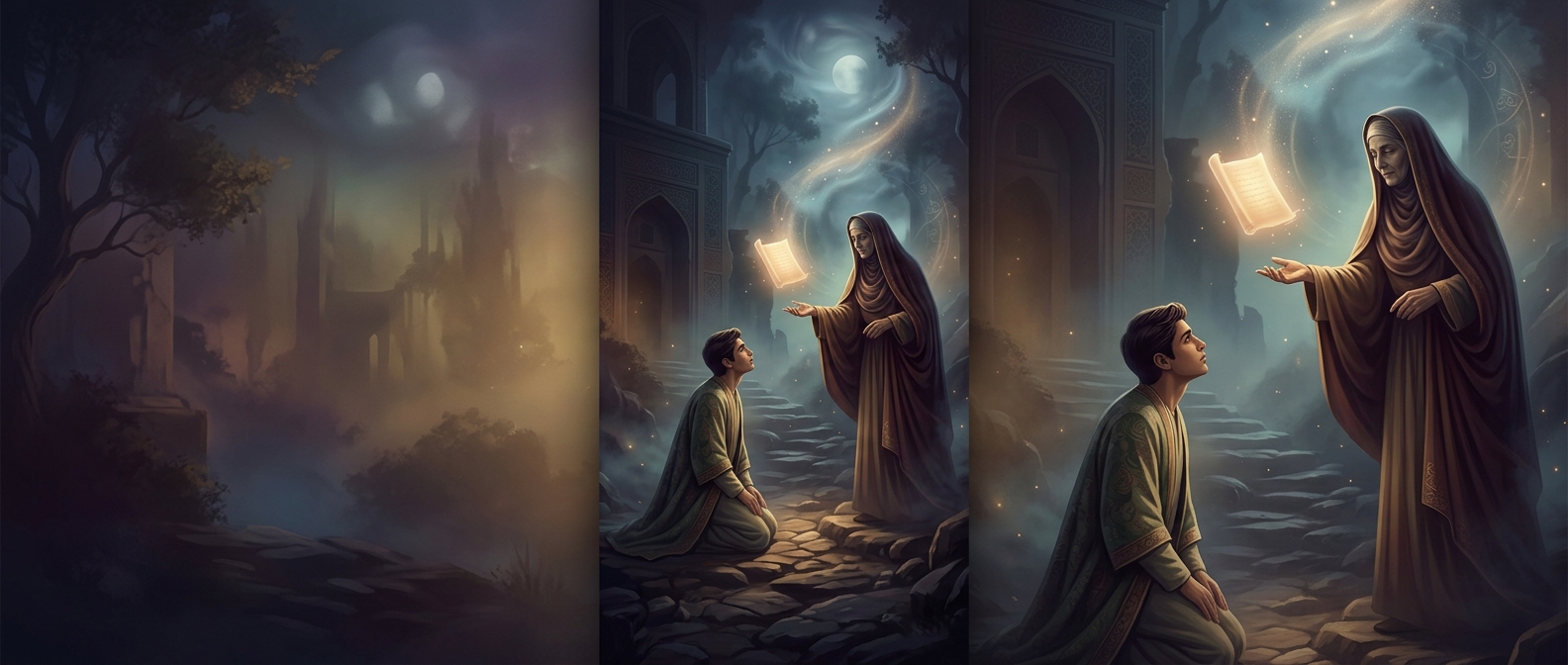
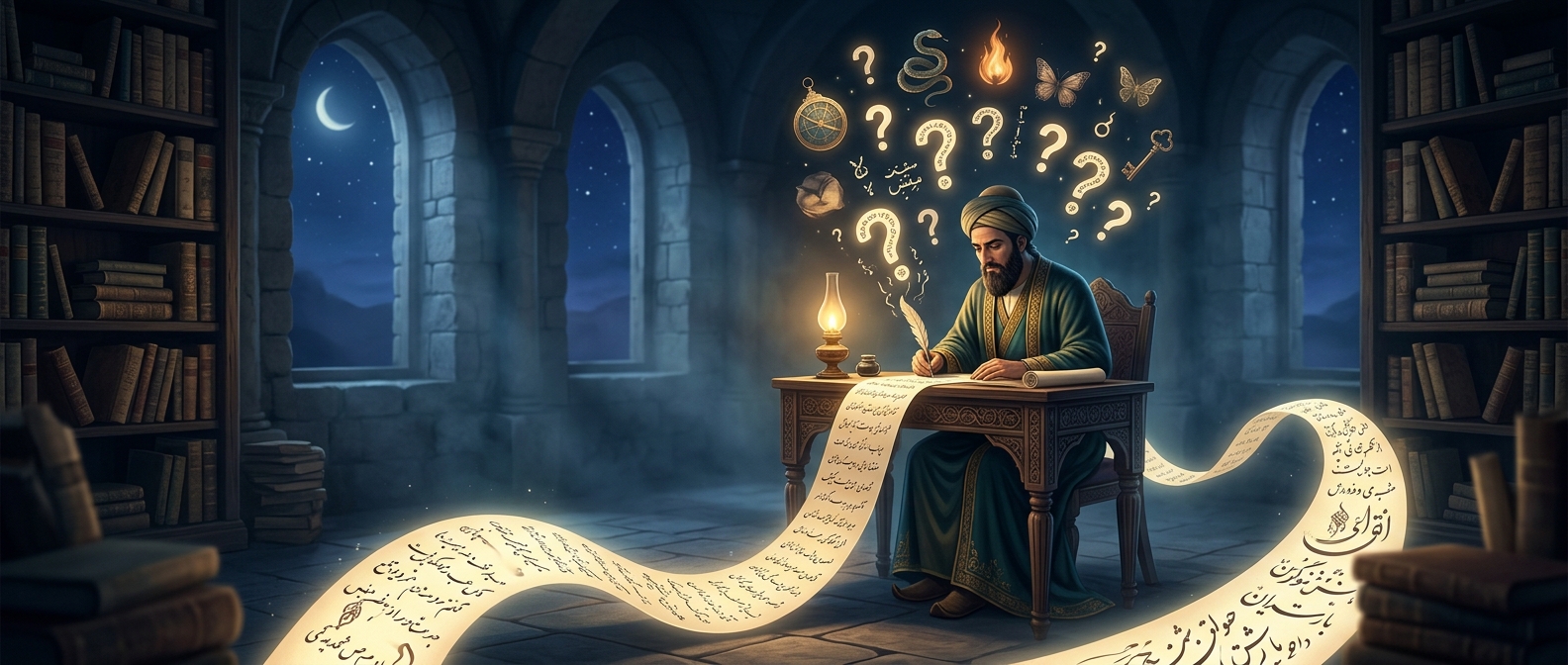
The Secret Rose Garden—also known as the Gulshan-i Raz—grew out of a practical exchange: Mahmud Shabistari was sent fifteen philosophical questions and answered them in verse. Rather than reply with a short list of definitions, he made the questions the framework for a sustained exploration of how a person might understand reality, the self, and the universe.
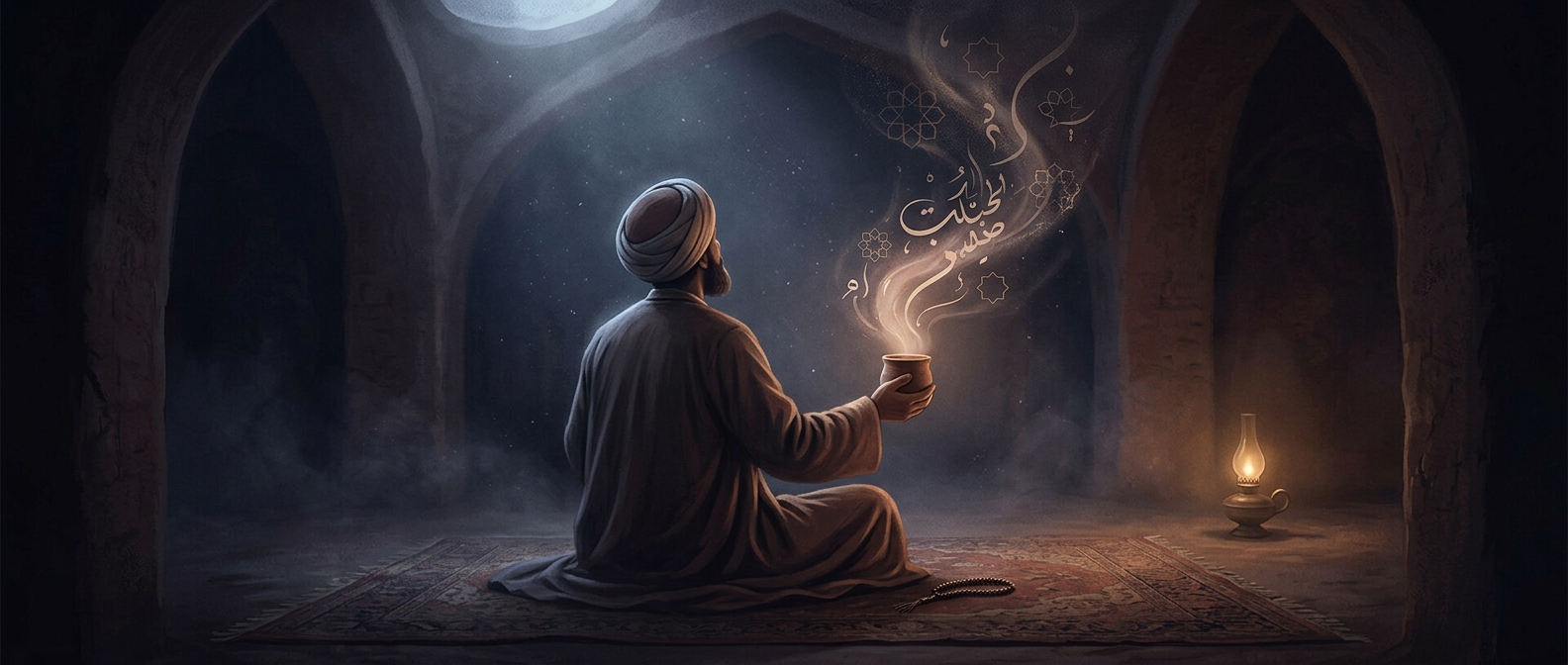
That choice suited the subject. In Sufi writing, abstract ideas are often approached through images: a garden, a mirror, a journey, or a veil. Such images do more than decorate an argument. They give readers a way to think about experiences that, in the mystical tradition, cannot be reduced to ordinary, literal description.
Why answer in poetry?
A poem could connect questions that might otherwise seem separate. Shabistari could move from the meaning of spiritual terms to the relationship between the individual and the greater reality, showing how one idea shaped the next. Its compact, patterned form also made the discussion easier to remember and revisit than a plain prose explanation.
The result is not simply a record of one letter being answered. It is a guided introduction to a worldview in which the seeker’s task is to look past appearances and examine what the self and the world mean at a deeper level. The original questions supplied the structure; poetic imagery gave Shabistari room to explore their implications. That is why a brief correspondence could become a work read as a whole philosophical journey.