How a brief kiss became a production rule
The Production Code was Hollywood’s rulebook for what movies could show, and Joseph Breen led the office that enforced it. Studios needed the office’s approval to release films under the system, so its standards affected scripts and filming long before a movie reached theaters.
A kiss lasting more than a few seconds could be treated as an “excessive” or lustful display. The point was not simply to keep the image short: the Code sought to prevent romance from looking openly sexual. Its ban on “lustful embraces” reflected the same concern, while restrictions on words such as “nuts” extended censorship into dialogue.
What filmmakers did instead
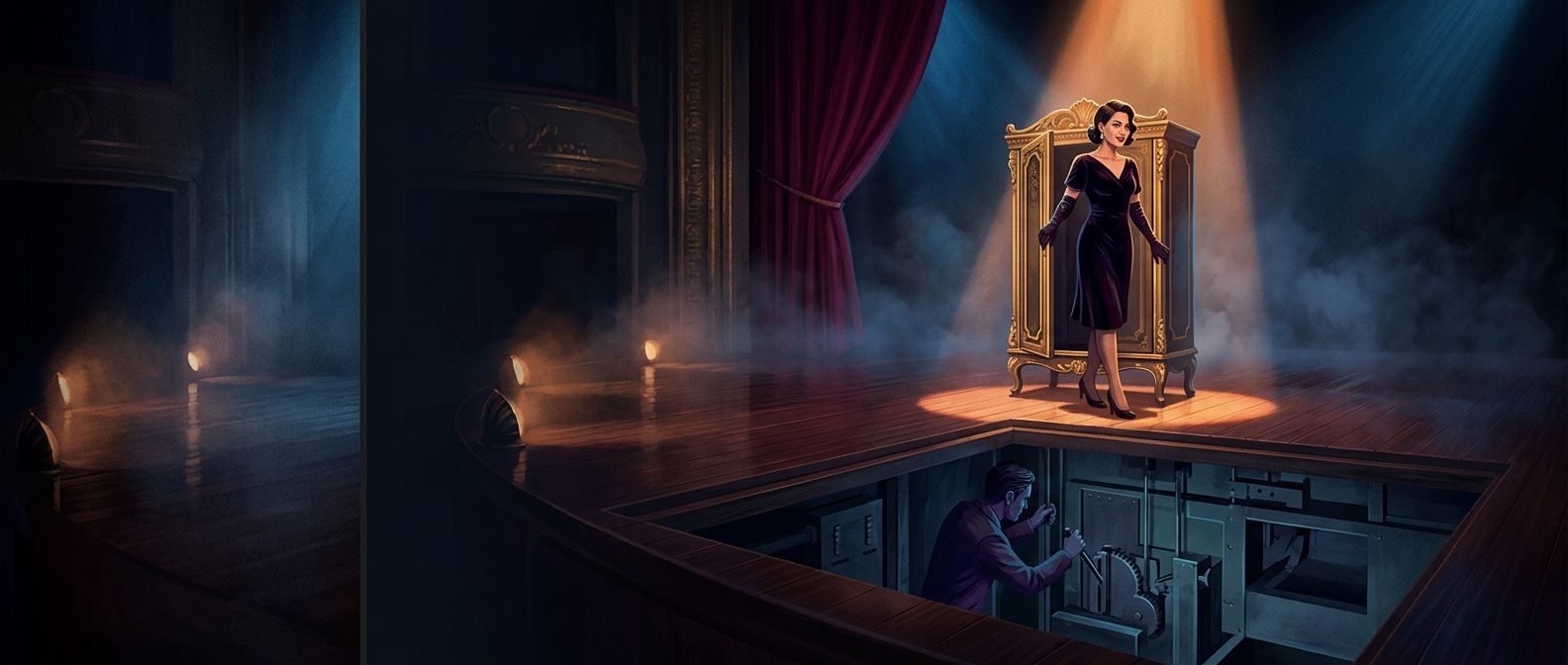
Directors and actors had to suggest desire without lingering on it. They could build anticipation through glances, a pause, or a close-up, then cut away—or let a doorway, a shadow, or the next scene imply what happened. The limits made the edit part of the performance: a kiss could be emotionally important precisely because the film hurried past it.
That constraint also shifted meaning onto what audiences were allowed to infer. Hollywood could shorten the kiss, but it could not prevent viewers from imagining the moment beyond the cut.