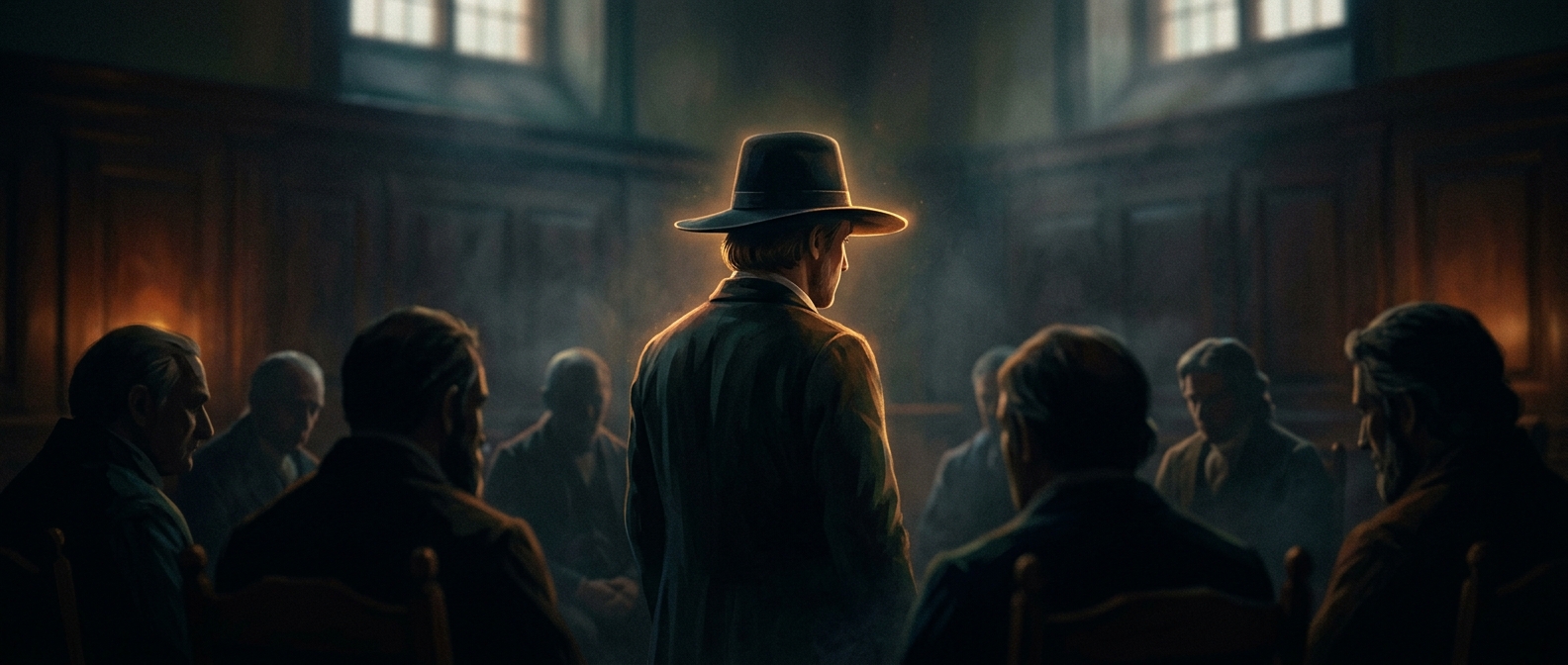
What “inner light” changes
In traditions that speak of an inner light, spiritual insight is not treated as something available only through a priest, teacher, or sacred institution. The phrase points to a person’s capacity to recognize truth inwardly—through conscience, contemplation, or direct spiritual experience. It does not necessarily mean that every private feeling is automatically correct; communities may still value discipline, shared teachings, and guidance from others.
The important shift is where spiritual authority begins. A cleric may explain doctrine or lead a ritual, but cannot claim to be the sole channel through which a person can encounter the sacred. That can make religious life less dependent on formal rank and place more responsibility on each person to examine their own conduct and convictions.
Freedom—and a new kind of responsibility
When believers can appeal to inward conviction, institutional leaders have less power to settle every disagreement by virtue of office alone. This can support simpler forms of worship and challenge rigid hierarchies. It can also make disagreements harder to resolve: if two people both trust their inner discernment, neither can settle the matter simply by pointing to a superior authority.
So the idea does not necessarily erase teachers or community. It changes their role: guidance may help people test and interpret experience, rather than stand between them and truth. The result is a distinctive balance—less reliance on spiritual intermediaries, but more responsibility for believers to discern what their inner conviction asks of them.