A monster that made violence a risk
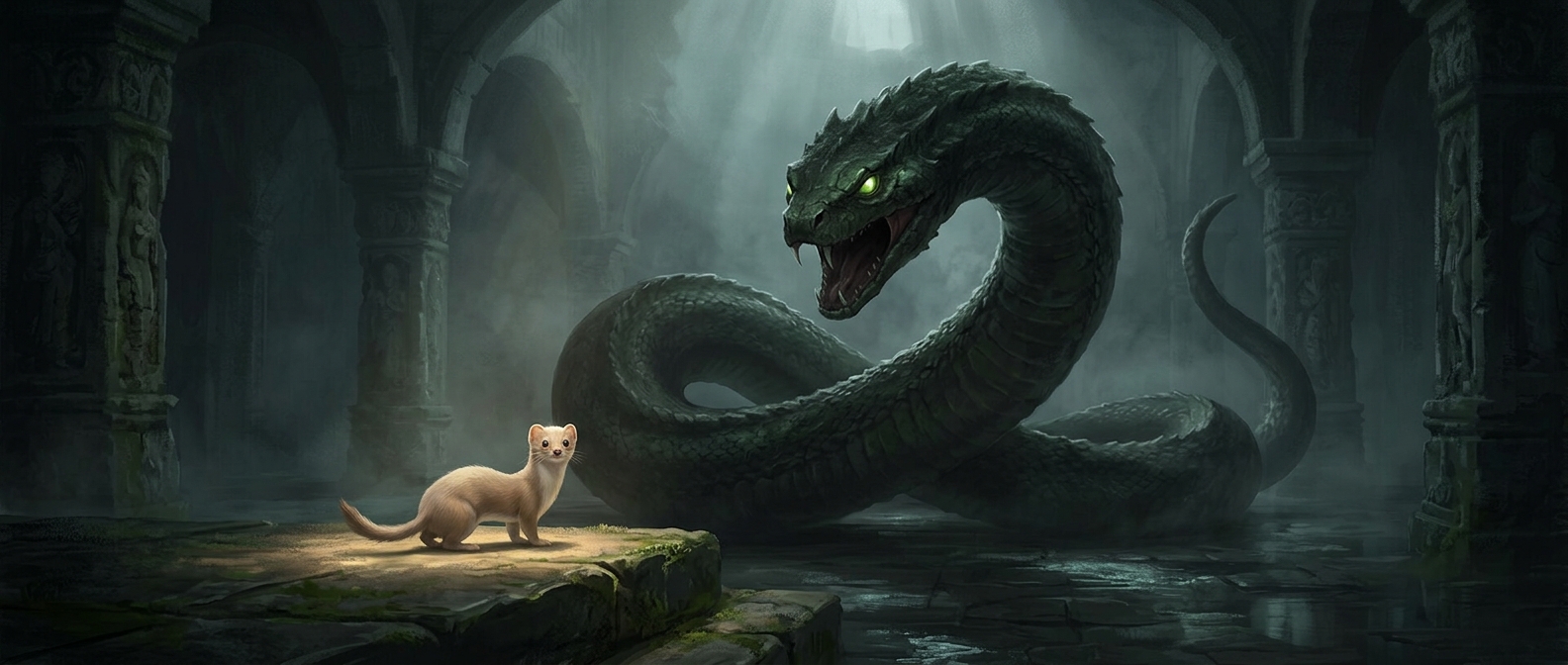
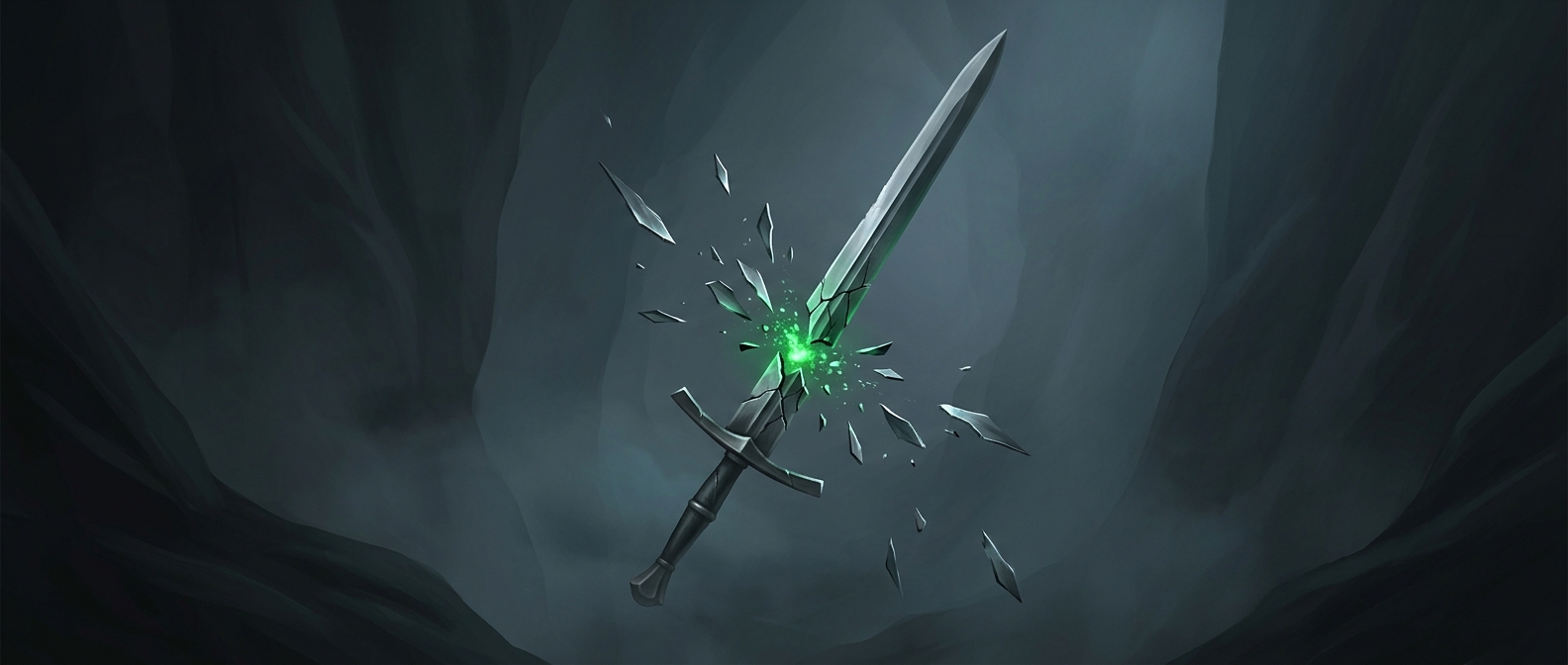
In European legend, the basilisk was not simply a dangerous animal. It was imagined as a creature whose lethal power could reach beyond its body: in some tellings, its blood or venom ruined the weapon used against it. That turned an ordinary act of self-defense into a trap. A fighter could not assume that a blade was a safe distance from the danger.
Basilisk stories varied across time and place, and the creature’s powers were never a consistent natural history. The sword-destroying detail belongs to that shifting body of lore, not to zoology. Its force comes from extending the basilisk’s threat into the tools people relied on to confront it.
When the weapon fails, the monster wins
The detail raises the stakes of an encounter without needing to describe a long fight. If a weapon cannot safely strike, the usual answer to a powerful beast—meet force with force—collapses. The imagined danger becomes hard to manage because even an attacker’s equipment may not remain dependable.
That is what makes the claim memorable: the basilisk does not merely threaten a person’s body. It makes the act of fighting back part of the peril.