The Weasel in the Basilisk’s Story
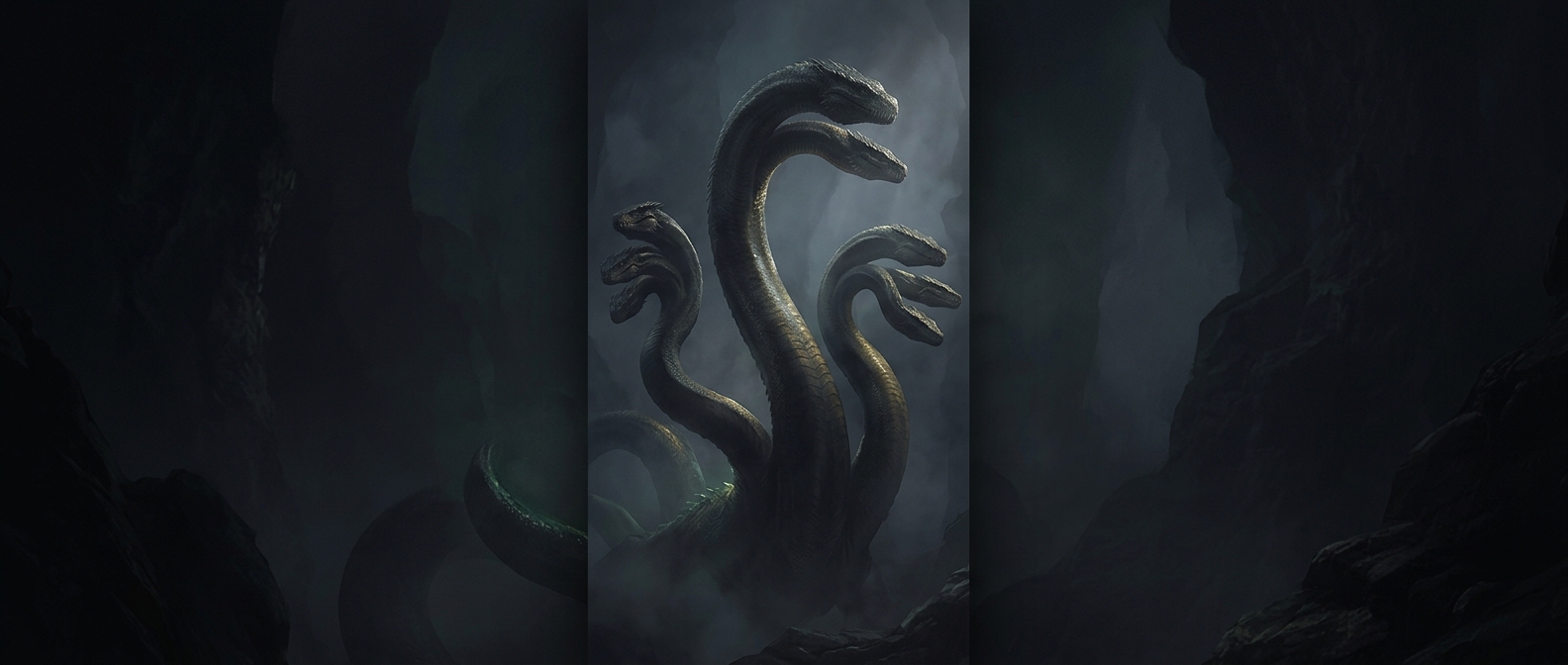
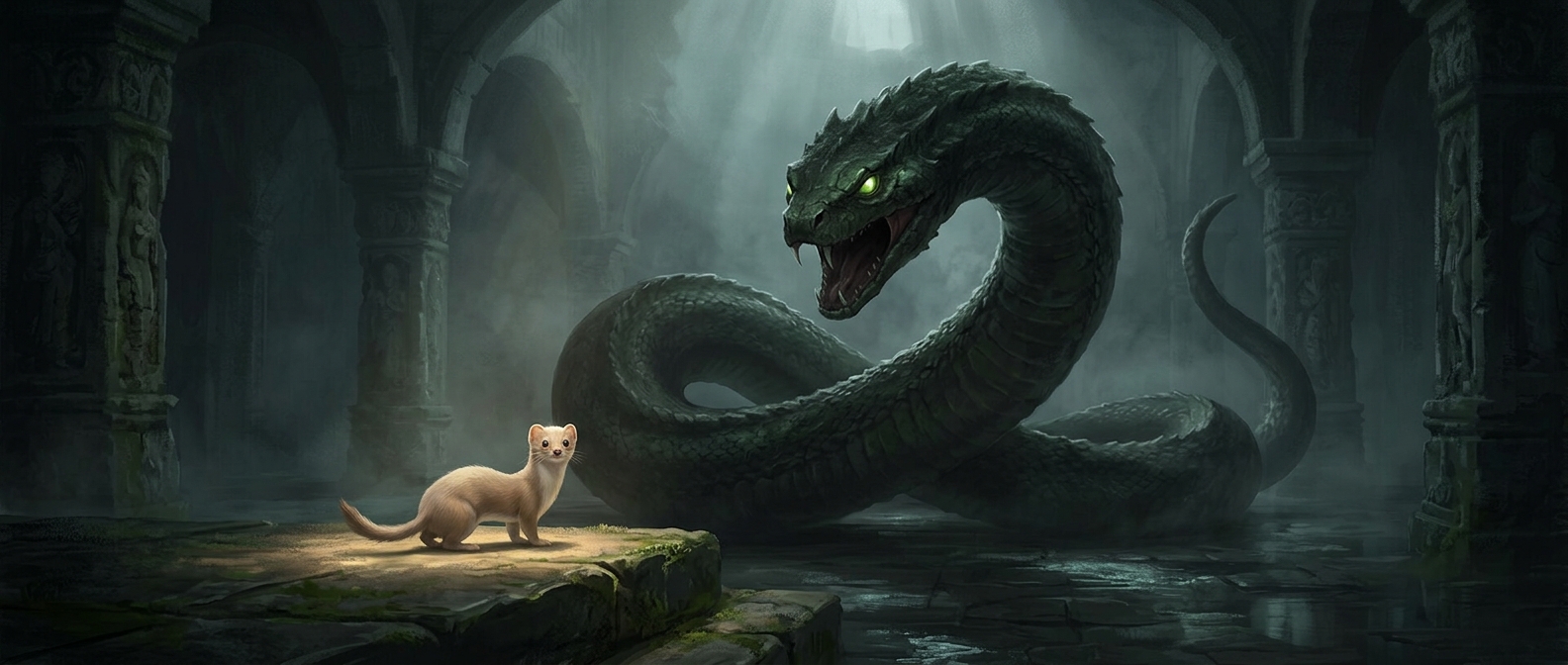
In Pliny the Elder’s account, the basilisk—a deadly serpent of ancient lore—had one creature it could not overcome: the weasel. The pairing gives the monster a curious vulnerability. For all its fearsome power, the basilisk was not portrayed as invincible; a familiar animal could be its undoing.
That detail belongs to a tradition of marvels, not zoology. Pliny’s natural-history writing gathered reports about the extraordinary alongside observations of the natural world, and later storytellers carried the basilisk into medieval lore. The weasel’s role helped make the creature’s legend more vivid by giving its danger a counterforce.
A Monster With a Weak Point
The story’s appeal lies in the reversal: the serpent that threatens other creatures meets an unlikely enemy. Naming a weasel also makes the basilisk’s peril easier to picture than an abstract weakness would. A small, recognizable animal becomes the answer to a legendary terror.
So the claim that basilisks are “terrified” of weasels is best understood as a memorable feature of the old story. It turns the basilisk from an unstoppable horror into a creature with a specific natural enemy—and gives the weasel an unexpectedly heroic place in the legend.