Why the Basilisk’s Gaze Was Feared
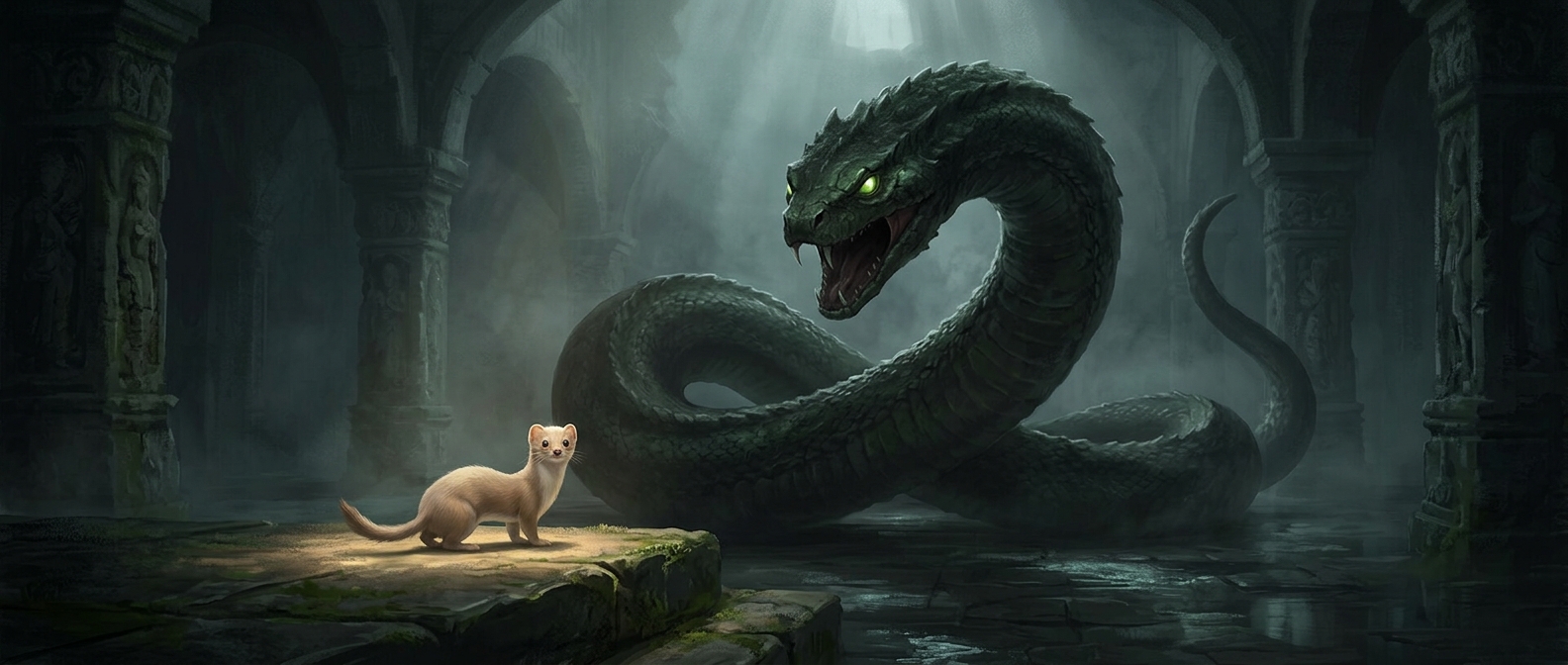
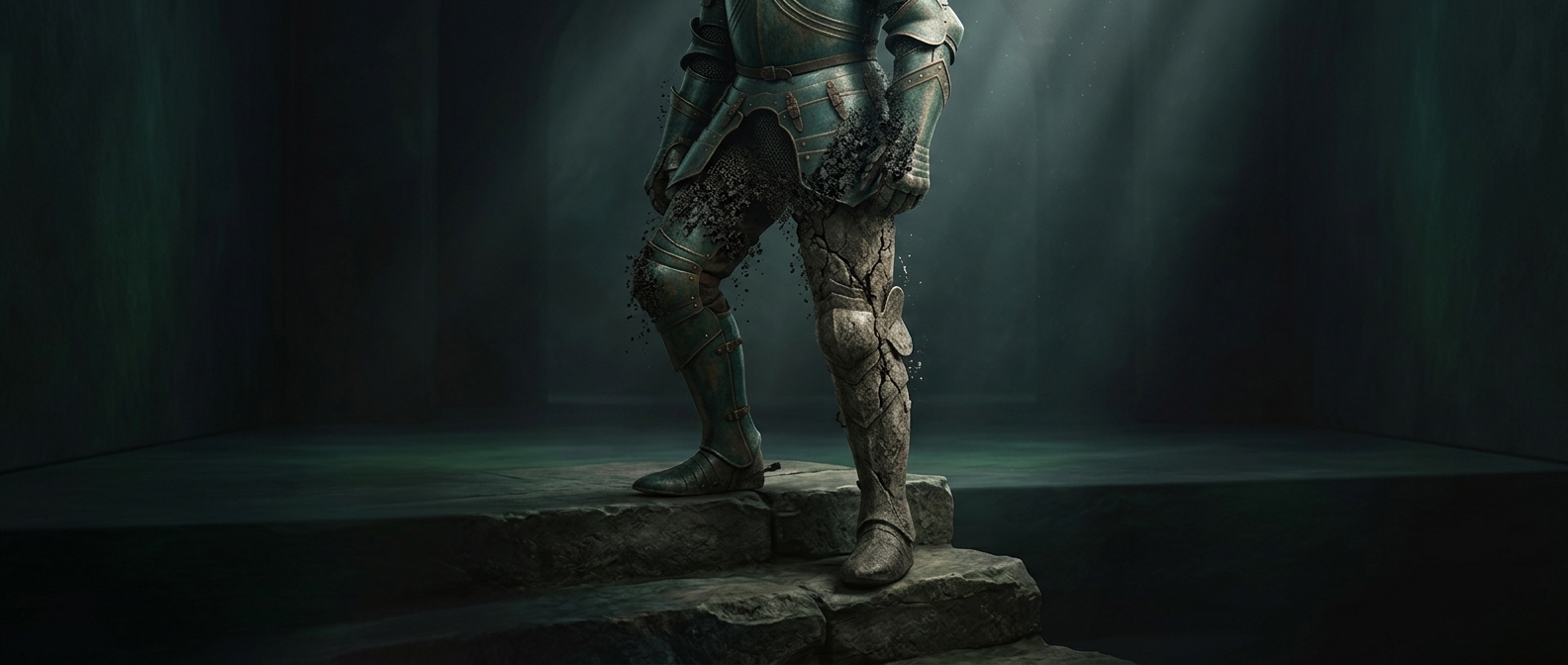
In European folklore, the basilisk was imagined as a creature whose power did not require a bite. Its stare could kill—or, in some versions of the tale, make a victim stiff as stone. That made looking at it itself dangerous: the usual way to judge a threat became the trap.
The name comes from the Greek basiliskos, meaning “little king.” Folklore often treated the creature as a ruler among serpents, with lethal powers extending beyond its gaze. These stories were not accounts of a real animal’s behavior; they gave an uncanny, invisible danger a memorable form.
A Monster That Turns Looking Into a Risk
The gaze worked as a kind of narrative weapon. A snake can be avoided by keeping away from its reach, but a monster that harms through sight makes distance feel uncertain. The legend turns an ordinary act—meeting someone’s eyes—into a test of nerve and caution.
Some versions of basilisk lore offered a way to fight back: a mirror could send the creature’s own deadly look back toward it. The detail follows the story’s own logic. If the gaze is the weapon, reflection can become a shield—and the monster can be undone by the danger it projects.