A hunger that grows instead of fading
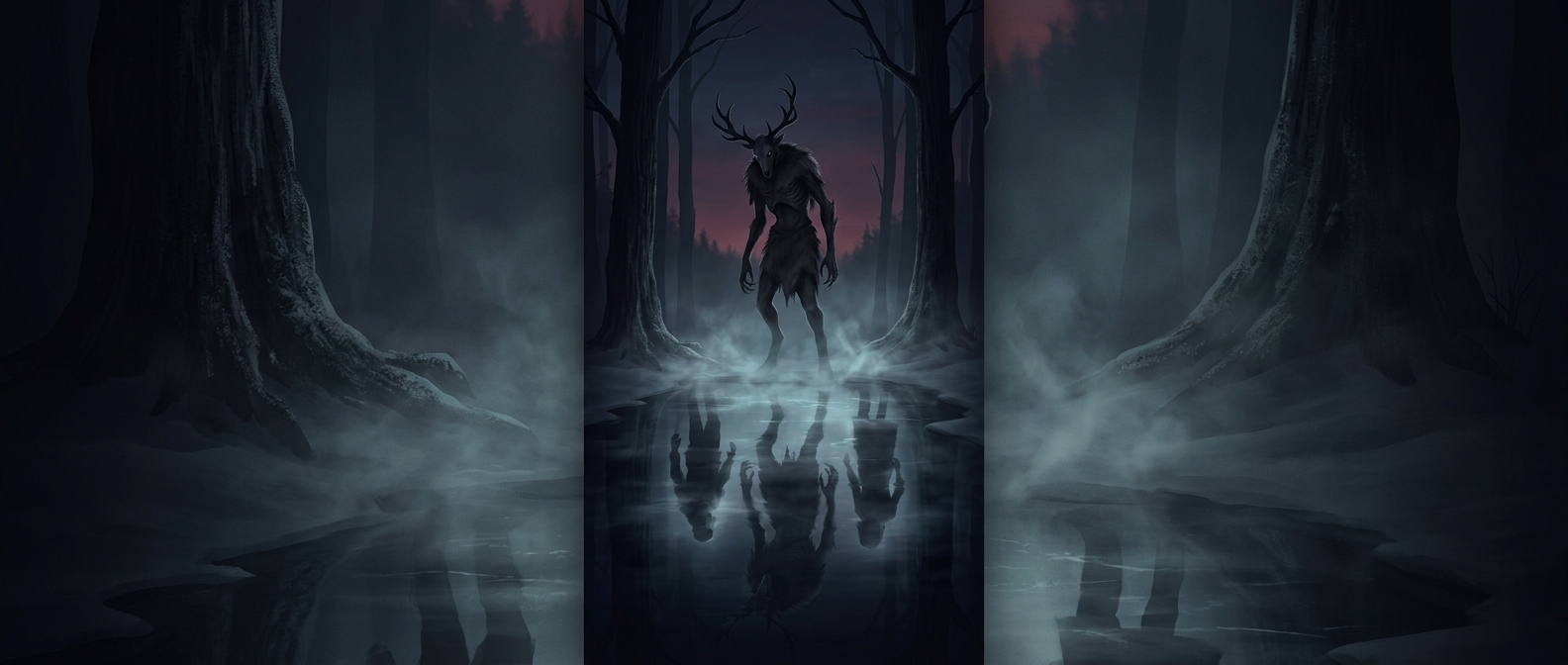
In some Indigenous traditions of the Great Lakes and neighboring regions, the wendigo is a frightening figure associated with winter, hunger, and the violation of a grave social taboo: eating human flesh. Stories vary among communities and tellers, but the image of a creature that grows with every victim captures a particular kind of terror. Its appetite is not a problem that can be solved by feeding it; feeding makes it worse.
The trap inside the legend
The wendigo’s enlarging body turns hunger into a visible paradox. Each act of consumption seems to promise relief, yet leaves the creature more enormous and no less desperate. The legend therefore makes greed feel like a force that feeds on its own success: taking more does not restore balance but deepens the need to take again.
That pattern also gives the story a human consequence. In a harsh winter, survival depends on limits, mutual care, and trust. A being that consumes others for itself represents the collapse of those obligations. The threat is not merely that the wendigo might attack; it is that desperate or selfish choices could strip a community of the ties that help people endure hardship.
Why the detail is memorable
The creature’s size should signal strength, but instead it measures the scale of its unending deprivation. That contradiction is the point: the more it takes, the less capable it becomes of being satisfied. The wendigo’s expanding body makes a moral warning impossible to miss—an appetite without limits can grow until it consumes the very world it depends on.