Why Pythias’s Thule sounded like another world
When the Greek explorer Pythias described traveling north around 325 BC, he brought back reports of a landscape that strained the limits of Mediterranean experience: summer daylight that lingered late, icy seas, and a substance like thick jelly that blocked passage. His account survives only through later writers, who quoted or criticized it, so the exact wording and route are uncertain. But the details point to a practical problem as well as a mysterious one: how could a traveler describe conditions so unfamiliar to readers who had never seen them?
The sea may have been the strangest part
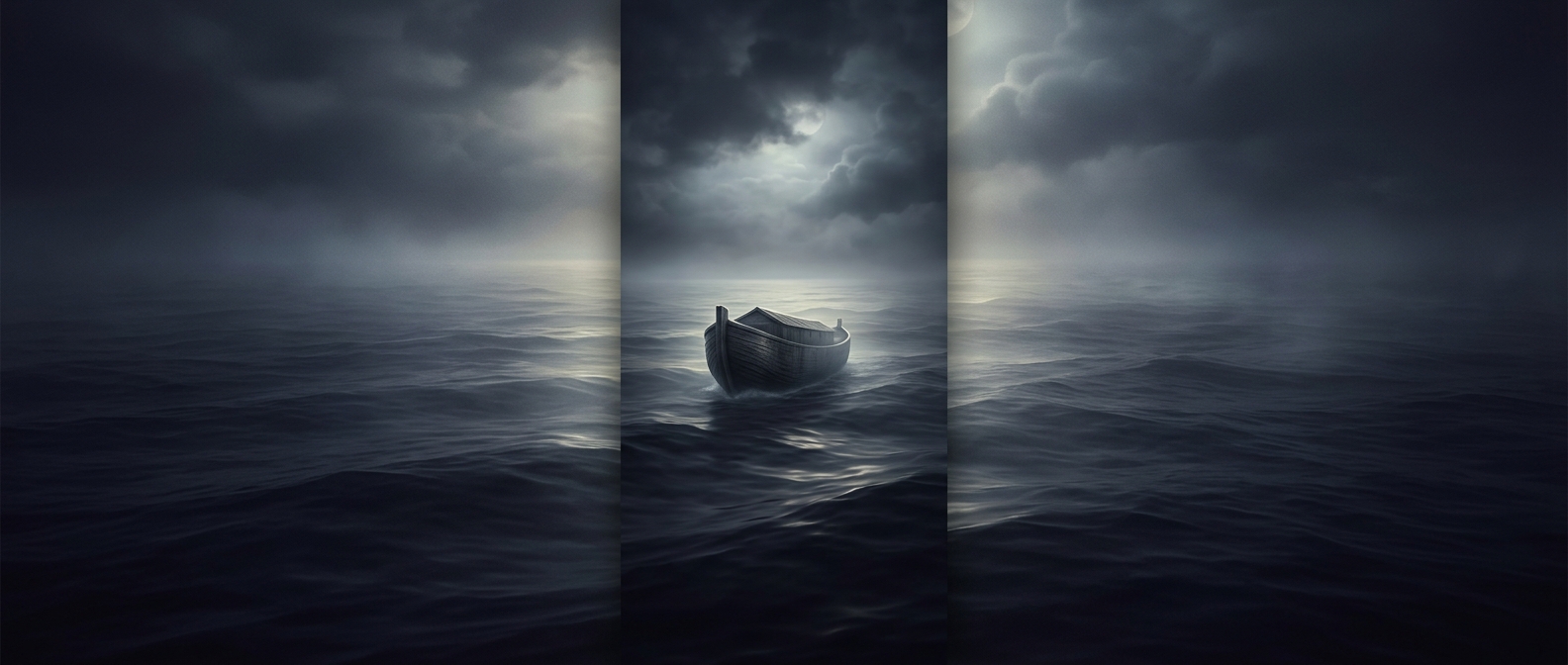
Pythias’s “jelly” is often understood as a description of a dense mixture of sea ice and slush near the edge of the Arctic. In such water, broken ice presses together with freezing spray and waves, making the surface appear neither fully liquid nor solid. A wooden ship could become trapped, while a person attempting to cross would face a shifting, unstable mass. To an observer accustomed to open Mediterranean water, it could seem like a new substance altogether.
That image also explains why the account became a point of dispute. Later ancient authors doubted Pythias, but a vivid report of an impassable sea could be mistaken for invention when its conditions were outside their experience.
Thule was a moving northern limit
Pythias’s Thule was not a securely identified island on a surviving map. It may have referred to a place in the far north, but the evidence does not establish exactly where he reached. The name later took on a life of its own as a label for the remote edge of the known world.
The lasting force of the story lies in its concrete contrasts: a sun that barely set, and a sea that was neither ordinary water nor solid ground. Those observations made the far north feel not merely distant, but governed by different rules of travel.