The Riddle at the City Gate
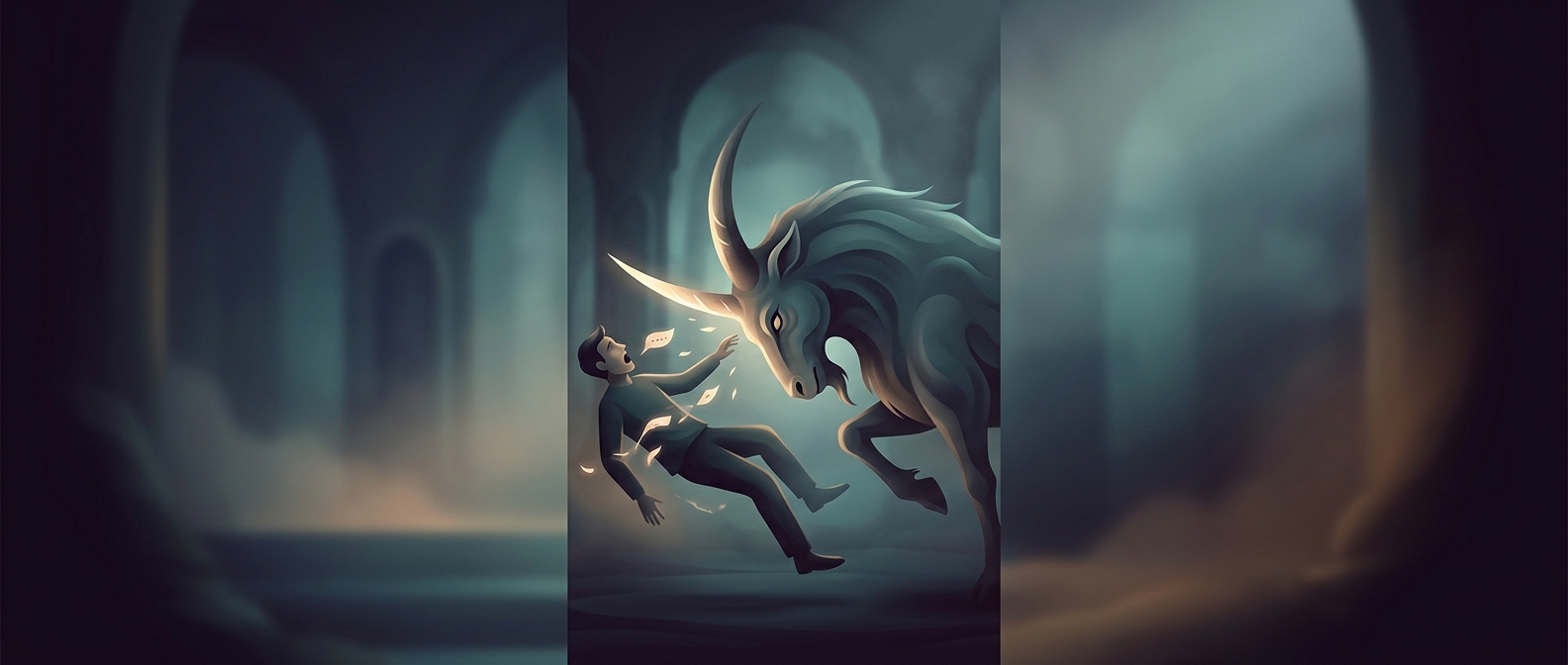
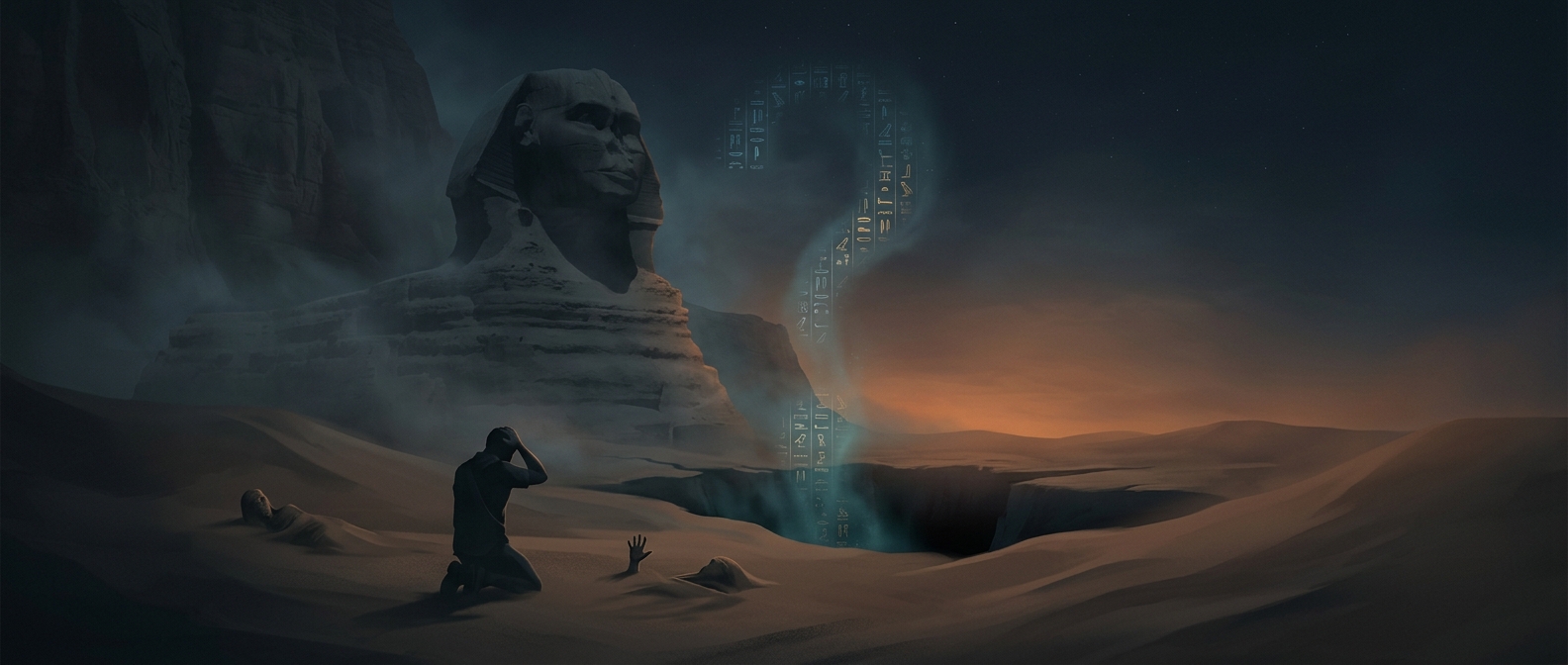
In Greek myth, the Sphinx is more than a monster with a puzzle: she is a living barrier between travelers and the city of Thebes. She sits near its approach and asks passersby a riddle. A wrong answer—or no answer—means death. The threat turns a test of intelligence into a matter of survival.
Why the Riddle Matters
The best-known version asks what walks on four legs in the morning, two at noon, and three in the evening. Oedipus answers: a human being, who crawls as a baby, walks upright as an adult, and uses a staff in old age. The Sphinx’s challenge compresses a whole human life into a few lines, making the solution depend on recognizing that the clues describe different stages of one person’s life.
The danger gives the riddle its force. Travelers cannot treat it as a playful diversion; each must interpret the words under pressure, with no second chance. In the story, Oedipus’s correct answer breaks the Sphinx’s hold over the route and ends the threat to Thebes. Solving the puzzle is therefore also an act of release: reason opens a passage that fear had closed.