The Nephilim in the Flood Story
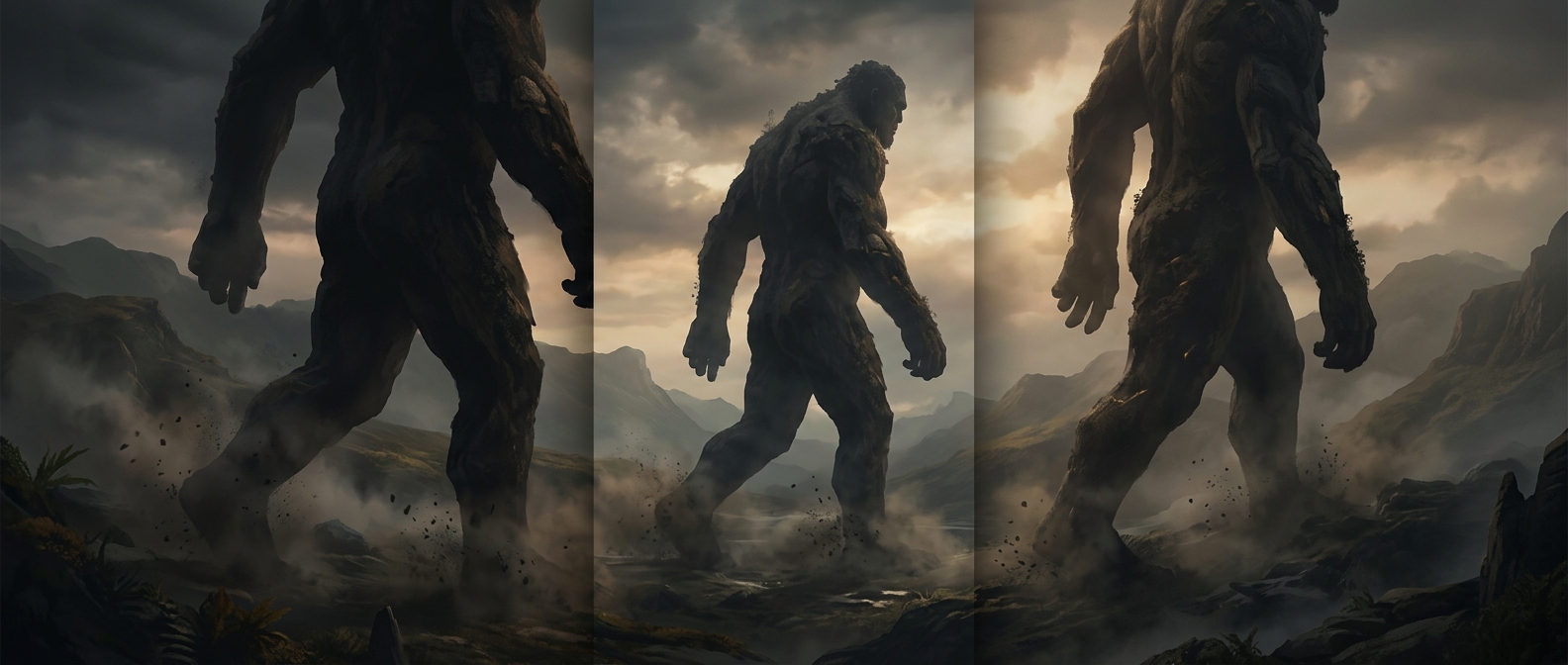
The Nephilim appear briefly in Genesis, in a difficult passage just before the account of Noah’s flood. The text calls them “mighty men” of ancient times, but does not give a detailed description of their size, appearance, or way of life. Later readers supplied those details, and some traditions imagined them as literal giants.
The flood can then function as a narrative boundary: a catastrophe that sweeps away the world before Noah and its extraordinary beings. But Genesis does not tell a scene in which giants are killed, nor does it describe their remains. The idea that the flood erased them is an interpretation built around the story’s broad destruction, not a specific episode in the text.
Why the Story Leaves Room for Different Readings
The Nephilim are mentioned again in Numbers, where Israelite scouts report seeing them in Canaan. That later reference has prompted different explanations: some readers treat the figures as survivors or descendants, while others see the scouts’ report as fearful exaggeration. The texts do not settle the question.
That uncertainty is part of the tradition’s appeal. “Giants” can stand for a lost, powerful age, while the flood marks a break between that imagined past and the human world that follows. Within the story, their disappearance needs no bones or battlefield—only the sense that an entire old world has been washed away.