A nightmare could become food for the Baku
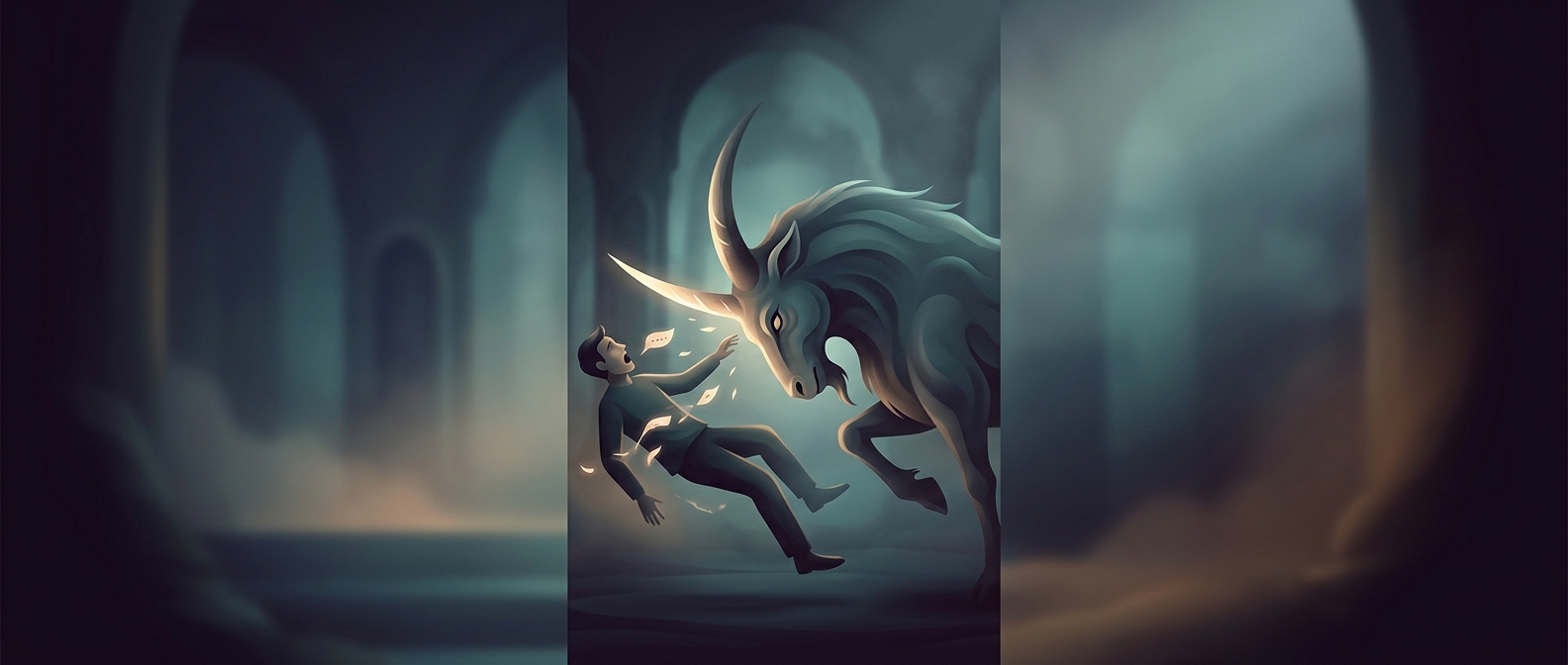
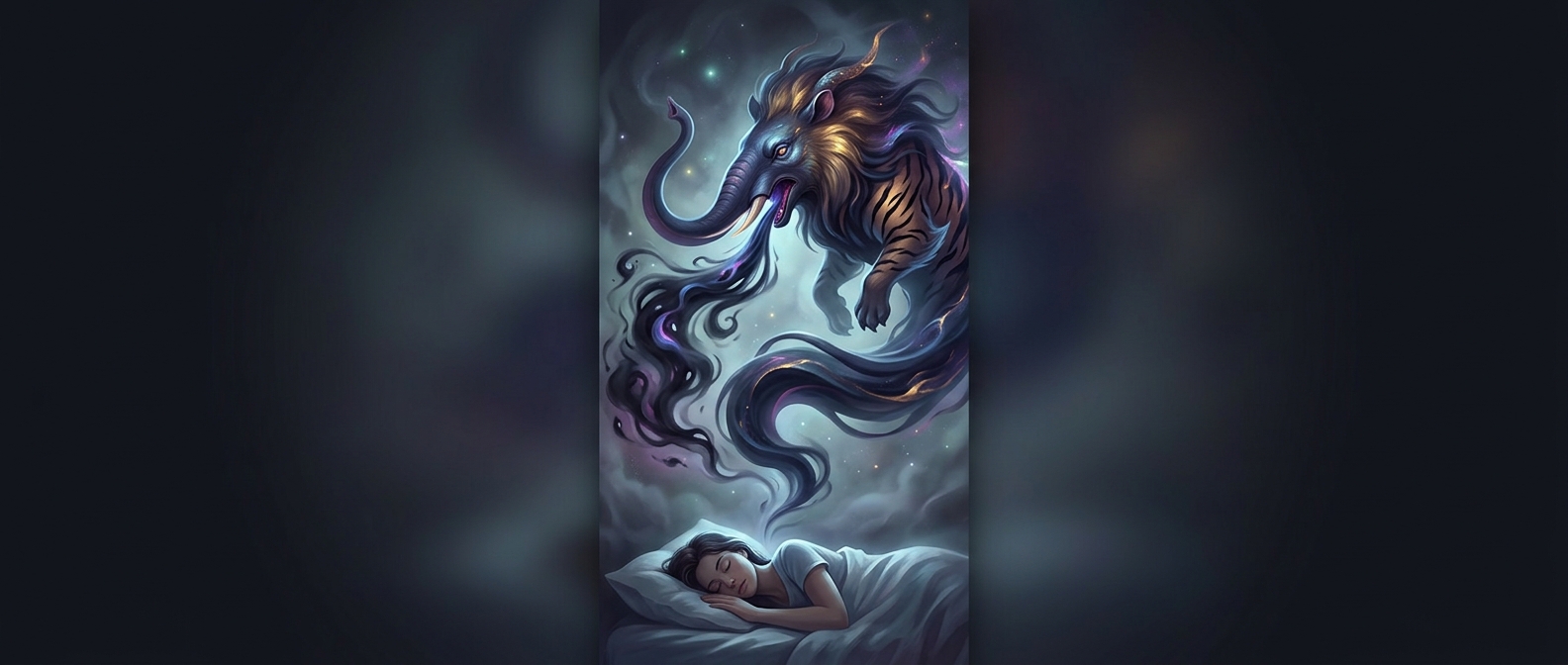
In Japanese folklore, the Baku is less a monster to flee than a creature a sleeper might call upon for help. After waking from a frightening dream, a person could invoke the Baku and ask it to eat the dream. The image makes a disturbing experience feel manageable: instead of letting a nightmare linger as a threat, the dreamer gives it a destination—and gives a powerful being the job of removing it.
That idea reflects an older way of treating dreams as more than private stories produced by the mind. A bad dream could be regarded as an ill omen or an unwanted influence, so disposing of it symbolically offered reassurance. The Baku’s appetite turns protection into a vivid transaction: the dream is swallowed, and the sleeper can return to bed.
A protector with an unsettling edge
Baku images are often described as chimeras—creatures made from features associated with different animals. That hybrid appearance suits a being that sits between ordinary life and the supernatural. But the same power that makes the Baku a guardian also gives the story a cautionary edge: in some versions of the tradition, asking it to consume a dream too freely could risk having it take more than the nightmare.
The custom’s memorable detail is its practicality. A frightening dream does not have to be solved or understood; it can be handed over to something built to consume it. That turns a night of fear into a small ritual of control.