Why a unicorn’s approach became a test of virtue
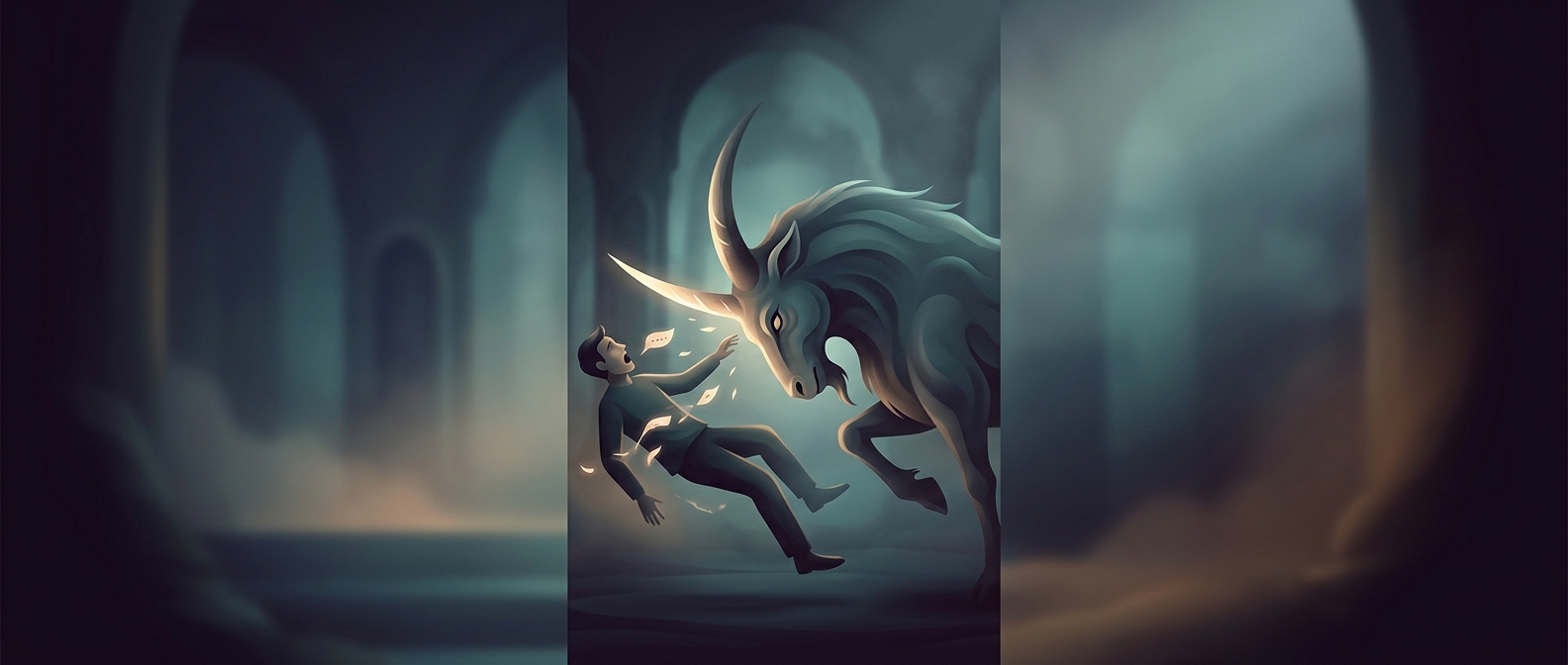
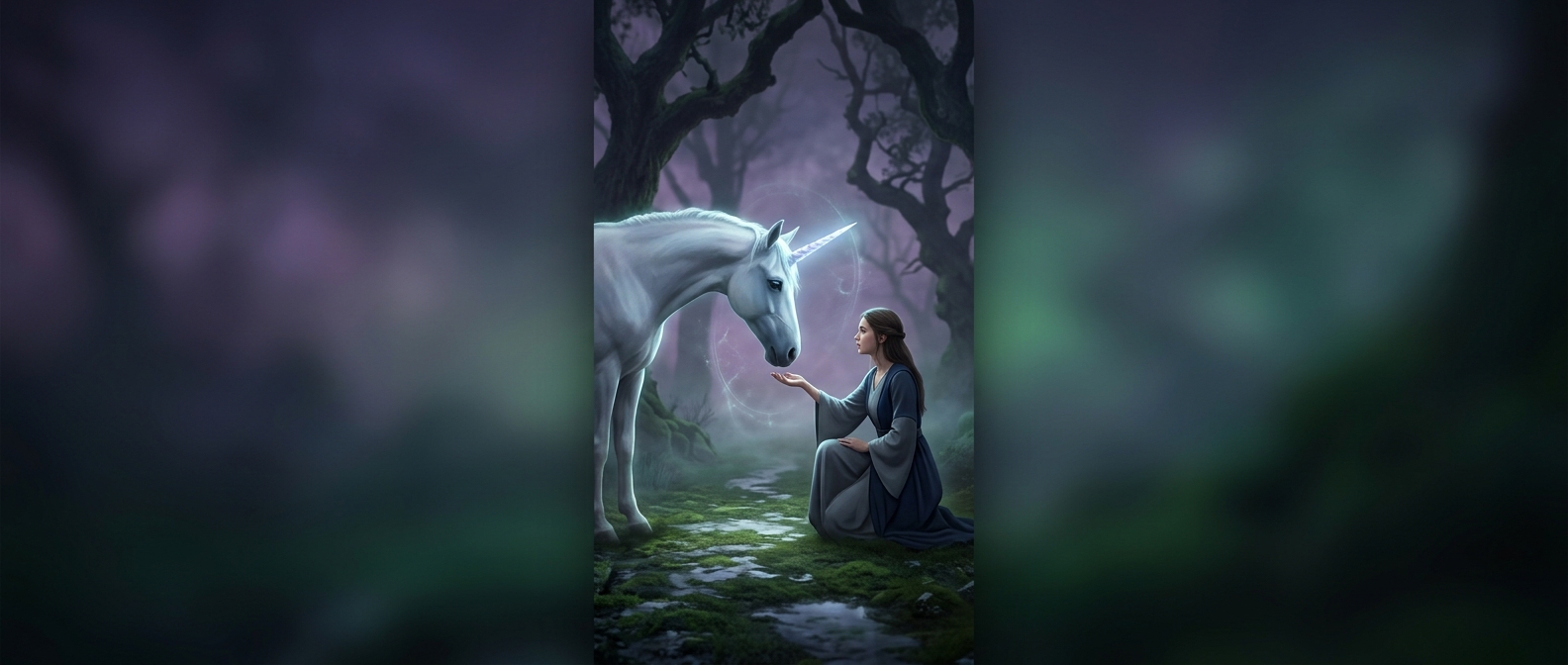
In many medieval European stories, a unicorn was not simply a rare animal waiting to be found. It was imagined as so wild that ordinary strength could not bring it close. A maiden’s presence could calm it: the creature would approach and rest beside her, allowing hunters to seize it. The encounter made the unicorn’s behavior a visible sign of her chastity and moral purity.
That idea turned a meeting with the beast into more than a magical reward. The maiden’s supposed virtue was treated as the force that made the impossible encounter happen. In a world where religious and moral stories often used animals as symbols, the unicorn could stand for purity, while its response to a woman served as a test of character.
A symbol with a cost
The story also contains a contradiction. The unicorn appears to choose the maiden, but her stillness and innocence make it possible for hunters to capture the animal. In art and storytelling, the scene could therefore suggest both the power of virtue and the vulnerability attached to it. The maiden is central to the encounter, yet the hunters benefit from the trust she inspires.
These tales varied, and they belong to legend rather than evidence about a real animal. Their lasting image is unusually precise: the unicorn’s approach was imagined not as a matter of skill or force, but as a judgment on the person it came near.