The console is the entry point, not the whole business
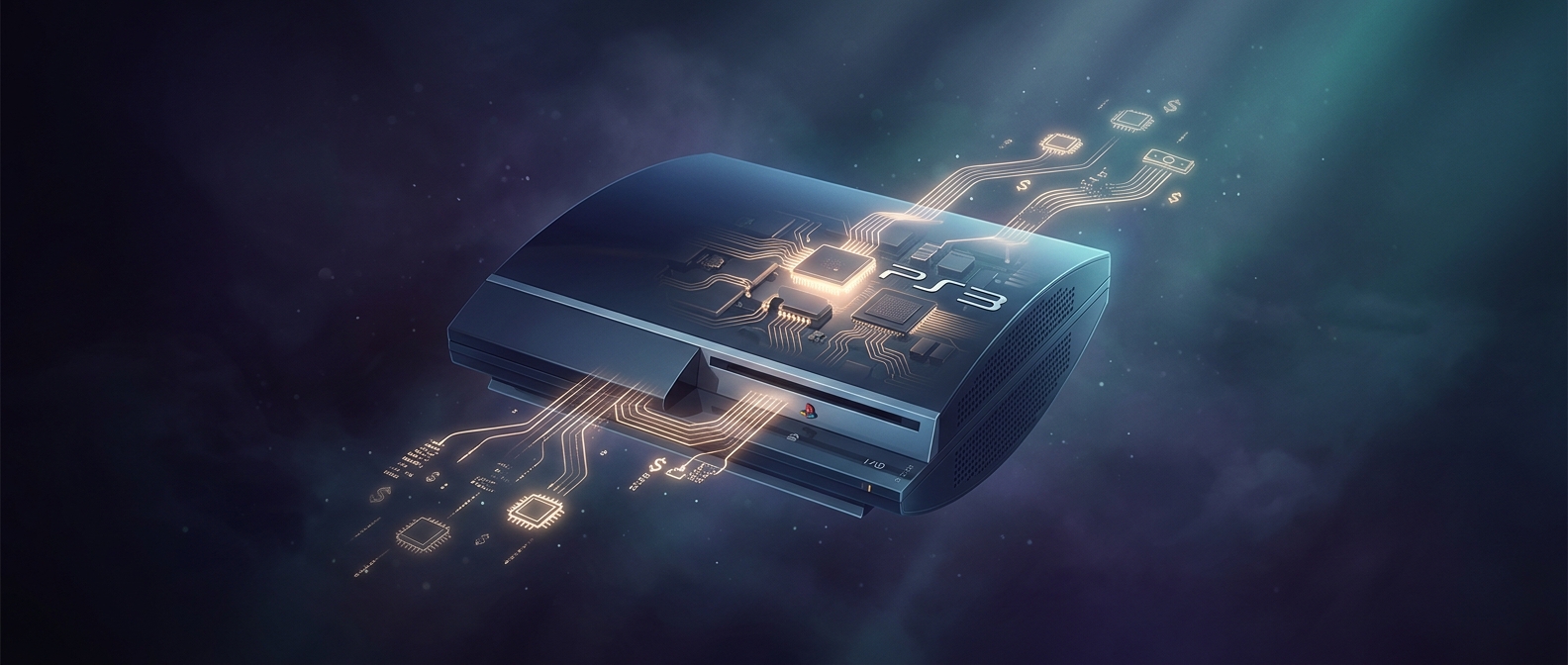
A game console is valuable to Sony partly because it puts a customer inside a store Sony controls. Once a player buys the hardware, the platform can earn money from later digital purchases: games, add-ons, and virtual items sold through the PlayStation Store. On many digital game sales, the platform’s share is commonly described as 30 percent.
That turns a one-time hardware sale into a chance to earn revenue repeatedly. A console sold at a loss can still make business sense if the store activity it helps generate eventually covers that upfront shortfall. The strategy depends on scale: Sony needs enough players buying enough digital content over time.
Why developers accept the cut
The store gives game makers access to PlayStation owners and handles the digital storefront and delivery. In exchange, Sony takes a portion of sales made through its platform. Developers give up some revenue per transaction, but they gain a route to customers who are already using the console.
For Sony, the same arrangement creates an incentive to build a large, active player base. More players make the platform more attractive to developers; more available games and add-ons, in turn, give players reasons to keep using it. The console helps start that cycle, while ongoing purchases can sustain it.
The payoff comes after setup
This is why the economics of a console cannot be judged only by its price at checkout. Sony’s longer-term return can include a share of purchases made after the hardware is in the home. For the player, the practical consequence is that buying the console is the beginning of the commercial relationship—not necessarily the largest source of revenue it creates.