How Life Is Strange Made Quiet Songs Part of the Story
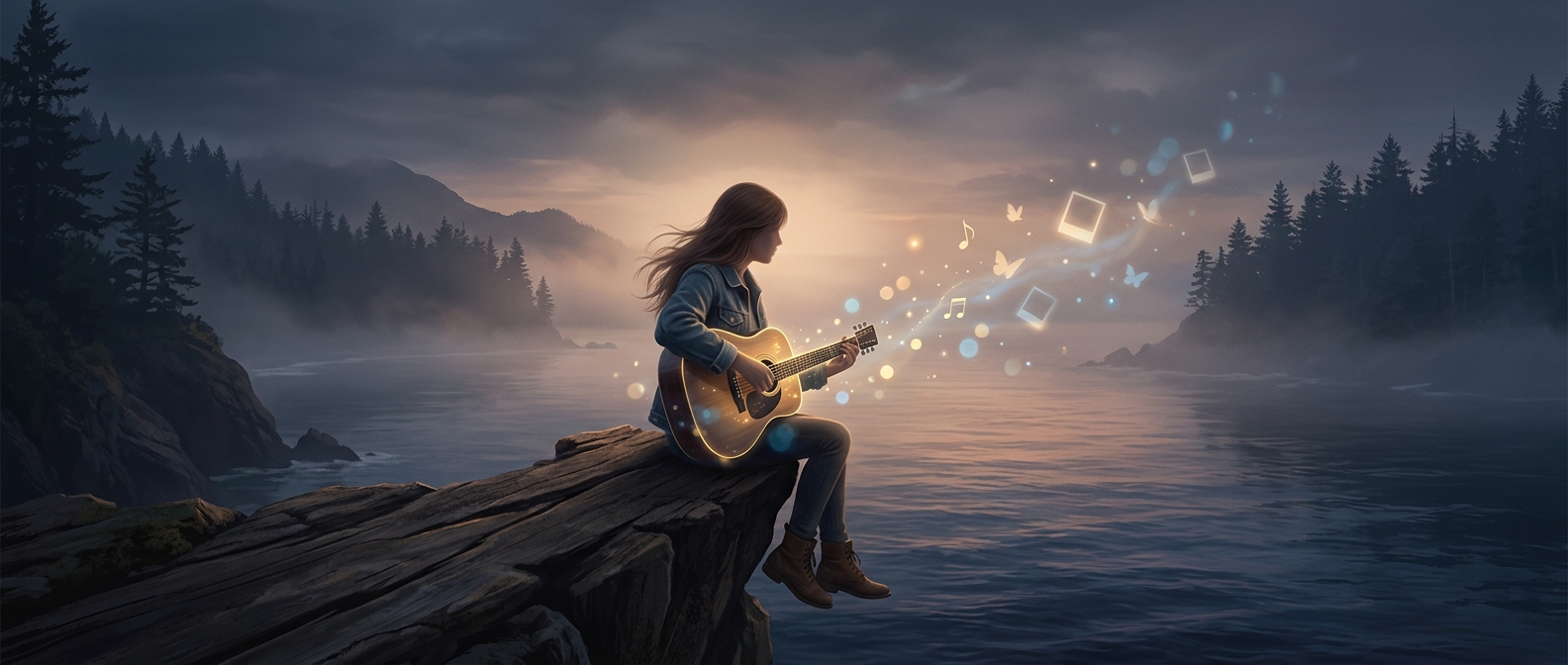
Life Is Strange used licensed acoustic and indie-folk tracks not just as background, but as part of the game’s emotional pacing. A song could carry a scene while the player explored a room, watched characters sit together, or absorbed the aftermath of a choice. With no urgent action competing for attention, the music had room to register—and to become tied to what the player was seeing and feeling.
A Song Became a Memory of a Scene
That connection works because games let players spend time inside a moment. In a film, a scene moves on at a fixed pace; in Life Is Strange, players often control when they look around or move forward. A restrained guitar arrangement can make that pause feel intimate, while a lyric or melody can linger alongside the player’s own interpretation of events.
The songs therefore gained meaning through placement. Players might remember a track not only as a piece of music, but as the sound of a particular character, setting, or turning point. That association gave relatively understated recordings a prominent role in the experience without making them feel like a conventional radio soundtrack.
From Game Discovery to Independent Artists
The game also put these tracks in front of listeners who might not have encountered the artists otherwise. Players could seek out a song after hearing it in a memorable scene, then carry that discovery beyond the game through playlists and soundtrack releases. The result was a useful fit between the story’s intimate scale and the music’s independent, acoustic character: the songs helped define the game’s mood, while the game gave them a vivid narrative context.