Why a Small Lie Can Feel Like a Better Story
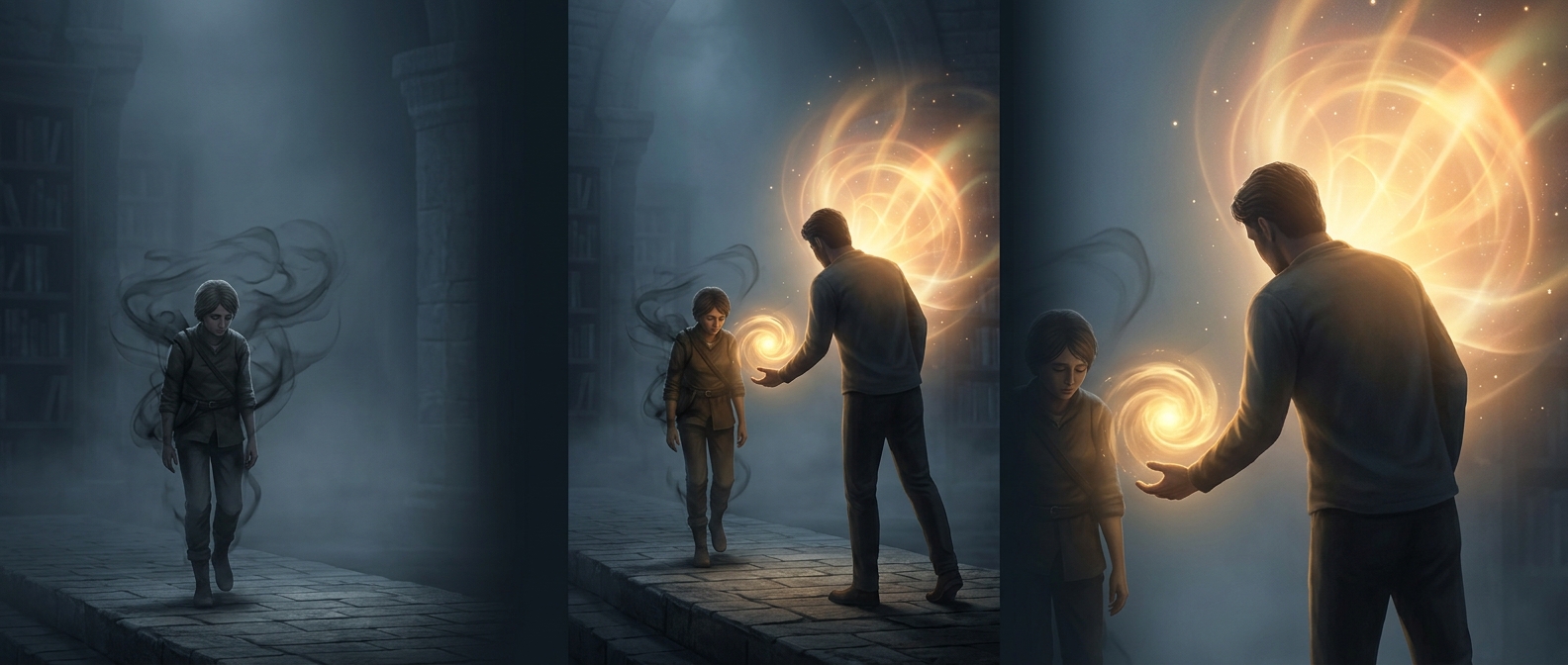
An ordinary moment can seem too thin to hold an audience’s attention. Add a dramatic coincidence, a sharper punchline, or a claim of unusual skill, and the story suddenly has a point. The embellishment is not only about what happened; it also gives the teller a chance to appear bolder, funnier, or more worldly.
That makes the payoff social as well as narrative. A laugh, a surprised look, or a follow-up question can reward the added detail. The teller may read that response as evidence that the performance worked, making the more colorful version easier to reach for next time.
How Embellishment Becomes a Habit
The process can build gradually. A person may begin by stretching one detail, then repeat the polished version because it gets a better reaction than the plain one. With repetition, the embellished account can start to feel familiar and easy to tell—even if the teller still knows it is not quite true.
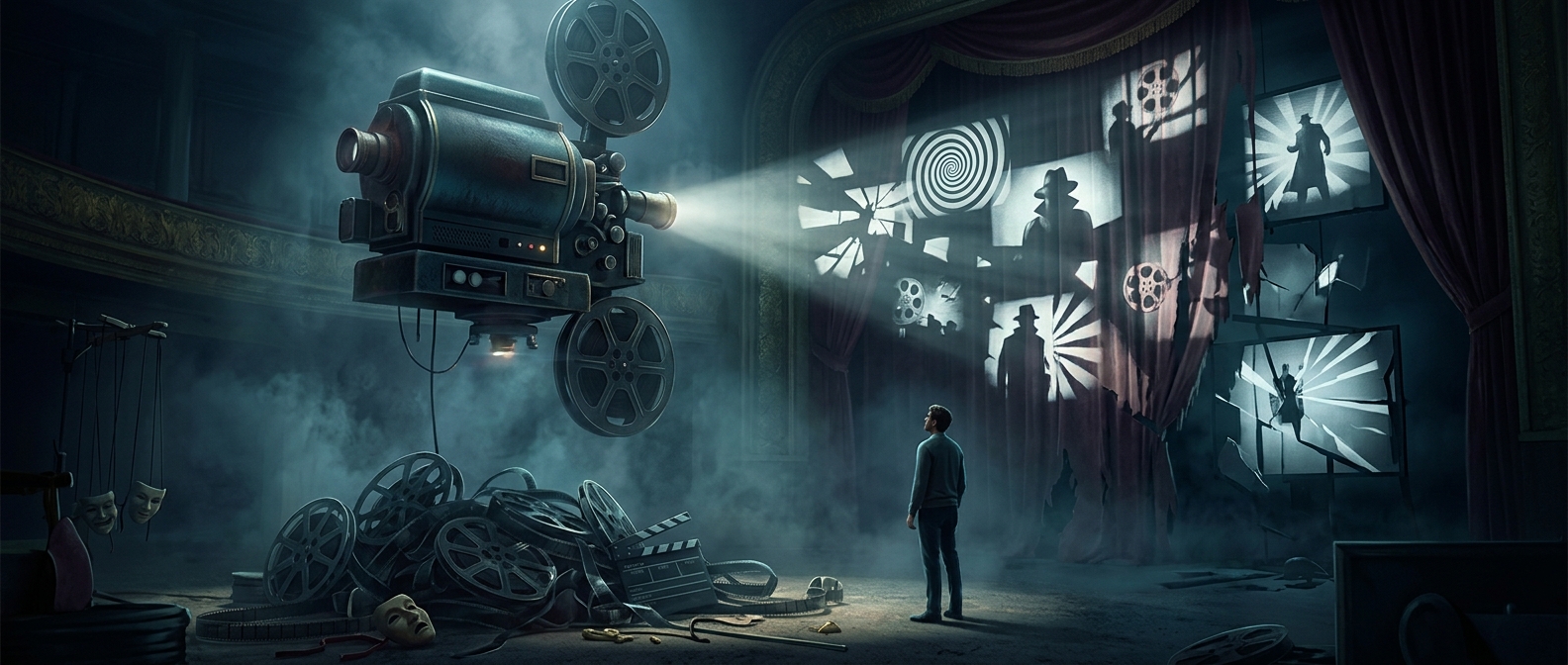
Each retelling also creates pressure to maintain the story. New listeners may have heard an earlier version, or ask questions that the original event cannot answer. The teller then has to remember what was added and keep the details consistent, or risk being caught. What began as a bid for attention can become work.
The Audience Becomes Part of the Feedback Loop
Listeners cannot always tell which details are genuine, especially when the story is plausible and the teller is confident. Their reactions still matter: attention can reinforce the performance, while skepticism or indifference may discourage it. But the response that makes a story entertaining in the moment can also make trust harder to rebuild later.
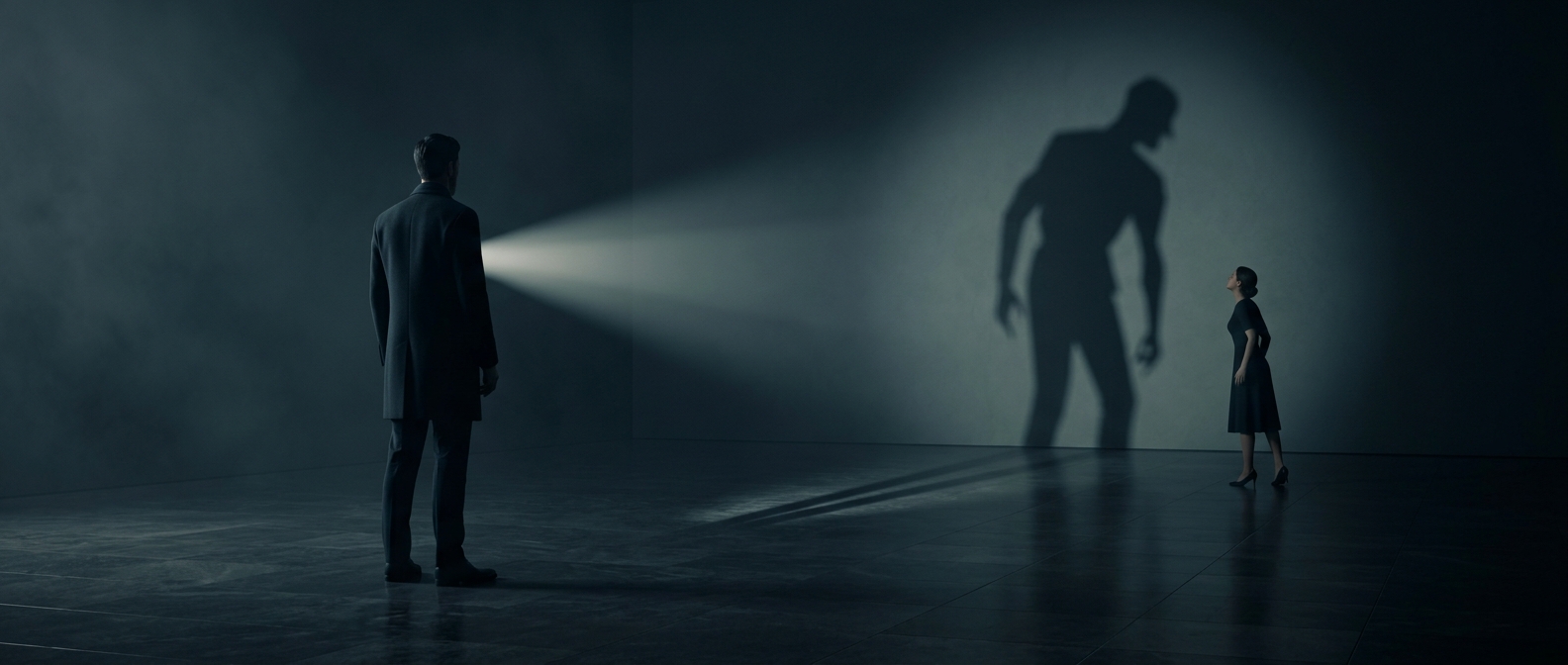
The revealing tradeoff is that the teller may win a few extra seconds of fascination while making future stories less believable. Once people suspect the sparkle is manufactured, even a true story can lose some of its force.