A double bass became Godzilla’s voice
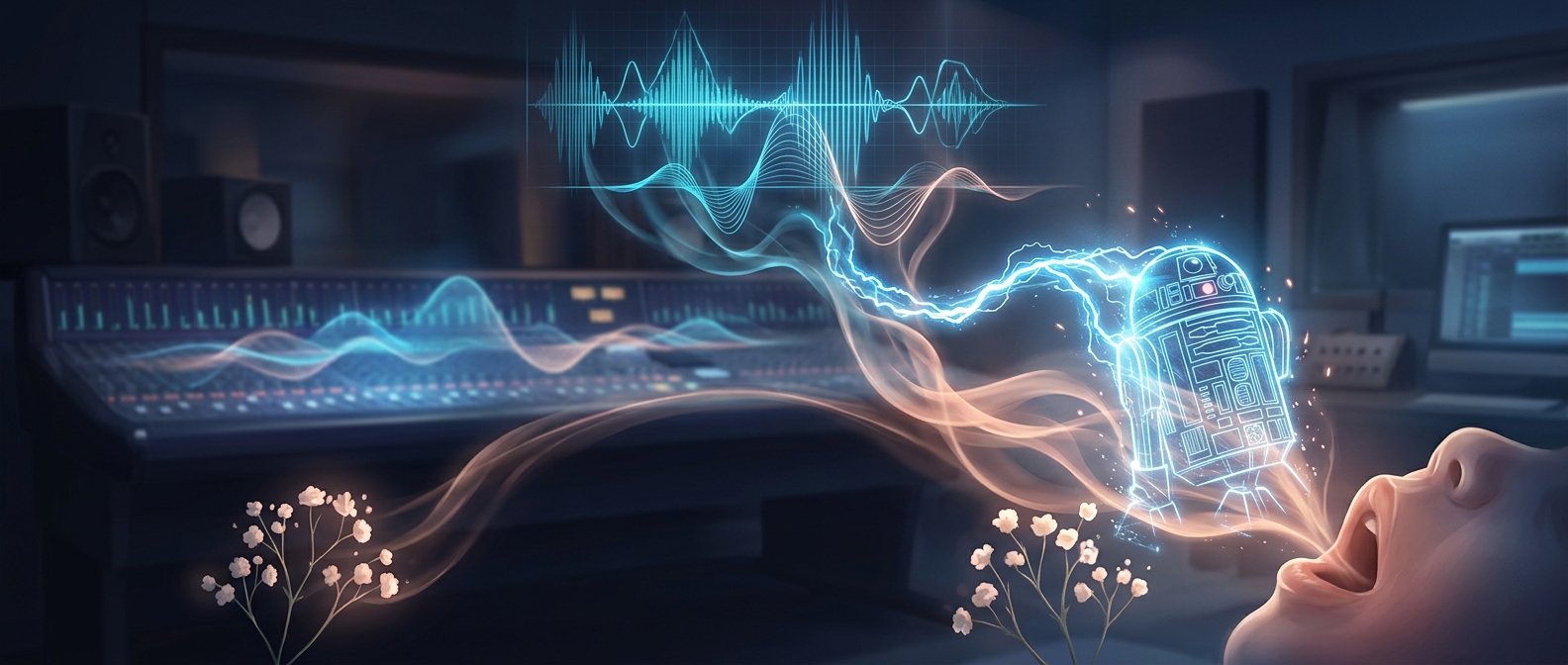
The original roar was made not with an animal recording, but by turning a musical instrument into a sound-effect machine. Sound-effects technician Ichirō Minawa dragged a resin-coated leather glove across the strings of a double bass, also called a contrabass. The sticky glove caught and released the strings unevenly, producing a harsh, vibrating rasp rather than a clean musical note.
That roughness mattered. A normal bass note might sound like music; the irregular scraping gave the sound a throaty, unstable edge. The instrument supplied a deep foundation, while the string vibrations added the tearing, metallic quality that made the roar feel less like any familiar animal.
Making the monster sound ancient
Godzilla needed a voice that could sell more than size. In the 1954 film, the creature is a prehistoric force awakened into a modern world, and its roar had to suggest something both enormous and unfamiliar. A processed string sound offered a useful compromise: audiences could hear a physical vibration, but could not easily identify its source.
The effect also fit the film’s practical craft. Instead of relying on a library of animal calls, the sound team could shape a distinct signature from an instrument, then use it repeatedly as Godzilla’s audible presence. The result was a roar with a recognizable rasp and low growl—proof that a monster’s voice can come from a musician’s instrument treated in a decidedly unmusical way.