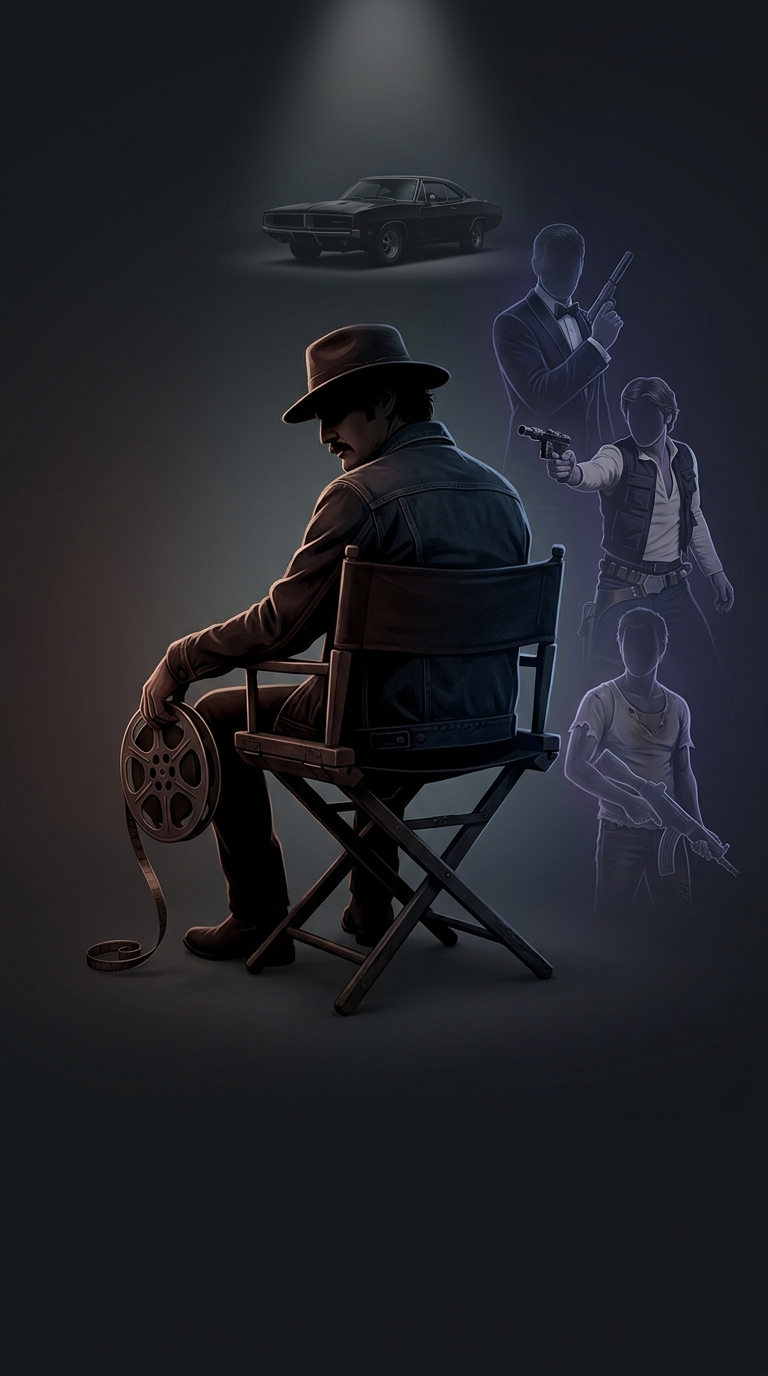
The roles that could have changed Burt Reynolds’s screen legacy
Han Solo, James Bond, and John McClane are very different characters, but each became bigger than the movie in which he first appeared. Bond is a recurring secret agent, Solo a central figure in a sprawling space saga, and McClane the anchor of a long-running action series. Turning down any one of them meant passing not just on a part, but on the possibility of returning to a character audiences would keep encountering for years.
A star persona can be an asset—and a constraint
Reynolds built his appeal around a particular kind of masculine charm: confident, funny, physical, and unmistakably himself. That persona helped make him a major star. But a role can demand a different kind of screen presence, and accepting a famous character can also mean letting that character’s identity reshape how audiences see you. Reynolds’s choices reflect the tension between protecting a recognizable image and taking a part that might expand it.
The three roles also offered different paths to longevity. A lead in a continuing series can keep an actor attached to a character across multiple films and generations of viewers. That visibility may outlast the career of a conventional movie star, even though no casting choice can guarantee lasting fame.
The cost of a missed opportunity
Reynolds later acknowledged that the rejections cost him a chance at a more enduring place in film history. The loss was not simply about missing particular hits; it was about missing characters whose stories—and audience recognition—continued beyond a single performance. His career shows the tradeoff at the heart of movie stardom: the traits that make an actor instantly recognizable can also make it harder to imagine him as someone else.