Why ruins feel different before the crowds arrive
The quiet is partly a matter of timing. Independent travelers who arrive near opening can reach the paths before organized groups, whose visits are tied to bus routes and planned itineraries. Once several groups arrive close together, narrow entrances, stairways, and viewing points can quickly feel busy—even if the site itself is vast.
Mist has its own short schedule
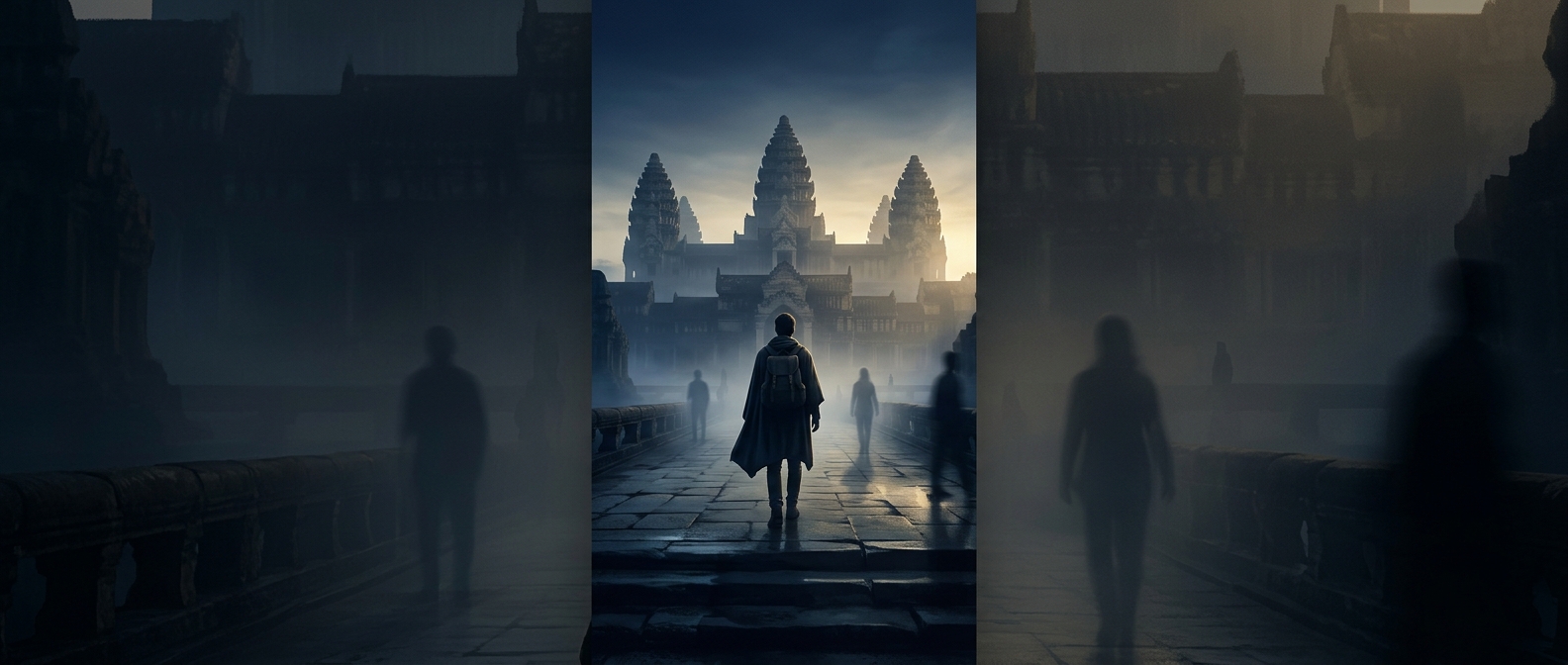
Morning mist forms when damp air cools enough for water vapor to condense into tiny droplets. As the ground warms after sunrise, the air often warms too, and the droplets evaporate or disperse. Wind can clear them sooner. That makes mist an atmospheric moment, not a feature visitors can count on throughout the day.
A quieter visit changes what you notice
With fewer people moving through the site, there is more room to pause at a wall, listen to the surroundings, or take in how buildings sit within the landscape. Later, the same place may feel very different as groups converge and conversations carry across stone courtyards.
Arriving early does not guarantee solitude or fog, but it can align two fleeting conditions: a lull in visitor traffic and the cool air that sometimes holds the morning mist.