Pockets Built for a Soldier’s Load
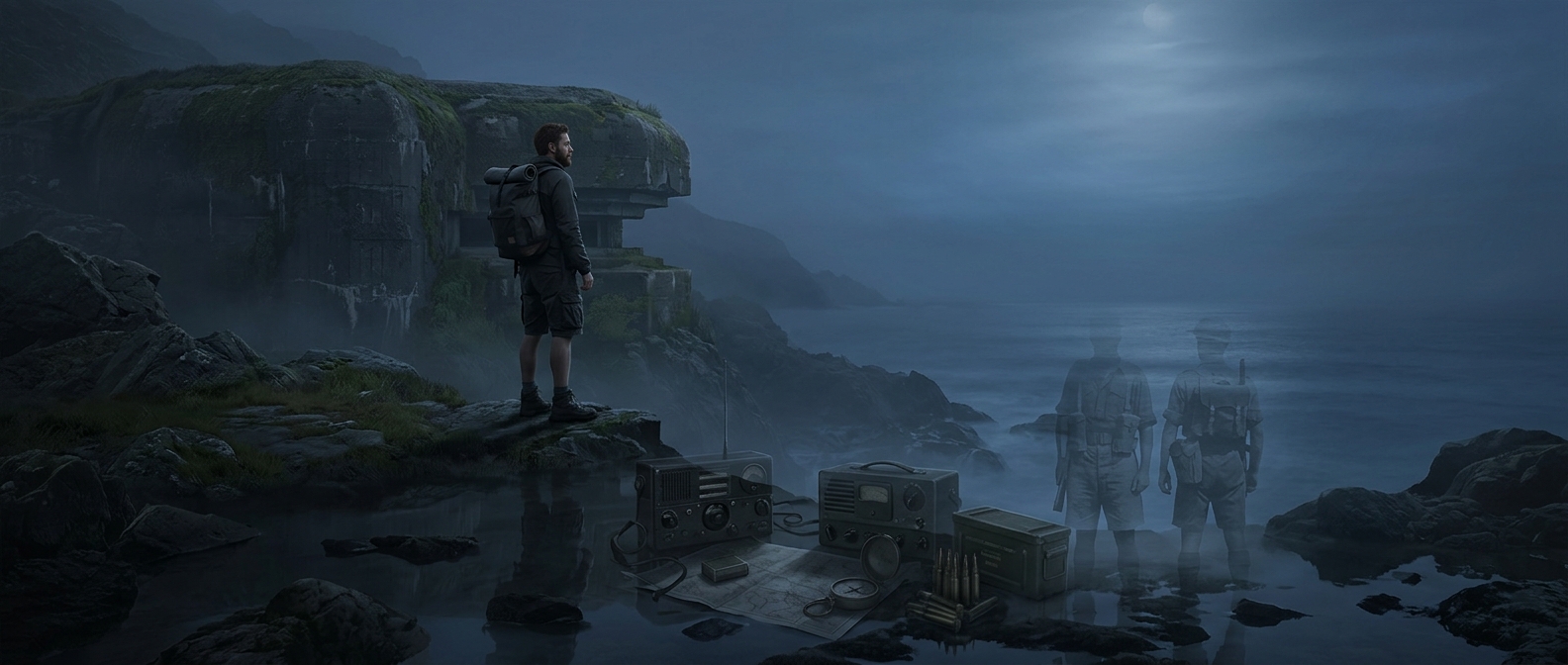
A soldier carrying extra ammunition needed more than a place to stash it: the rounds had to stay close, remain easy to reach, and not occupy both hands. Roomy pockets sewn onto the legs put supplies within reach without requiring a separate bag. Their placement also spread the load across the clothing rather than concentrating it in a jacket or a small belt pouch.
That arrangement made the pocket itself part of the garment’s function. A useful military pocket had to hold bulky items securely while letting a soldier move, bend, and handle equipment. The design traded a neat silhouette for carrying capacity—a practical choice when access to supplies mattered more than streamlined clothing.
From Equipment to Everyday Clothing
The same feature is easy to recognize outside a military setting. Large leg pockets can carry items that would otherwise need a bag, which helps explain the enduring appeal of cargo-style clothing for travel and outdoor use. But the original purpose was more specific than general convenience: the pockets were meant to keep ammunition close at hand.
That military logic is still visible in the shape of the garment: extra storage is built directly into the legs, turning clothing into a small, hands-free way to carry a load.