Spain’s bars work like neighborhood living rooms
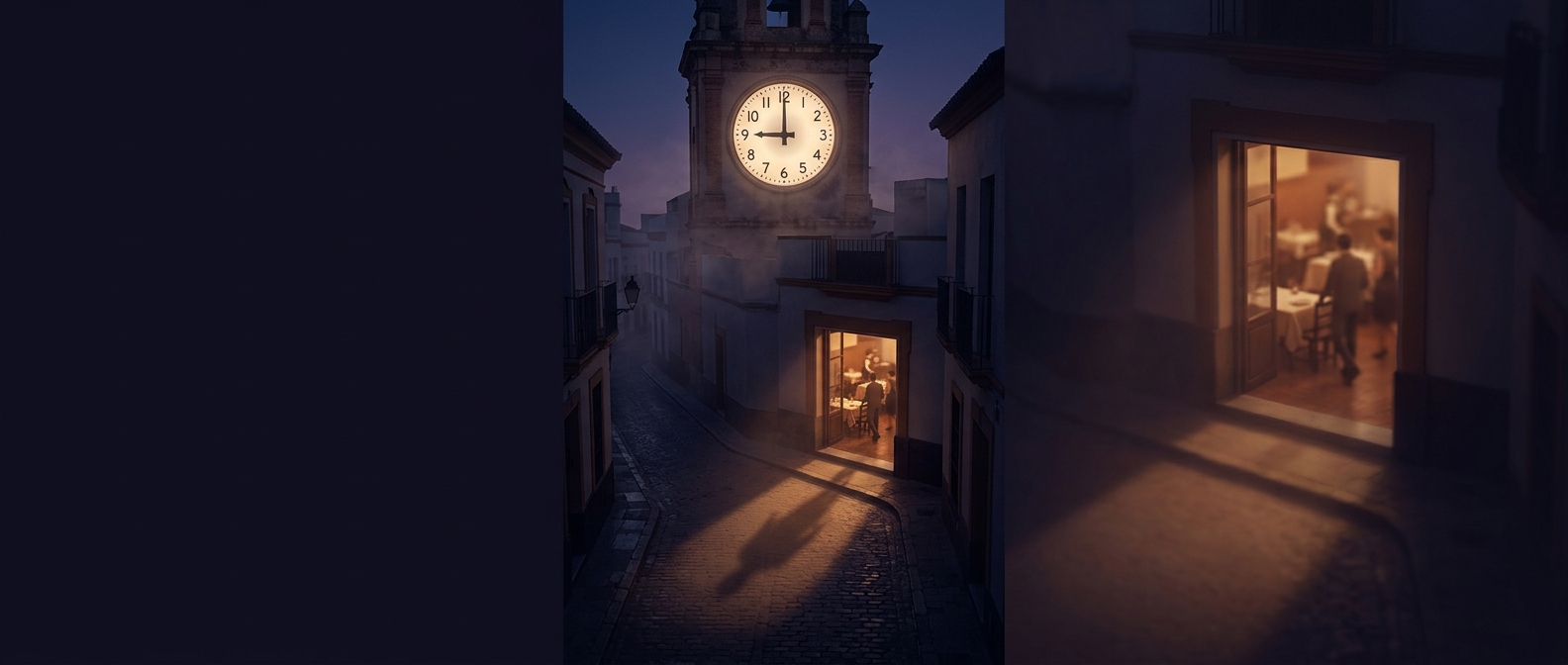
The word bar can suggest a place built mainly for drinking. In Spain, it often describes something broader: a casual, everyday venue where people meet, eat, pause between errands, or catch up with neighbors. That flexible role helps explain why bars are woven into ordinary neighborhood life rather than reserved for nights out.
One room, many reasons to stop
A local bar can serve different needs across the day. A quick visit may mean a coffee at the counter; another might involve a snack or a longer meal. The same familiar setting makes spontaneous encounters easy: there is no need to arrange a formal gathering or turn a visit into a special occasion.
That mix also matters to the businesses themselves. Serving more than one kind of visit can bring customers in at different times, while regulars give a neighborhood venue a steady social rhythm. Bars vary widely across Spain, of course, but many function as small, accessible meeting points as much as places to order a drink.
Why density feels personal
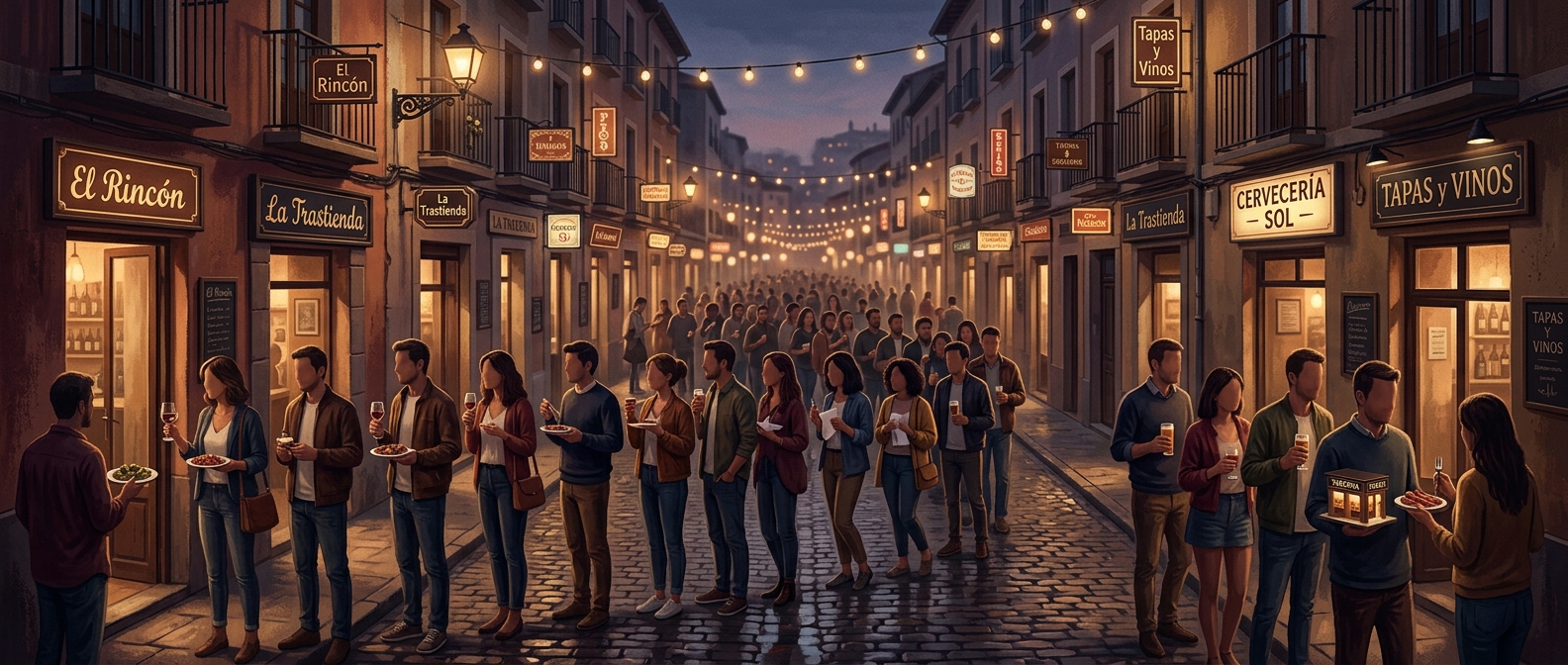
A high number of bars per person is not simply a measure of nightlife. It points to a style of public life in which conversation and everyday routines often happen in shared local spaces. For a visitor, the telling detail may be how ordinary the setting feels: a bar can be where a neighborhood briefly gathers, without anyone needing a special reason to be there.