How Prolonged Stress Can Tune the Brain Toward Threat
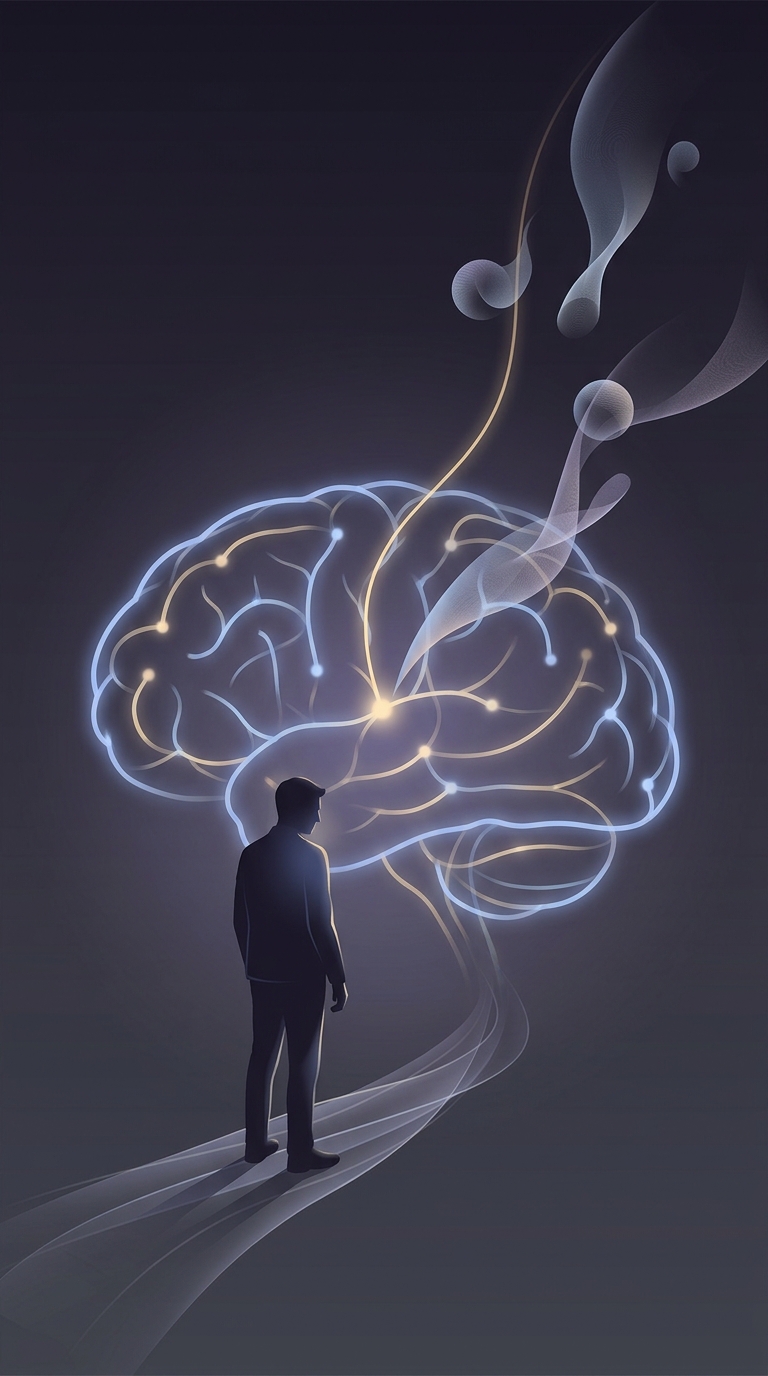
Stress is not just a feeling; it is a body-wide response that helps a person react to danger. In the short term, stress signals can sharpen attention and prepare the body to act. When those signals recur for months or years, however, they can influence how the brain’s threat and control systems work together.
The amygdala, a small group of structures deep in the brain, helps detect emotionally important events, including possible threats. Chronic stress is associated with changes in the amygdala and its connections—not simply a uniform thickening that happens to everyone. These changes may make potential danger feel more salient, so ambiguous situations are more likely to draw attention or trigger a strong emotional response.
Why pausing can become harder
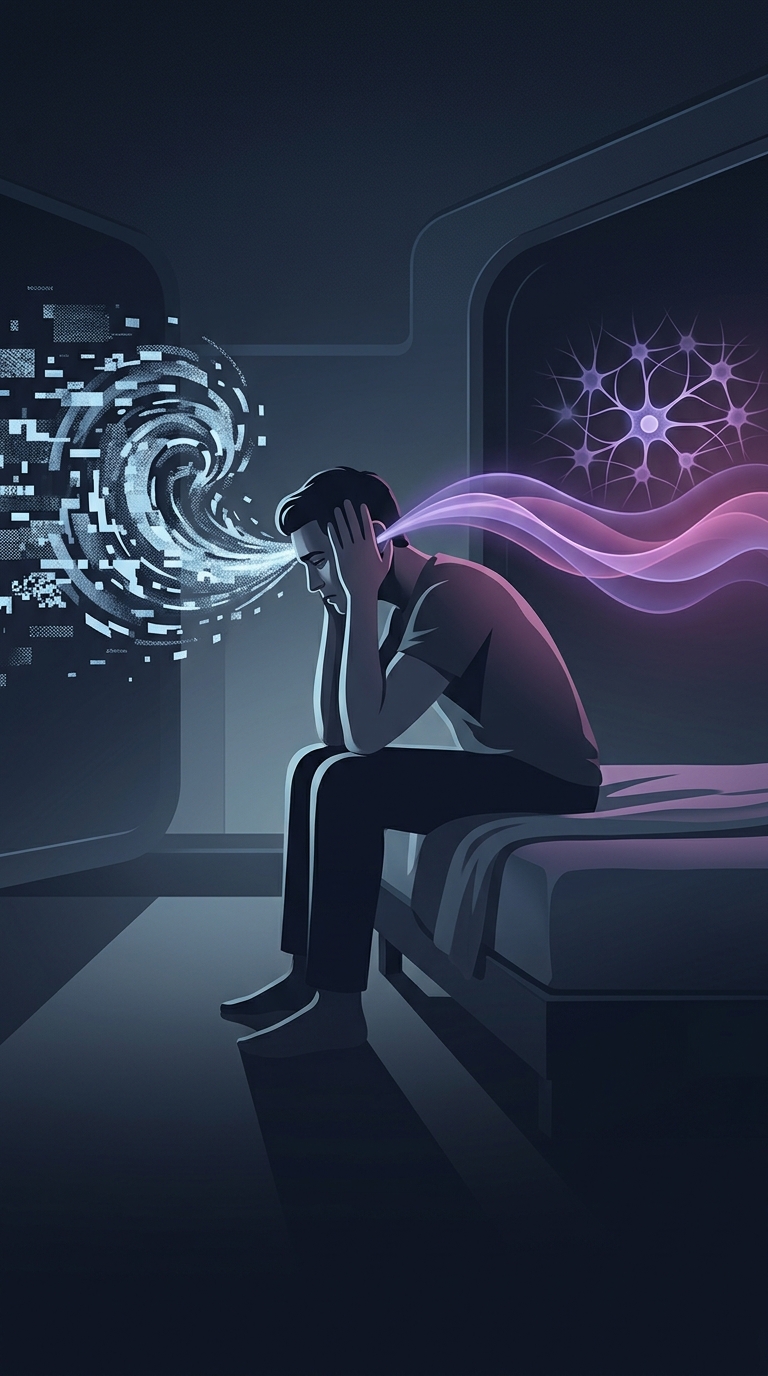
The amygdala does not make decisions alone. It interacts with regions involved in planning, memory, and regulating emotion, including parts of the prefrontal cortex. Under stress, the brain can favor fast, protective reactions over slower evaluation. With repeated strain, changes in these circuits may make it harder to step back, weigh alternatives, and adjust a response once the immediate threat has passed.
That shift can show up in ordinary moments: a neutral comment feels hostile, a small setback prompts an outsized reaction, or it takes longer to settle after a tense event. These are not signs of a brain permanently “broken” by stress. Brain circuits remain capable of change, and the effects vary with a person’s circumstances and health.
A threat system that stays on alert
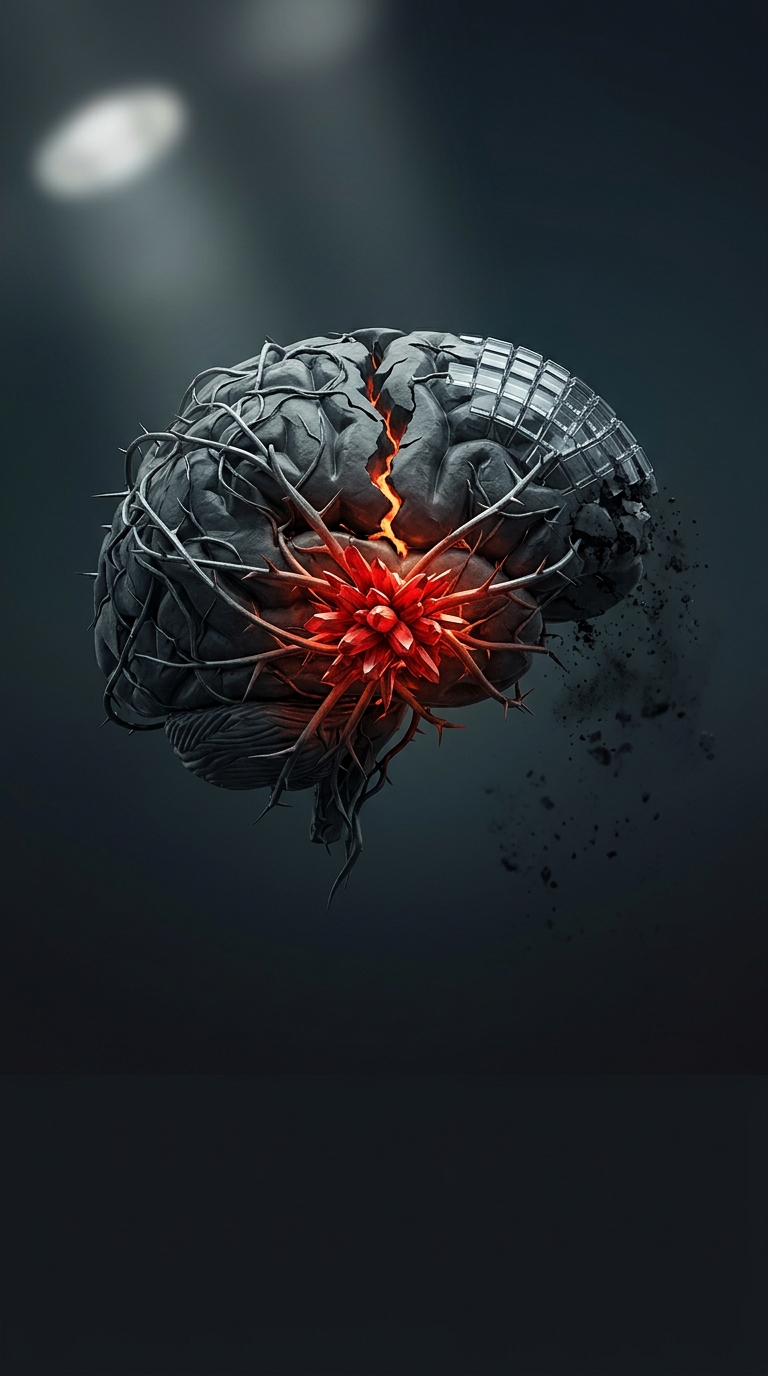
The useful short-term alarm can become costly when it is activated too often. A brain more ready to detect danger may react quickly, but it may also spend less attention on cues of safety and make measured choices more difficult. That is one reason reducing ongoing stress and getting support for persistent anxiety can matter: it gives the brain’s threat-detection and decision-making systems more opportunity to work in balance.