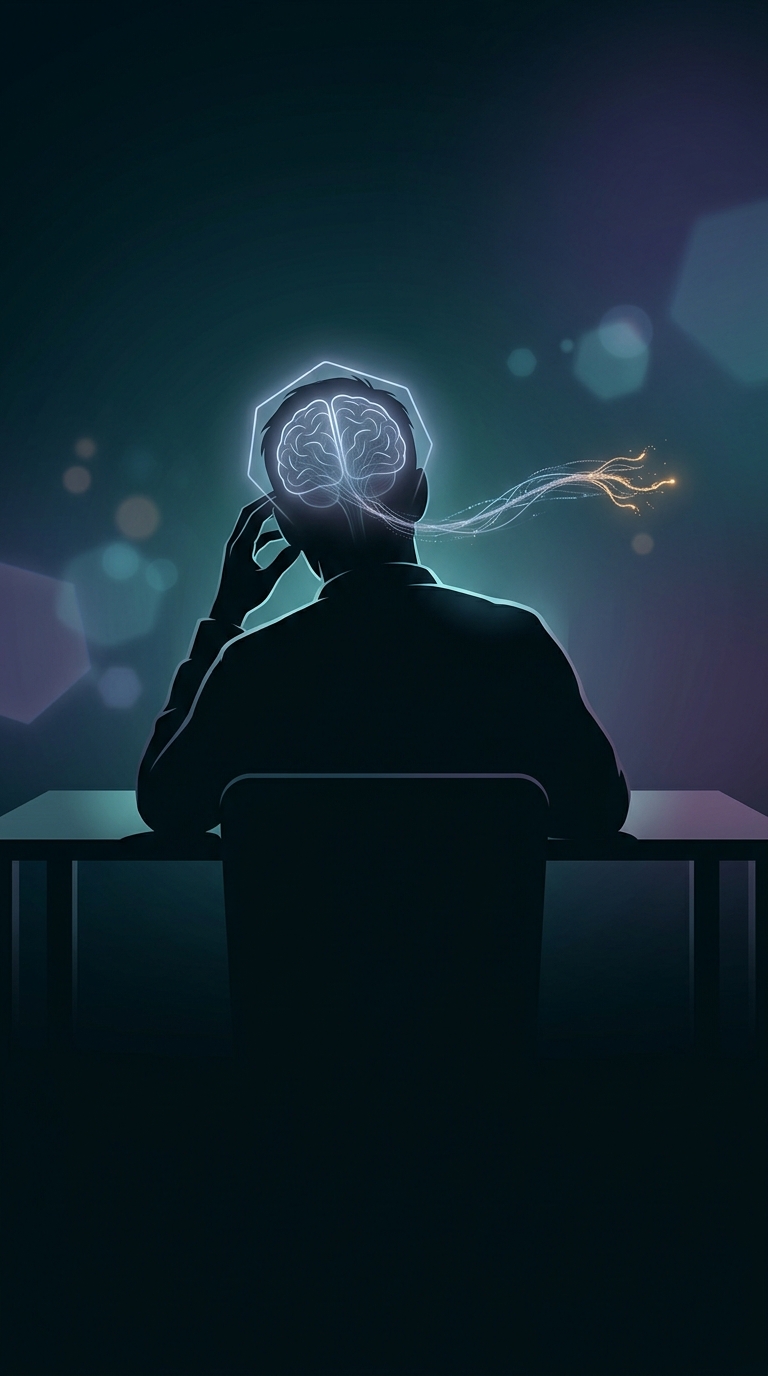
Doomscrolling keeps attention on alert
The brain function most directly caught up in doomscrolling is attention: the ability to decide what deserves focus and to hold that focus long enough to make sense of it. A stream of alarming headlines repeatedly offers a new possible threat, so attention keeps shifting from one item to the next instead of settling on a single task.
That pattern can feel compelling because checking for the next update promises useful information. But each swipe also brings another decision—whether to read, react, or keep searching. The mind must repeatedly disengage from one story and orient toward another, leaving less attention available for whatever the person meant to do next.
Why the feed can be hard to leave
Threatening information naturally draws notice: missing a danger can matter more than overlooking an ordinary update. Feeds exploit that tendency without needing to be deliberately designed as traps. A fresh headline is always available, and there is rarely a clear point at which the news is finished.
This does not mean a few minutes of scrolling permanently destroys a brain function. The more grounded concern is that prolonged, repeated checking can leave people mentally tired and make it harder, for a time, to concentrate or switch back to ordinary tasks. The practical cost is often visible after the phone is put down: the screen is gone, but attention may still be stuck scanning for the next alarming thing.