Why One Plug Can Lead to Several Bills
A public charger is not simply an extension cord attached to the grid. Someone has to buy the electricity, install the equipment, connect it to a network, and maintain it when a screen freezes or a cable fails. A free-charging offer can cover those costs for a time, but it does not make them disappear. When the promotion ends—or an operator changes its business model—the driver may encounter a charge for using the station.
The bill can reflect more than the electricity itself. Some operators price by the energy delivered; others may charge for connection time, add a session fee, or impose an idle fee if a fully charged car remains parked. These approaches address different costs: electricity use, payment processing, or a scarce charging spot being occupied. But they also make it harder to predict what a stop will cost before plugging in.
Why the App Becomes Part of the Trip
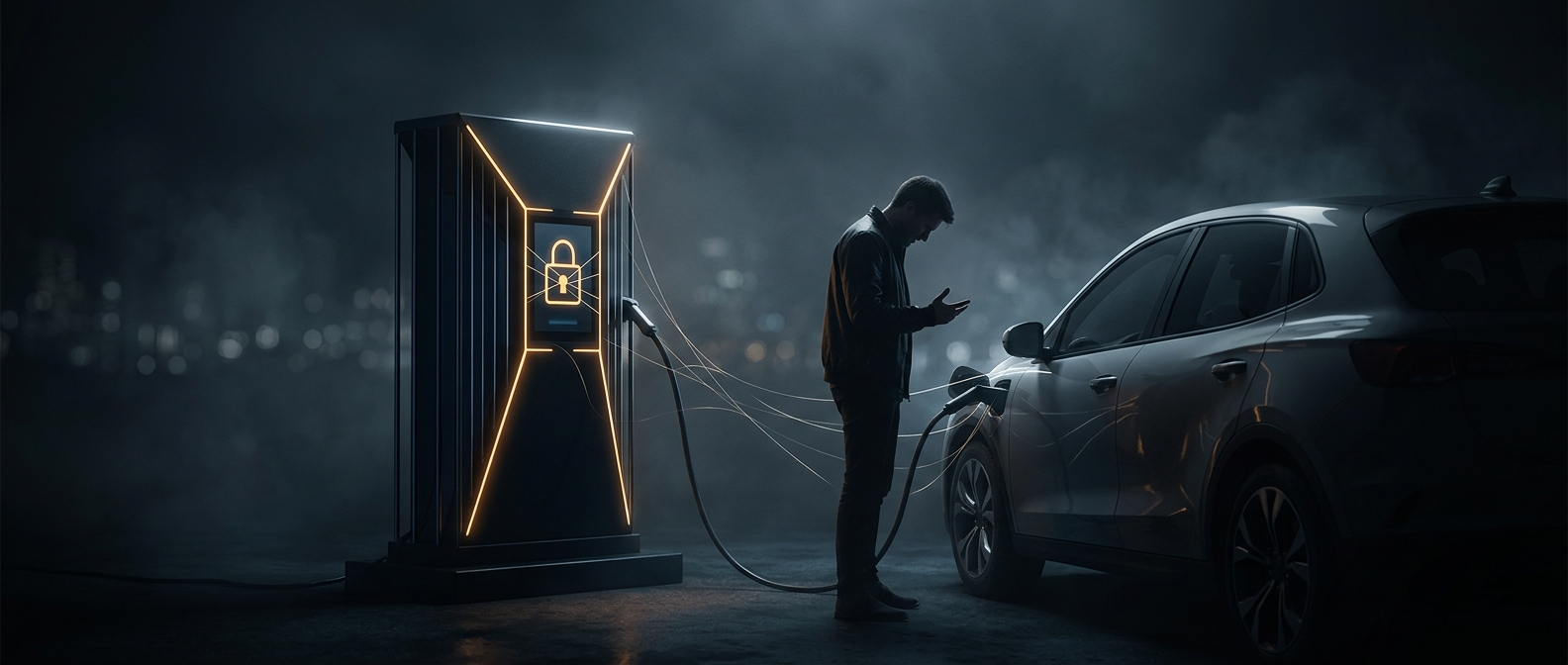
Many charging stations are run by separate networks, each with its own software and account system. The app can identify a charger, authorize the car to draw power, and send the session’s cost to the driver’s payment method. If networks do not share a common payment system, a driver may need another app—or another account—to use a different station, even when the plug fits the car.
Prices and rules can vary by network and location, too. Electricity costs differ, while operators face different expenses for equipment, site access, and repairs. A rate shown in one app may therefore be structured differently from the rate at the next station. The car’s plug is standardized enough to connect; the business systems behind it are not necessarily standardized enough to make payment feel equally simple.
The Cost of Fragmentation
That mismatch turns a practical stop into a small planning task: check the rate, confirm the station’s rules, and make sure the right payment method is ready. For drivers, the consequence is uncertainty as much as expense. The charger may be physically compatible while the checkout process is not—a reminder that making electric travel convenient depends on coordinating billing and access, not just installing more plugs.