The battery swap is really a whole-car redesign
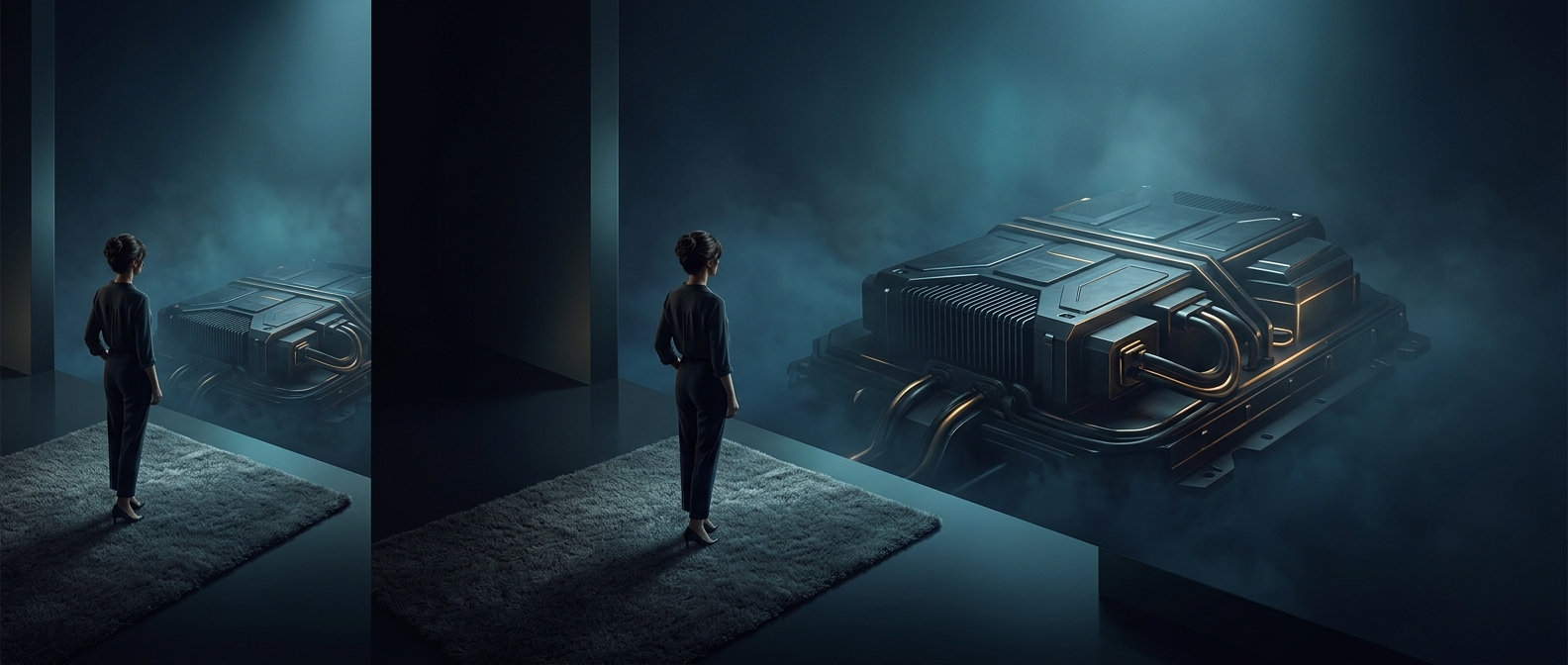
A battery pack cannot simply replace a fuel tank and run the old car’s wheels. In an electric conversion, the engine and much of the original driveline are removed, then a motor, battery pack, power electronics and charging hardware are fitted. The inverter—electronics that turn the battery’s direct current into the kind of current the motor uses—also controls how power reaches the wheels.
Tesla components appeal to some conversion builders because they were developed for mass-produced electric cars and can be adapted as parts of a new system. But the donor car’s frame, suspension, brakes and available space determine what can actually fit. A pack may need to be divided among several locations rather than installed as one unit, and the conversion needs custom mounts, wiring and cooling.
The hidden tradeoff is weight and space
A battery stores far more mass than a comparable volume of gasoline. That extra weight can change how a classic car rides, corners and stops, especially if it is concentrated in a place the original chassis was not designed to carry. Builders must balance battery capacity against fit, weight distribution and the owner’s intended use; there is no universal pack that suits every model.
The result is a compromise: electric power can make an older car easier to drive in modern traffic, but it may no longer behave exactly as its designers intended. Owners keep the familiar body and characterful cabin while accepting a new mechanical heart—and the engineering work needed to make the two belong together.