What the Story Leaves Unnamed
A ceremony cannot be understood from atmosphere alone. This account names no community, place, plant, or local term for the ritual. Without those details, “desert nomads” is too broad to identify a tradition: mobile pastoral peoples live across very different regions and have distinct histories and beliefs. The description therefore does not establish that a particular group performs this ceremony or shares these prophecies.
How Smoke and Rhythm Can Shape an Experience
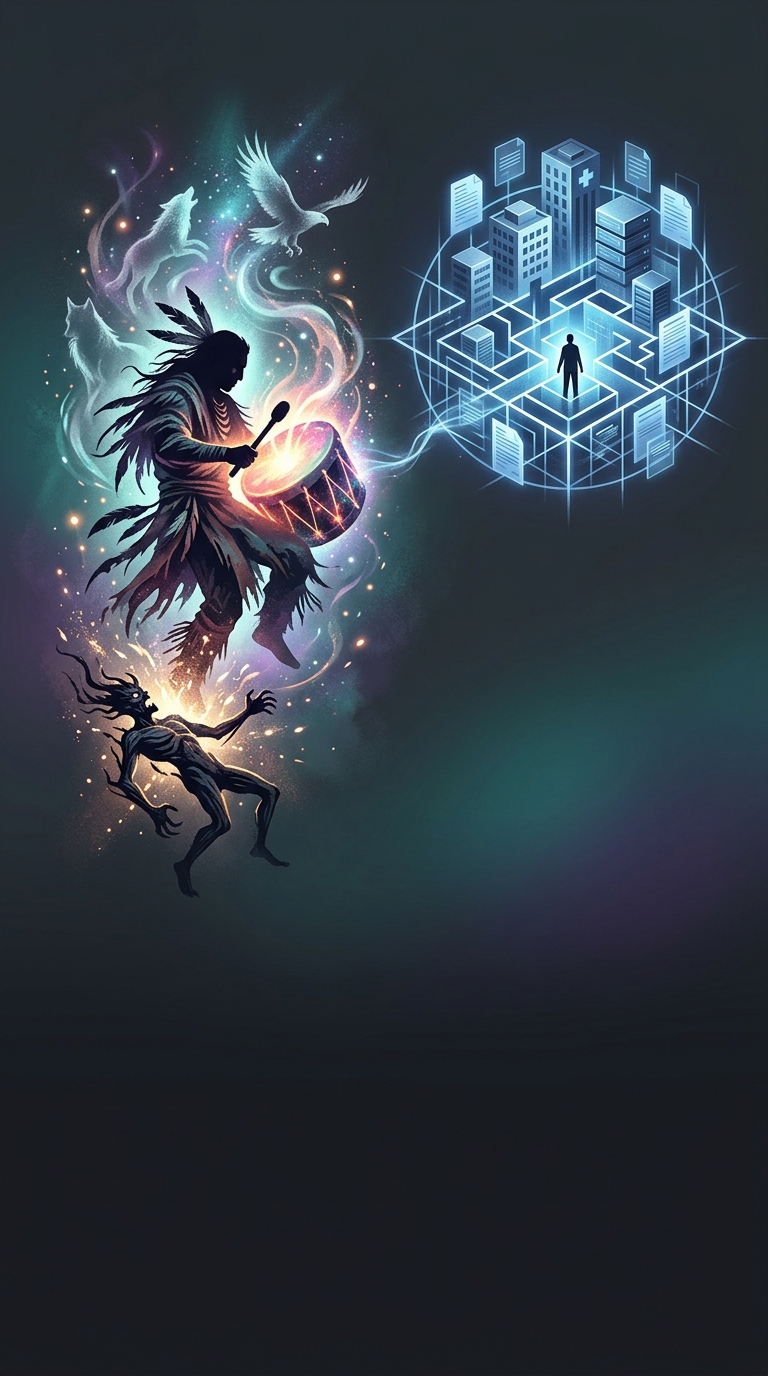
In some settings, smoke, drumming, chanting, or other repeated sounds help mark a transition from ordinary activity to ritual attention. A steady beat can focus listeners and heighten expectation; psychoactive substances, when present, can alter perception and emotion. Those effects may make visions or sensed presences feel vivid and significant. They explain how an experience might feel compelling, not whether an unseen being is actually communicating.
From Vision to Prophecy
A vision becomes a prophecy through interpretation: participants connect what was experienced to their shared stories, present worries, and ideas about the future. That meaning belongs to the people and tradition involved; it should not be replaced with a sensational outsider’s claim that the ritual predicts civilization’s collapse. Without a named source or community account, the specific prediction cannot be attributed to anyone.
The crucial detail is not the image of “shadowy entities,” but who tells the story, in what cultural setting, and what the experience means to those who take part.