The camera changes the scale
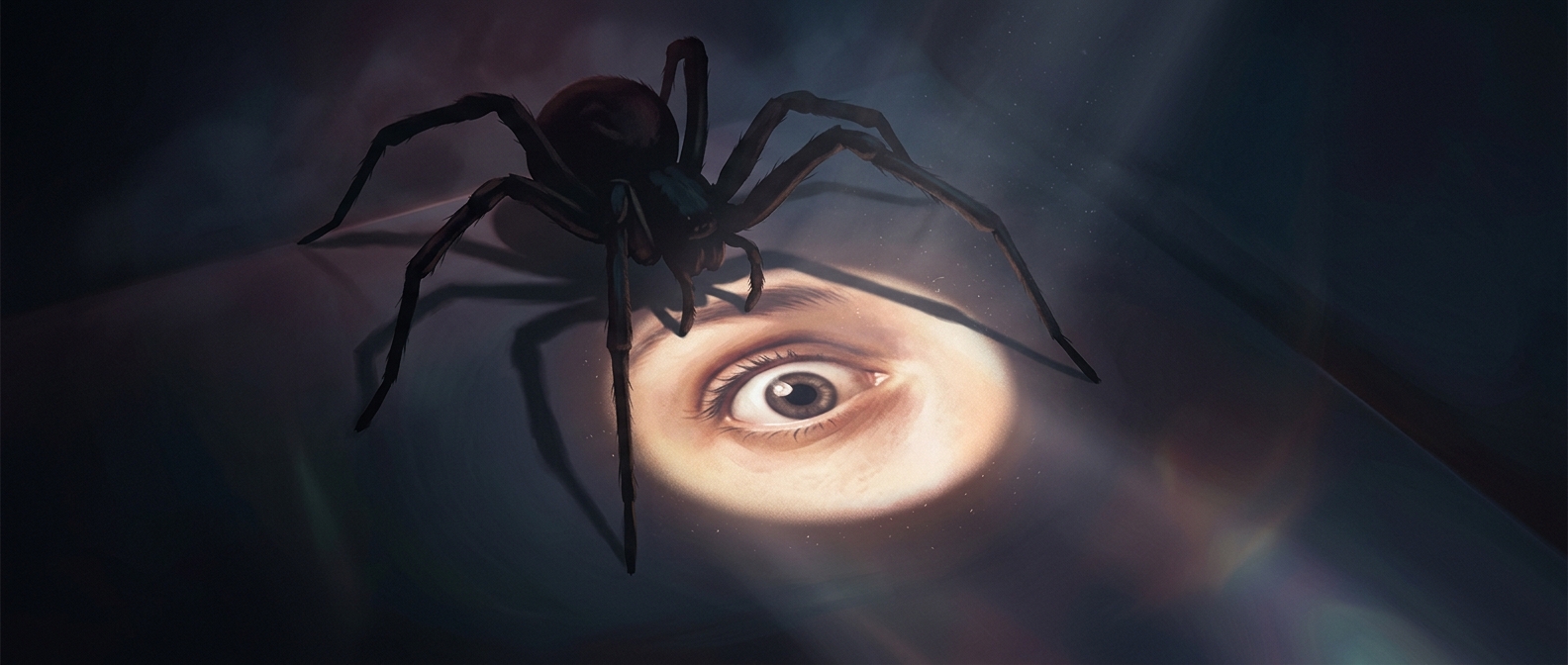
A spider becomes frightening on screen when the camera stops showing it as an animal in a room and starts showing it as a landscape of sharp parts. A macro lens can enlarge tiny details—joints, bristles, mouthparts—until they dominate the image. With little of the surroundings visible, viewers lose the cues that would reveal the spider’s real size. A hair or fang that would be easy to overlook can instead seem like a weapon.
Close focus also makes it harder to keep the whole spider sharp. The blurred background separates the creature from its setting, giving it a strange, isolated presence rather than the familiar scale of a floor or wall.
Editing and sound supply the threat
A film can make the spider feel even more imposing by delaying a clear view. A sudden cut to a moving leg, a quick change in camera angle, or a low perspective can make its approach seem purposeful and hard to escape. Sound adds another layer: amplified clicks, scraping, or rumbling can suggest a body far larger than the one on screen.
These choices work together. The image withholds scale; the editing controls when the creature appears; the sound encourages the viewer to imagine weight and force. The spider need not be physically large—the film makes its details and movements feel large. That is why a tiny animal can occupy a scene like a monster while remaining, in reality, small enough to fit on a penny.