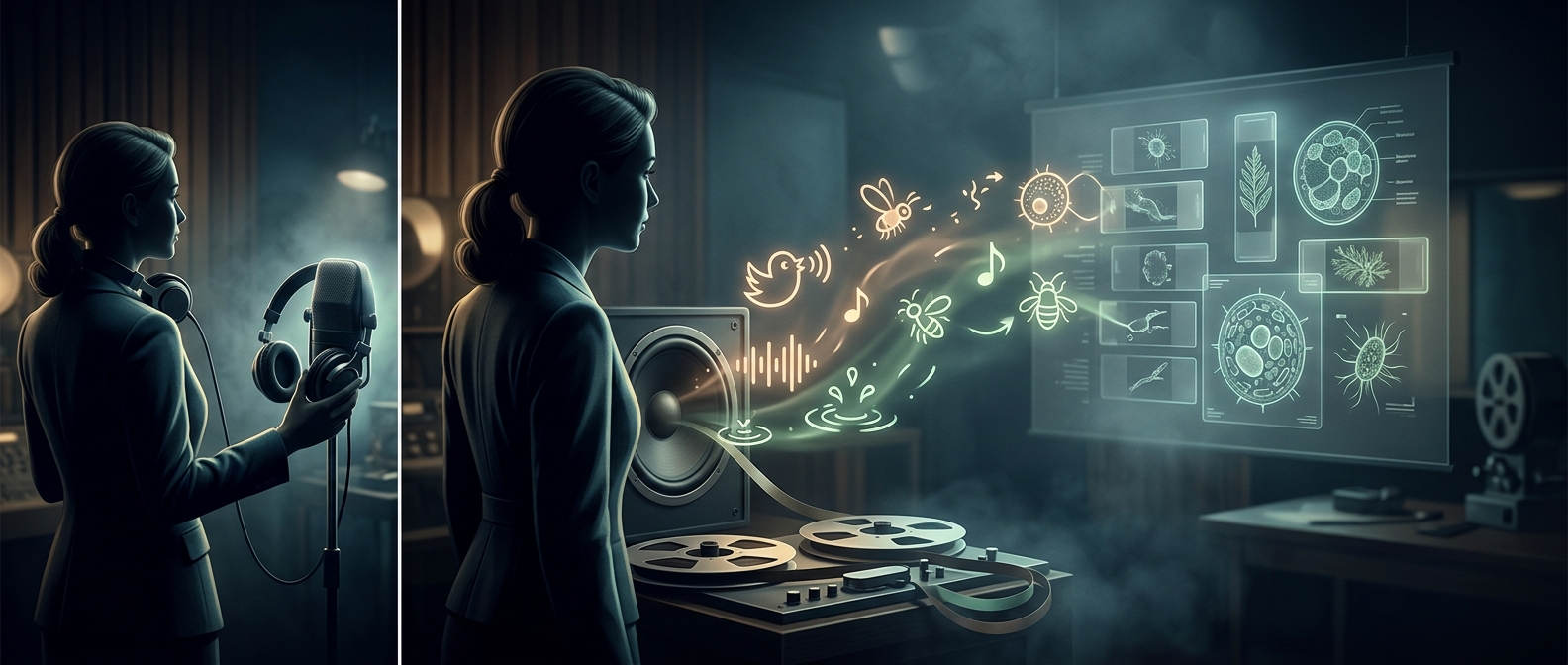
When science films met vaudeville
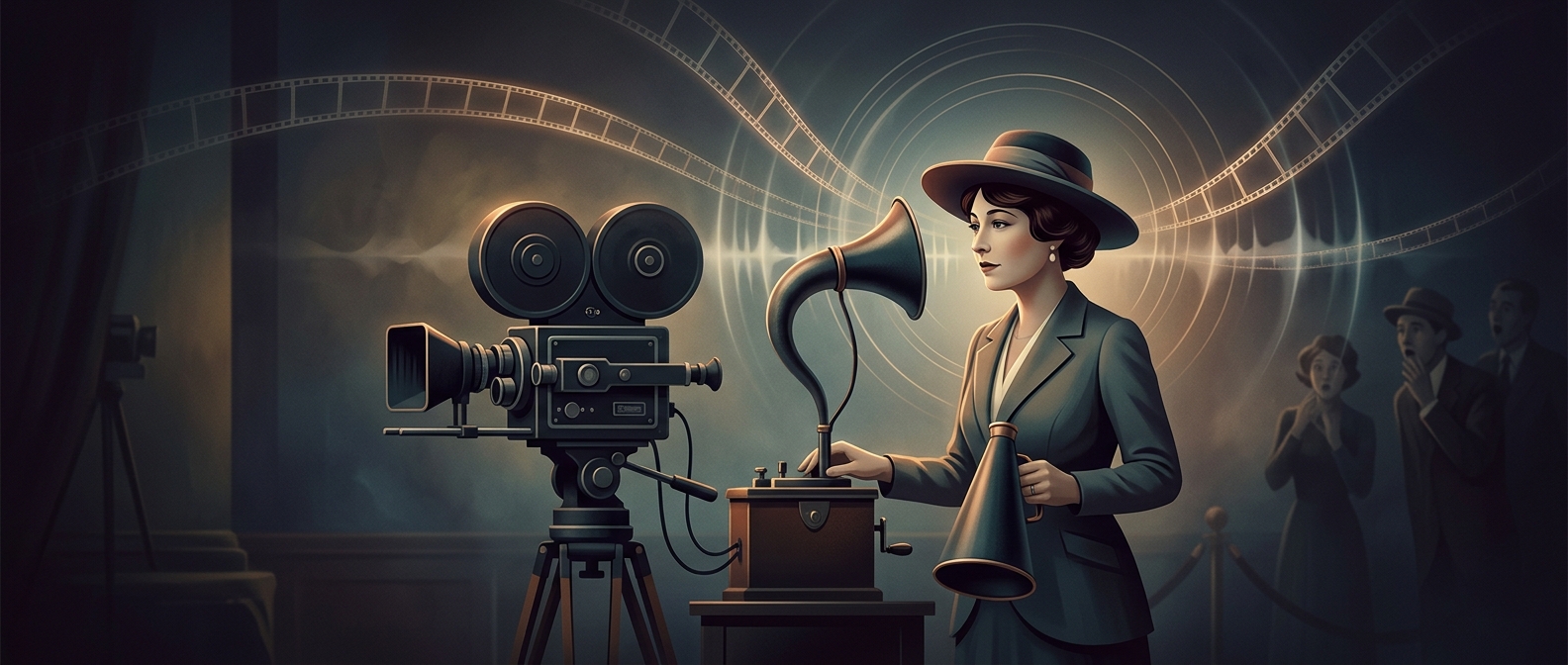
In the 1920s, Mary Field helped make Secrets of Nature, a series of short films that brought close-up views of plants and animals to cinema audiences. The images could be startlingly unfamiliar: time-lapse photography compressed slow biological changes into motion, while microcinematography filmed details too small to see unaided. But the films did not arrive in theaters as solemn lessons. They were paired with comic narration in the style of a vaudeville act.
The joke was part of the presentation
A narrator could turn an obscure biological process into a character-driven gag. Fungus reproducing, for example, became material for silly commentary rather than a formal lecture. The contrast mattered: the screen showed careful observation, while the voice supplied jokes, personality, and a familiar rhythm for a theater crowd.
That approach made strange images easier to watch without requiring viewers to know scientific vocabulary. It also reflected the practical reality of silent-era exhibition, when a film’s presentation could include live or locally supplied accompaniment. The footage might be the same from one screening to another, but the words heard over it could shape what audiences noticed and how they interpreted it.
A double life for scientific footage
The comic treatment did not erase the films’ documentary purpose. Their cameras recorded biological change; the narration offered an entertaining route into it. The result was science presented not as a break from popular entertainment, but as material that could work inside it. A microscopic event could be both evidence of how nature behaves and the setup for a theater joke.