Why an ATM offers Latin
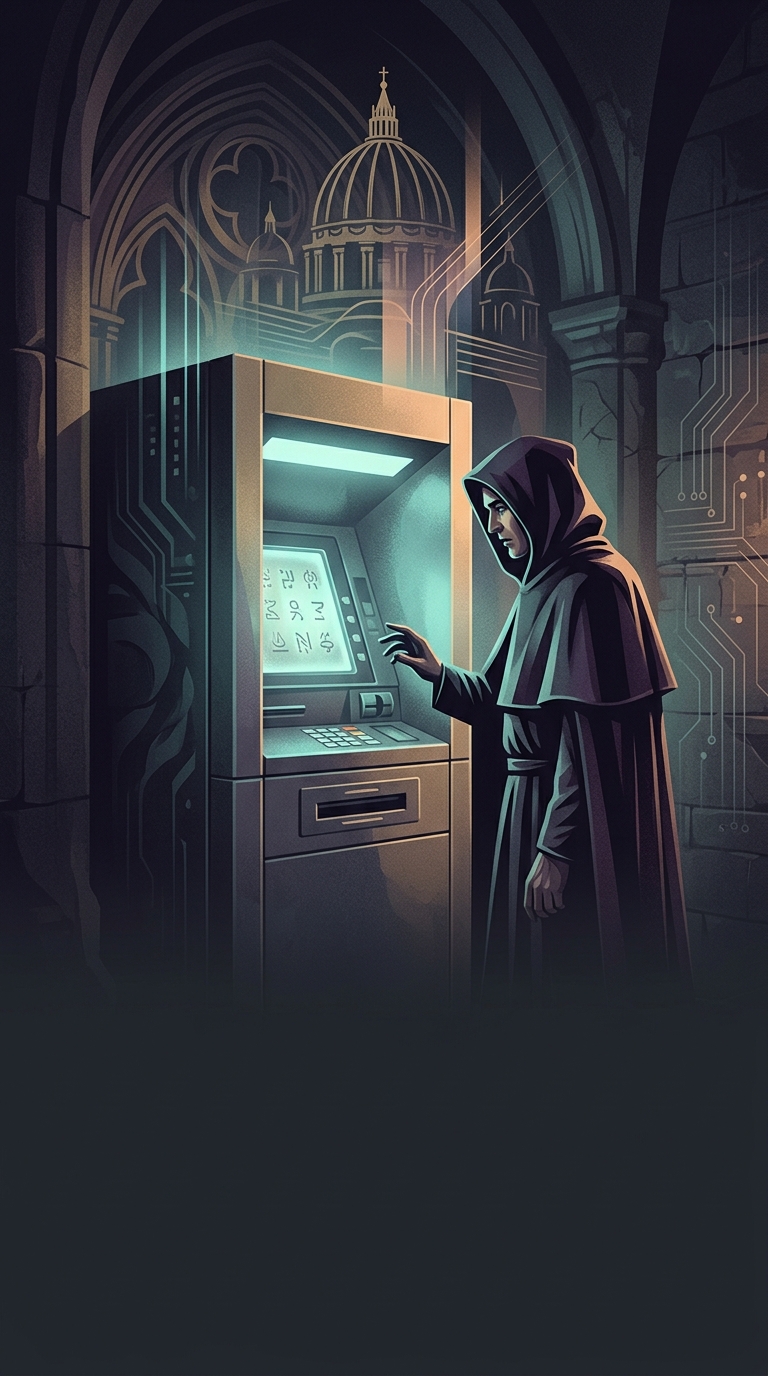
The unusual choice is Latin: an ATM in Vatican City may let customers navigate its menus in the language of ancient Rome. That does not mean the machine is running on some special Vatican technology. Its instructions—such as prompts for a card or a PIN—have simply been translated into Latin, just as they are into more widely spoken languages.
The option is both practical and symbolic. Latin is not an everyday spoken language for most people, but it remains part of the Catholic Church’s institutional life, appearing in formal documents and worship. Offering it on an ordinary cash machine brings that tradition into a distinctly modern setting.
A working language on a modern screen
An ATM menu is a small but revealing kind of translation: it has to make routine actions clear, not merely display impressive-sounding words. A Latin version turns familiar banking steps into instructions in a language many users recognize from history, religion, or school—even if they would not normally use it to withdraw cash.
That contrast is the point. In a city where the Church’s ancient language still has a formal place, Latin is not confined to books or ceremonies; it can appear in the same practical interface used to get euros. The surprising detail is not that the ATM behaves differently, but that a language associated with the distant past can still be selected for an everyday task.