Why fluid shifts matter to the eyes
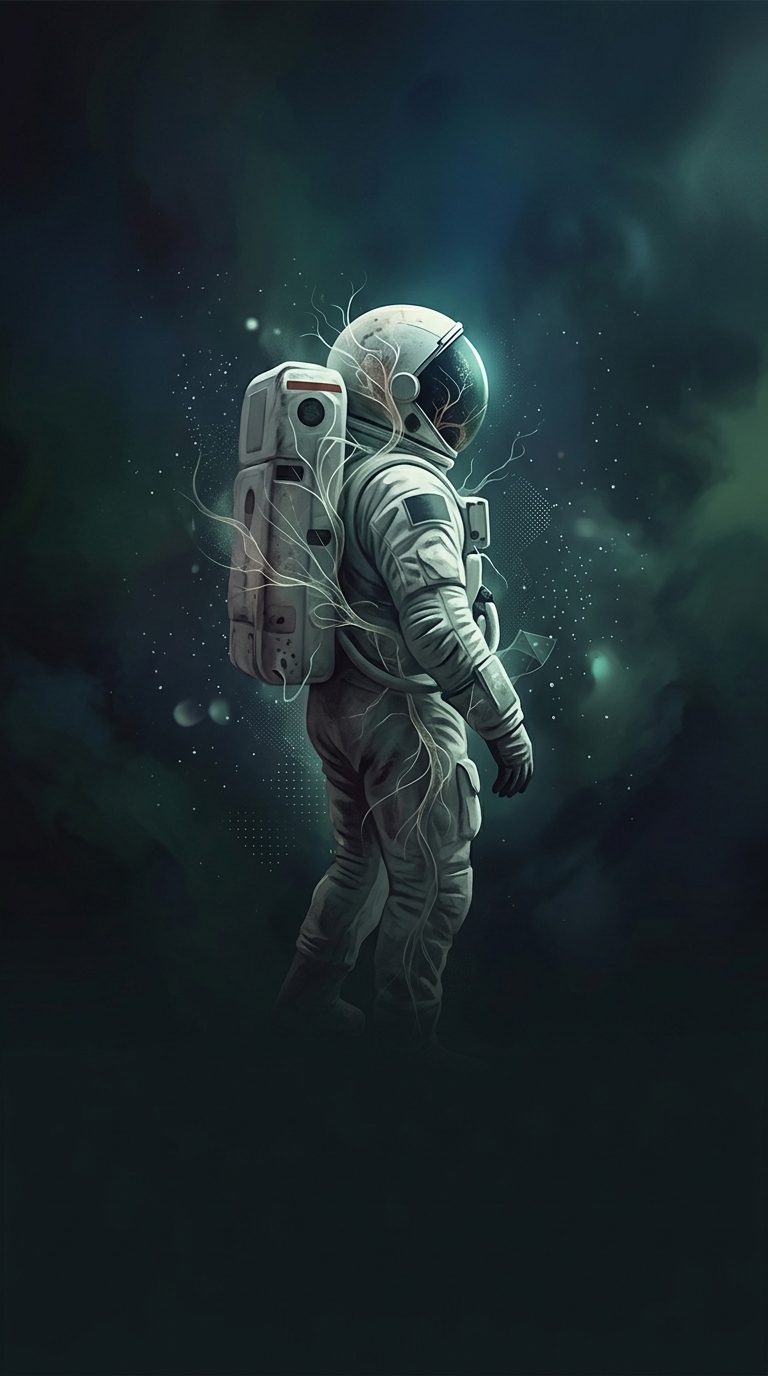
On Earth, gravity continually pulls blood and other body fluids toward the lower body. In microgravity, that familiar downward pull largely disappears. Fluid redistributes toward the chest and head, changing the pressure environment around the eyes and the tissues behind them.
The eye is not a rigid sphere. Its shape depends in part on the forces acting on its walls, while the optic nerve—the bundle carrying visual signals from the eye to the brain—passes through the back of the eyeball. A prolonged shift in fluid and pressure can alter these structures. In some astronauts, the back of the eye becomes flatter; changes around the optic nerve may also occur.
Why vision can remain different after landing
These changes can affect how light is focused, making near vision or overall sharpness seem different. The effects do not necessarily end when a mission does: returning to Earth restores gravity, but the body and eye tissues may take time to adjust, and some changes can persist after a long flight.
Researchers group several of these findings under the name spaceflight-associated neuro-ocular syndrome, or SANS. It is not one identical eye problem in every astronaut. The type and degree of change vary, which is why crews receive vision checks before, during, and after missions.
A practical constraint on long missions
The concern is more than comfort. Astronauts need dependable vision for reading displays, operating equipment, and performing tasks that may be difficult to pause. Monitoring eye changes helps medical teams track how the body responds to extended time in microgravity—and makes eyesight one of the health factors that must be considered as missions last longer.