Why an Astronaut’s Eyeballs Can Change Shape
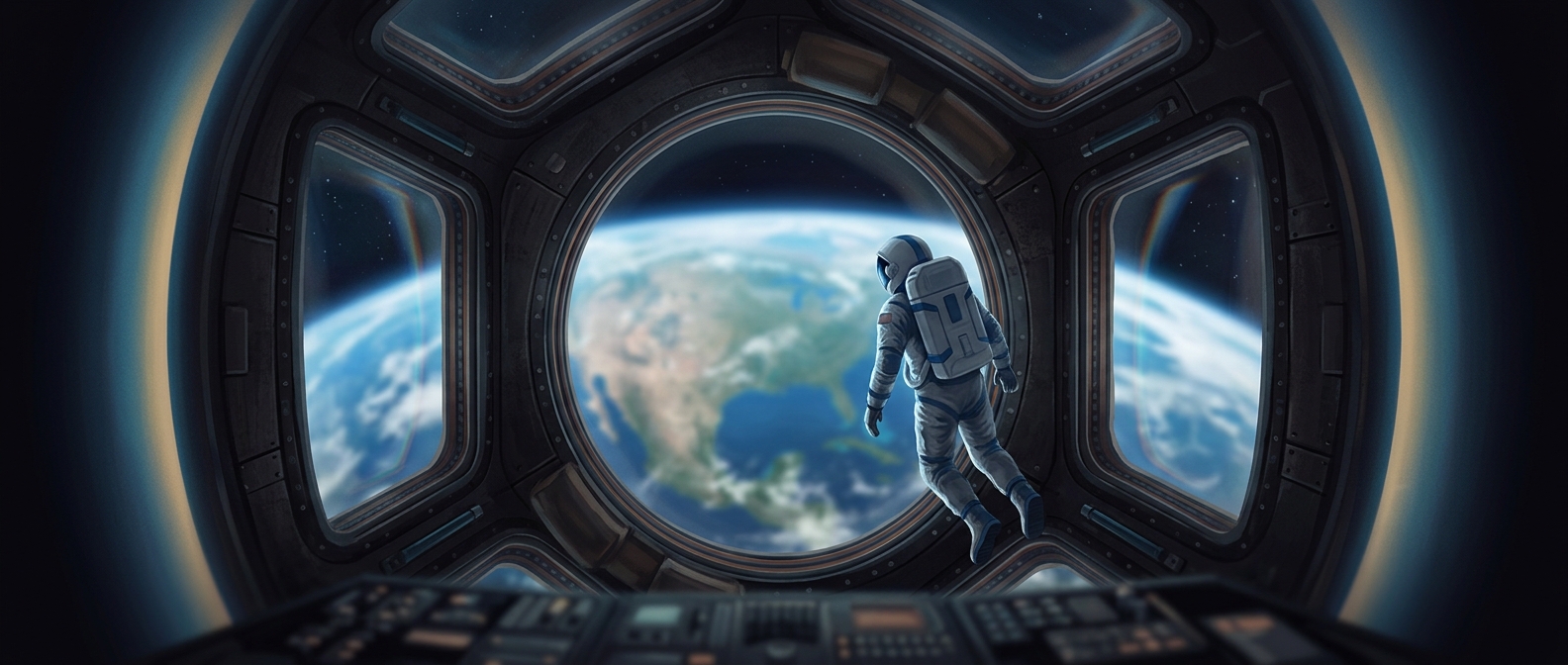
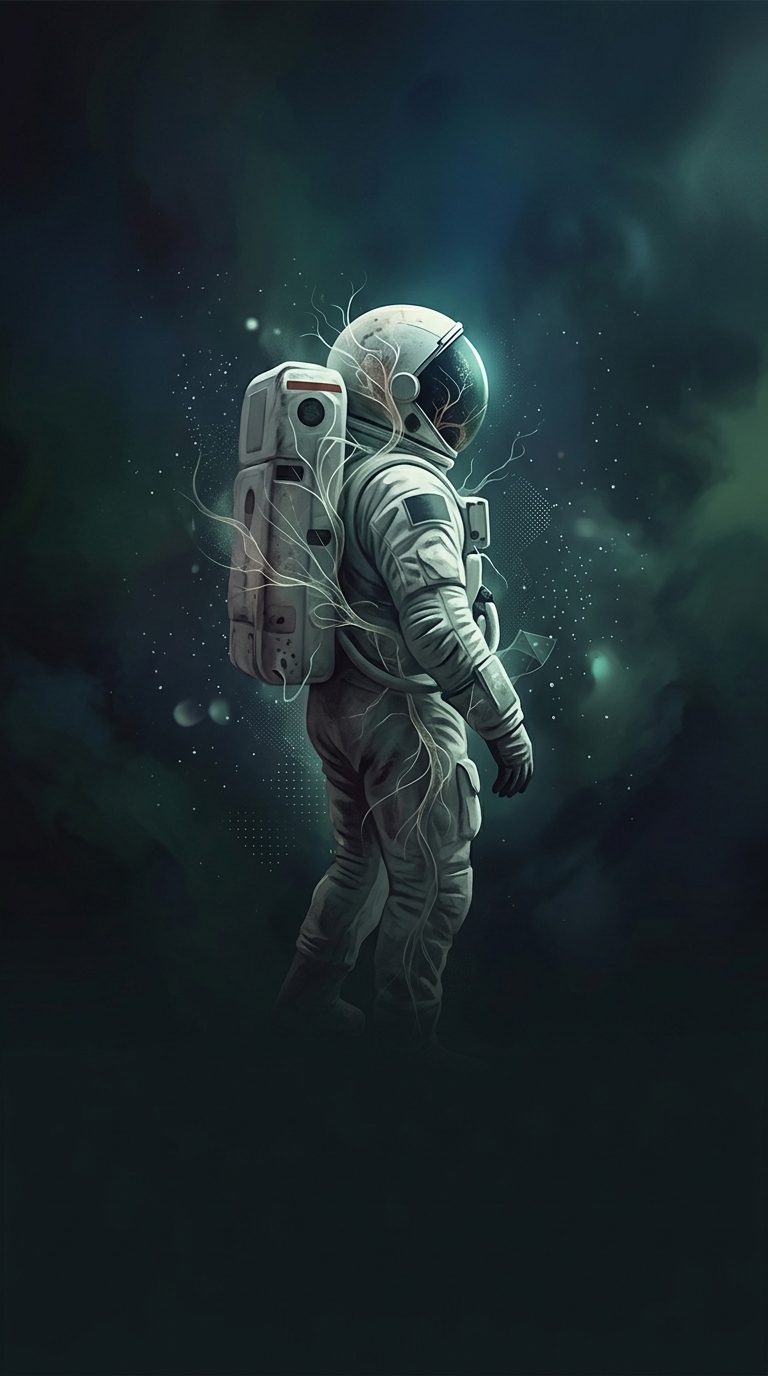
After months in microgravity, some astronauts develop changes in the shape of the eye that can blur their vision. The eyeball may flatten slightly at the back, and the optic nerve—the cable that carries visual signals from the eye to the brain—may swell near where it enters the eye. These changes are part of a condition known as spaceflight-associated neuro-ocular syndrome, or SANS.
How Weightlessness Affects the Eye
On Earth, gravity helps pull body fluids toward the lower half of the body. In orbit, that downward pull is largely absent, so fluid shifts toward the chest and head. The resulting pressure and fluid changes around the eye can alter its structure and interfere with focusing, especially for nearby objects.
The change is not the eye “popping out,” and it does not happen to every astronaut. But it can be more than a temporary nuisance: some astronauts have returned with vision changes that persist, even as other effects of spaceflight improve.
A Physical Cost of Long Missions
The eye’s shape is only one part of the problem. Researchers monitor astronauts’ vision and eye structures because a lasting change could affect reading instruments, operating equipment, or performing other close-up tasks in space. The striking takeaway is that weightlessness can reshape a delicate organ without any impact or injury—the body’s fluids move, and the eye responds.