
A closer look
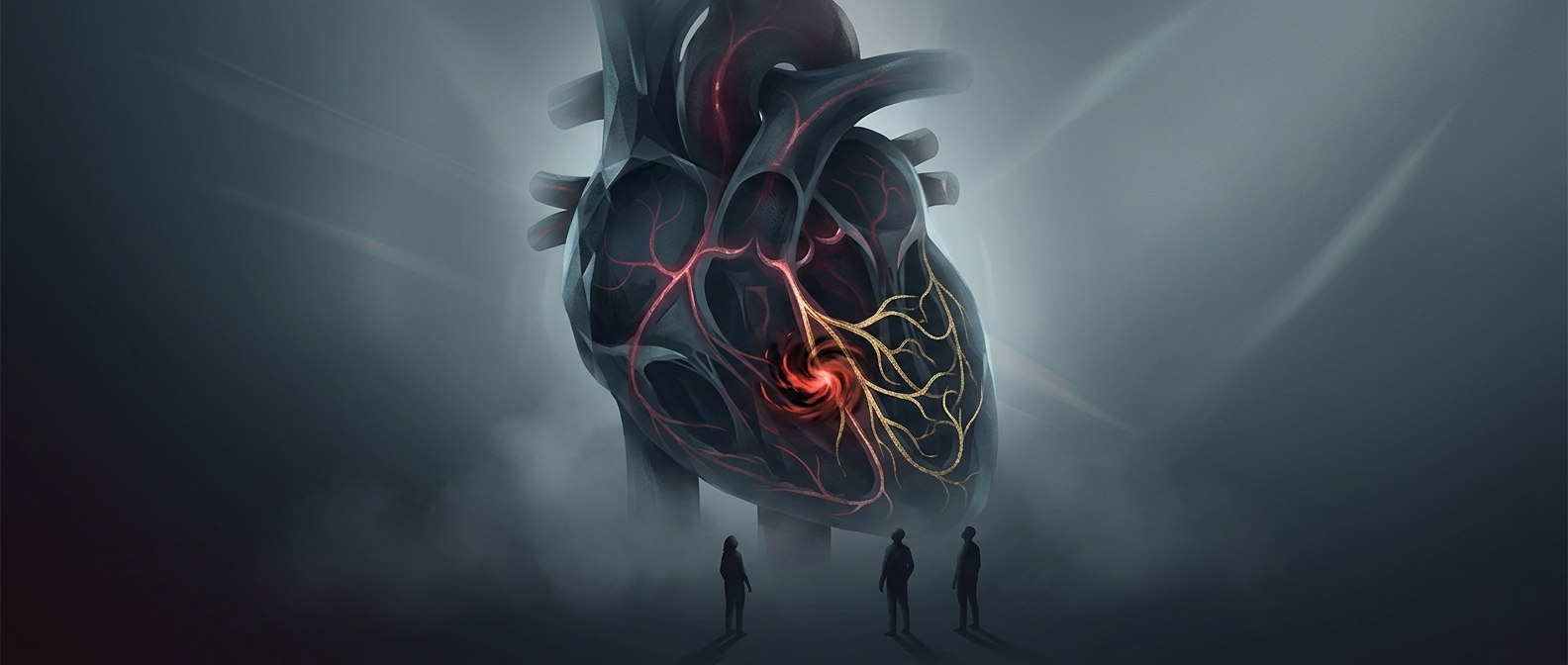
Extended periods of microgravity in space cause the human heart to lose muscle mass and transform from an oval shape into a more spherical configuration. NASA cardiologists discovered this by studying ultrasound images of astronauts' hearts, finding that the organ shrinks and rounds out because it no longer has to pump blood against the constant downward force of Earth's gravity. Your cardiovascular system is so incredibly lazy that the second it escapes the planet's gravitational pull, it immediately stops doing the hard work and literally cuts corners to become a floating orb of minimum effort. We spend our entire lives romanticizing the heart as this resilient engine of human endurance, but launch it into orbit and it instantly chooses the path of least resistance like a disgruntled employee working from home. Welcome to the future of space exploration, where your organs just give up on physics