Why the spine lengthens in orbit
The change is not caused by the absence of atmospheric pressure. It happens because a spine in microgravity is no longer being compressed by the body’s weight in the familiar way.
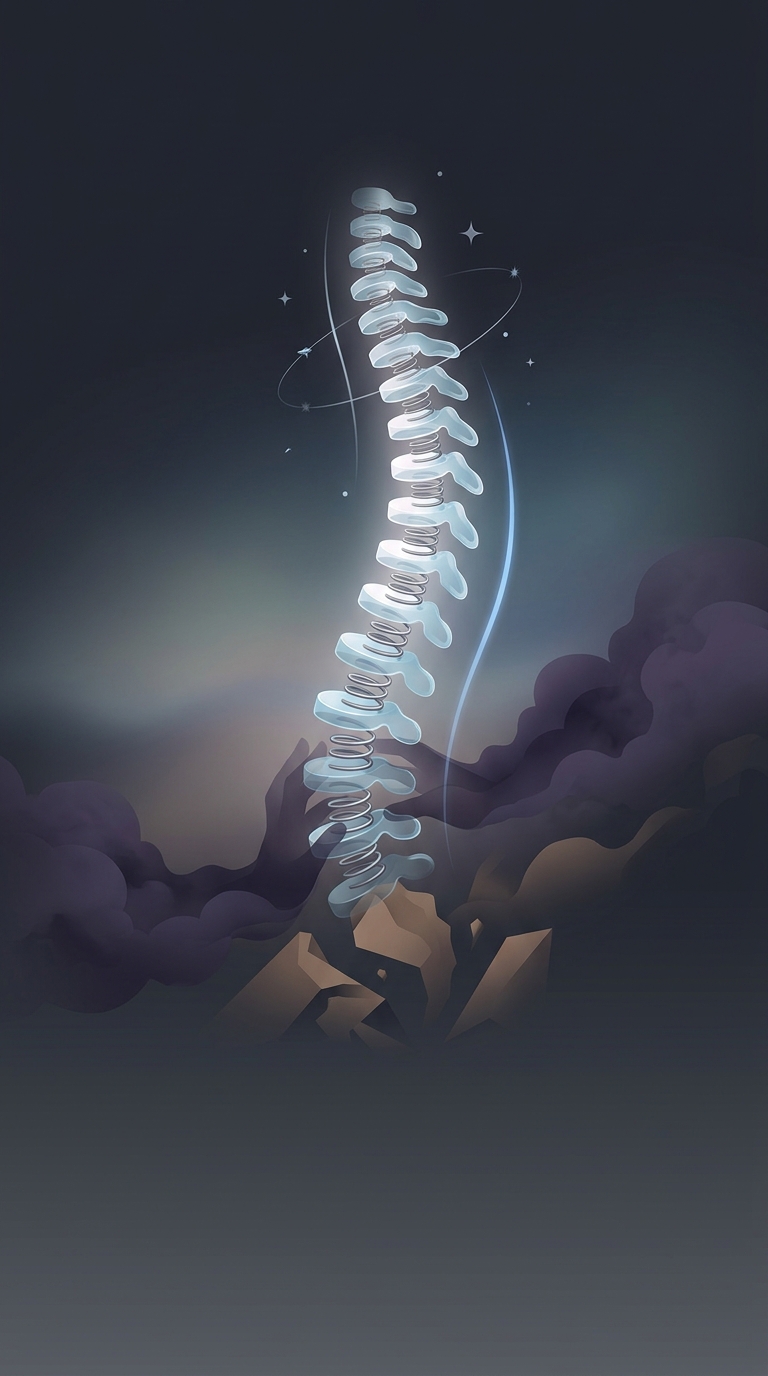
The spine is a stack of bones separated by intervertebral discs: tough outer rings surrounding softer, water-rich centers. On Earth, gravity and ordinary movement load these discs throughout the day. In orbit, that steady downward load is greatly reduced, letting the discs spread and the spine lengthen. Astronauts can therefore measure taller after time in space—sometimes by as much as about two inches.
The same change can make the back hurt
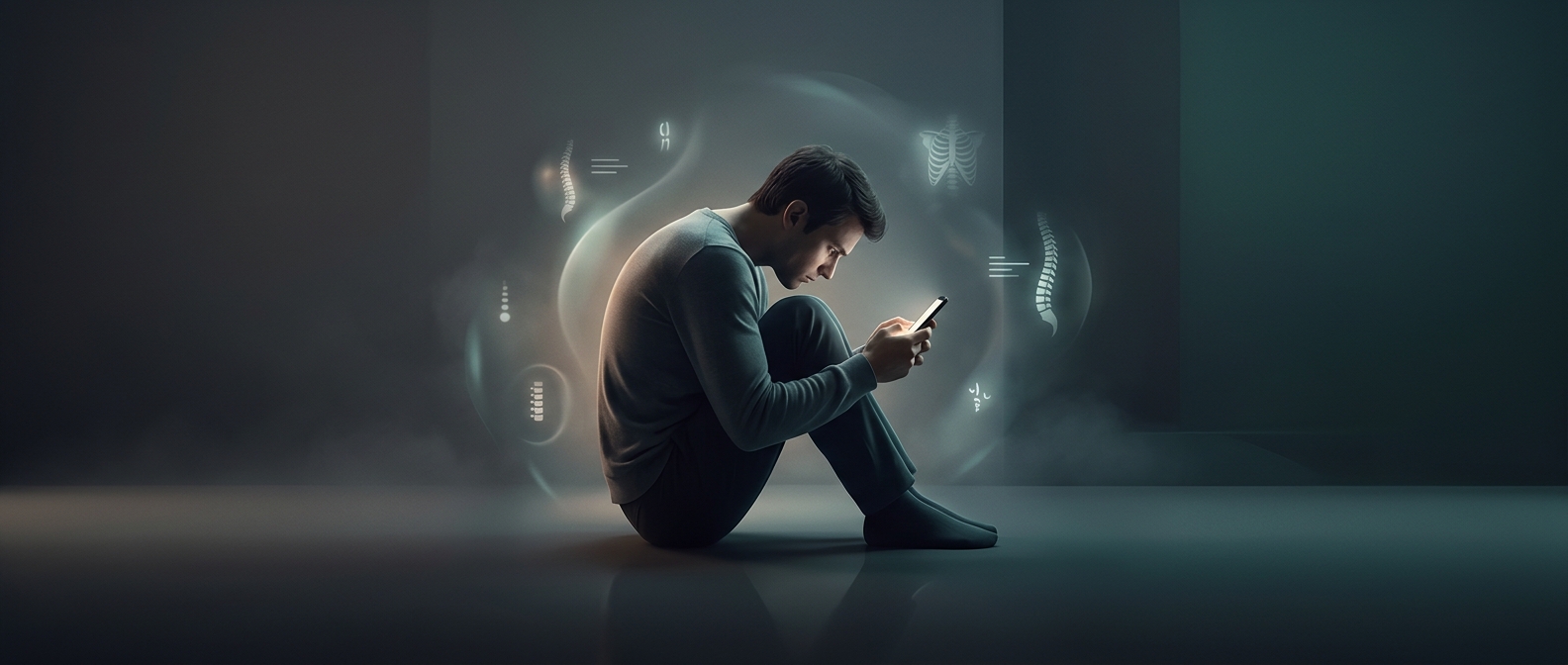
Lengthening is not simply a comfortable stretch. The spine and the muscles and other tissues that support it adapt to Earth’s usual loading. When the spine extends in microgravity, those tissues are placed under different tension, and astronauts commonly experience back discomfort. The exact cause of an individual’s pain can vary; it is not just a matter of the discs expanding like balloons.
A useful comparison is the small height change many people experience between morning and evening. After hours upright, spinal discs have been loaded and lose some fluid; after lying down overnight, they recover some of that height. Orbit makes the unloading much more sustained, so the change can be more pronounced.
Earth reverses the effect
After landing, gravity resumes compressing the spine, and the added height generally fades over the following days. The return to normal loading can also bring discomfort as the back readjusts. A tape measure captures the visible result, but the underlying story is a temporary shift in how the spine bears weight—not a permanent change to its bones.