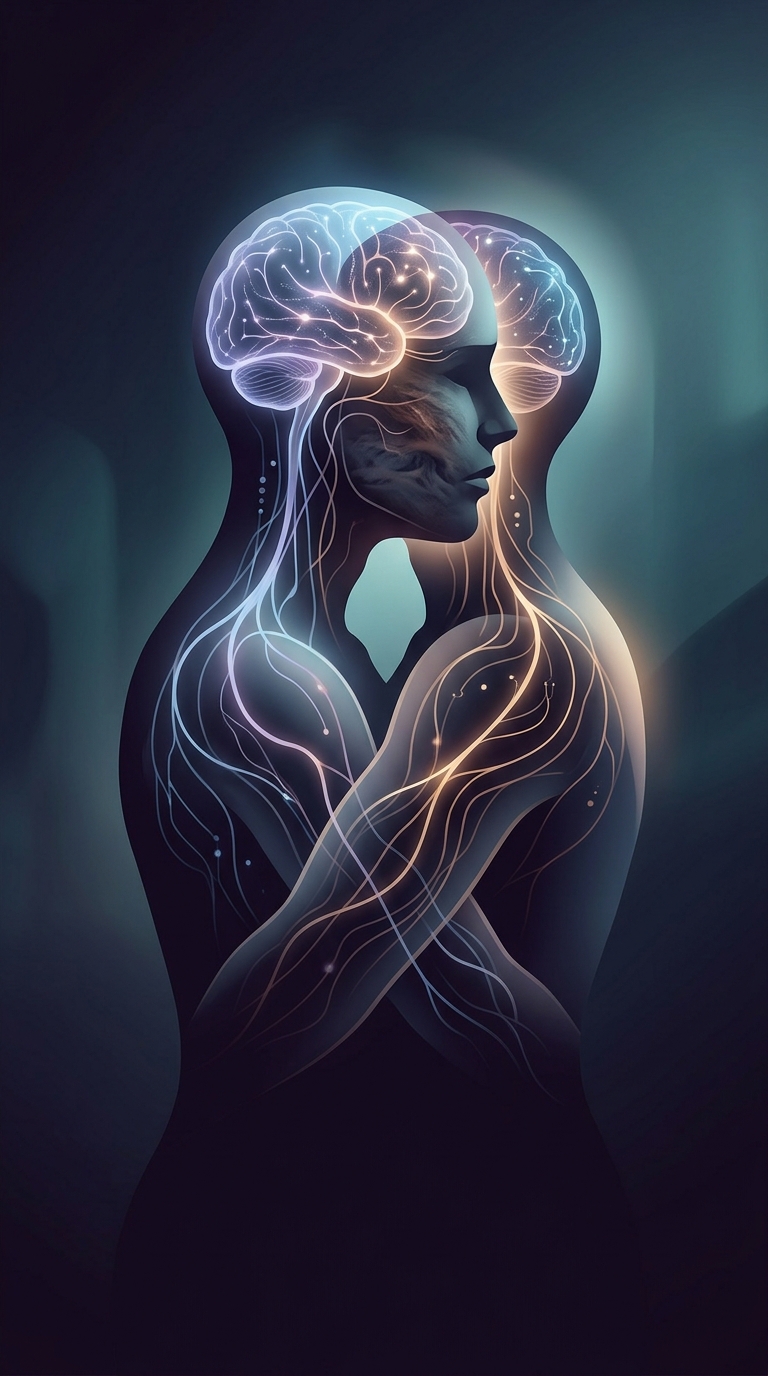
Why Long-Term Couples Can Seem to Grow More Alike
There is no known biological process that makes romantic partners’ faces converge until they become identical. The resemblance people notice is better explained by a mix of similarities that were already there, shared experience, and how observers read faces.
Similarity Often Starts at the Beginning
People tend to choose partners whose appearance feels familiar or appealing to them. That can mean couples already share some features—such as age, background, or broad facial characteristics—before their relationship begins. Years later, those starting similarities can be easy to mistake for changes caused by time together.
A Shared Life Can Leave Some of the Same Marks
Partners often spend time in the same places and develop overlapping routines. Sun exposure, diet, activity, and patterns of facial expression can all affect how a face looks over time. Repeated expressions may contribute to lines, while changes in weight or skin can alter facial contours. These influences can make two people look more alike in some respects, but they do not reshape their faces into matching copies.
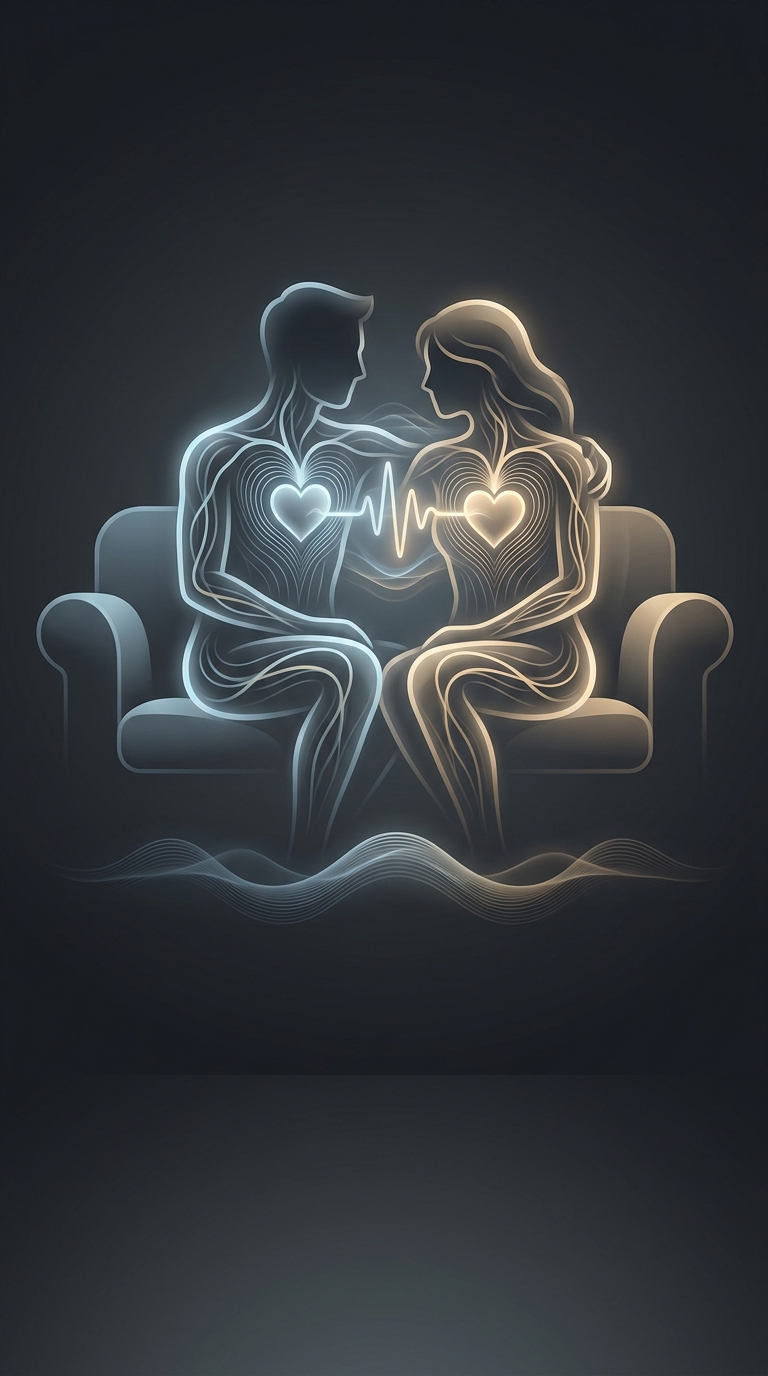
Couples may also unconsciously mirror each other’s expressions and mannerisms. That can create a sense of likeness in motion—especially when they smile or react together—even if their underlying facial structures remain distinct.
Familiarity Changes What We Notice
A partner’s face becomes deeply familiar, and observers may focus on expressions, posture, or small features that the couple appears to share. Once someone expects long-married partners to look alike, ordinary similarities can stand out while differences fade into the background.
So the striking impression is not evidence that love synchronizes facial biology. It is more plausibly the visible result of similar starting points, a life lived side by side, and a viewer’s tendency to recognize a pair as a pair.