How Two Bodies Can Fall Into Rhythm
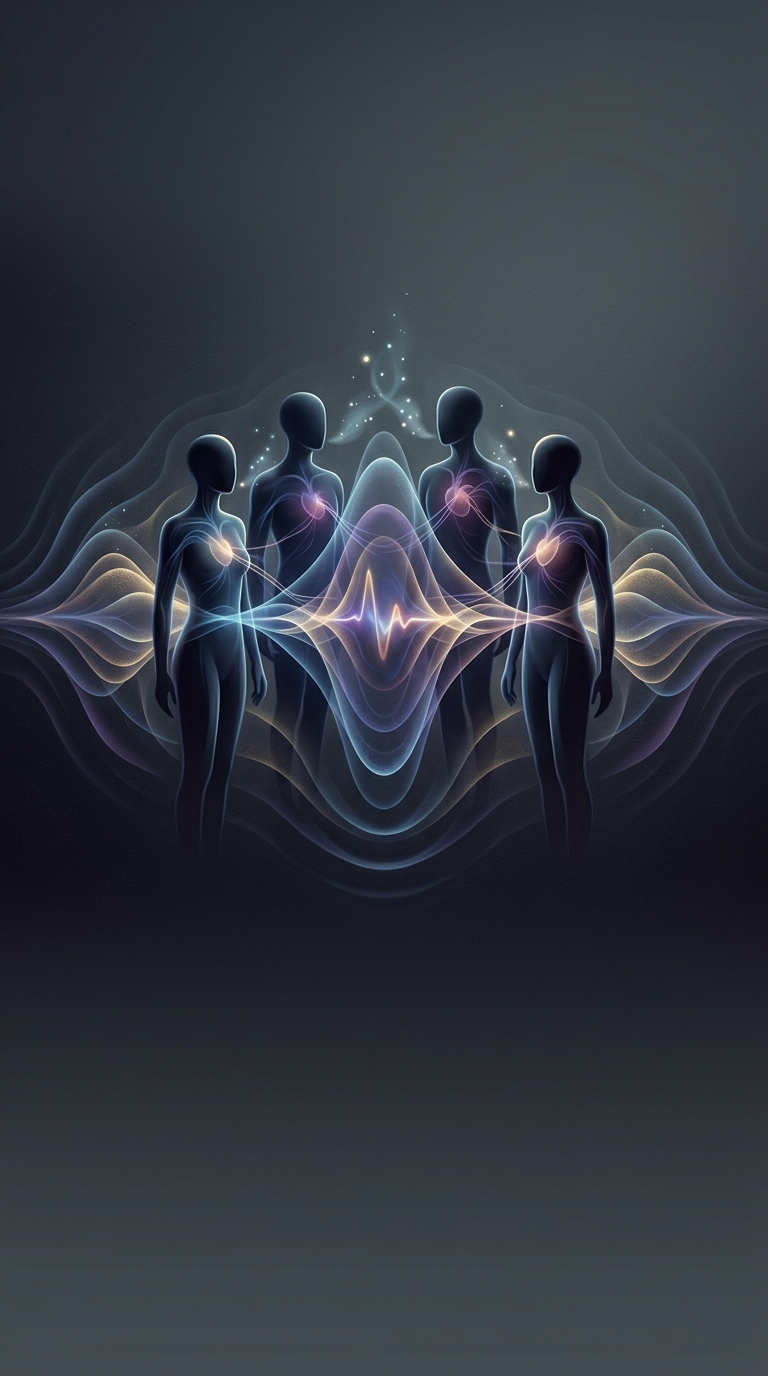
When people sit close and settle into a quiet moment, their bodies may begin to show similar changes in heart rate and breathing. This is called physiological synchrony: bodily signals rise and fall in related patterns over time. It does not mean the two people have identical pulse rates or that their hearts literally beat as one.
Small Cues Create a Feedback Loop
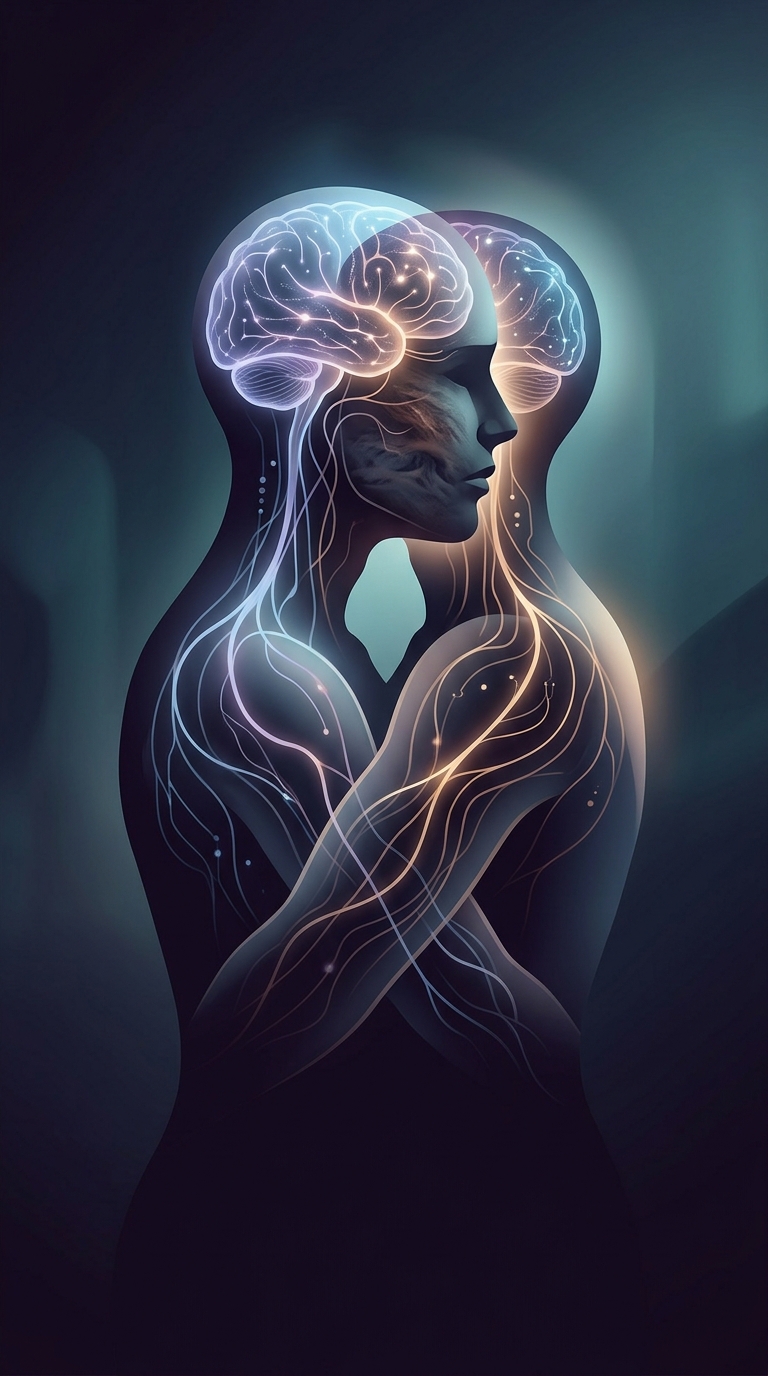
The autonomic nervous system regulates functions such as heartbeat and breathing without conscious effort. It also responds to what is happening around us. A touch, a shift in posture, or the sight and sound of a partner’s breathing can subtly affect attention, muscle tension, and arousal. Each person’s body adjusts in response, and those adjustments can become cues for the other.
Breathing is part of the link. As a person inhales and exhales, the balance of signals that influence the heart changes slightly, so heart rate naturally fluctuates with the breath. If two people begin breathing in a similar pattern—or respond to the same calming moment—their heart-rate patterns may grow more alike as well.
Coordination, Not a Shared Heartbeat
This alignment is a changing response to shared cues, not a permanent bond or a conscious decision. The patterns can move together for a while and then diverge as either person shifts, speaks, or becomes more alert. Closeness and social connection can provide the conditions for that coordination, but the effect is subtle: two separate nervous systems responding to one another, moment by moment.