What hormonal birth control changes
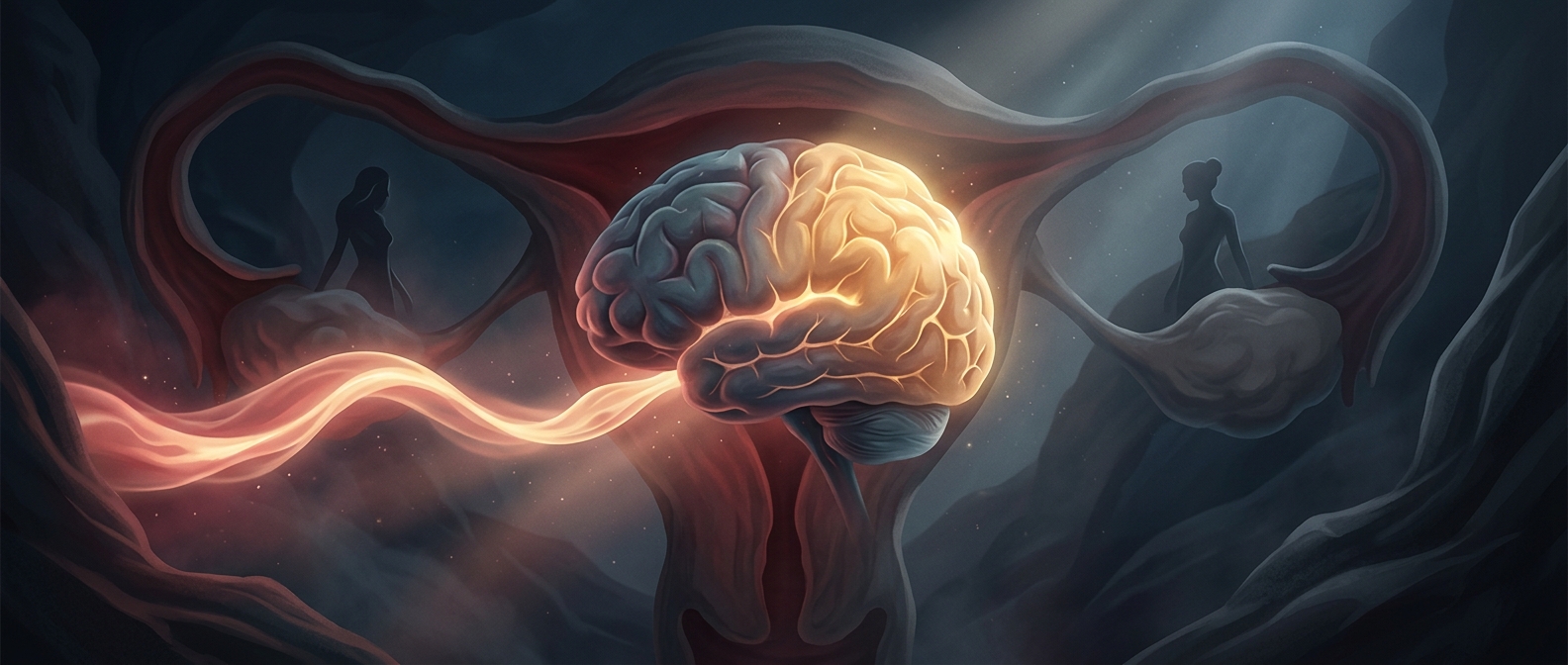
Many hormonal contraceptives prevent pregnancy by suppressing ovulation, the release of an egg. They also alter the body’s usual pattern of reproductive hormones. That has led researchers to ask whether contraception might change attraction or partner preferences that fluctuate across the menstrual cycle.
The proposed link is indirect: if hormone shifts influence what someone finds appealing at different points in a cycle, flattening those shifts could alter those preferences. But a possible influence on attraction is not the same as changing someone’s ability to recognize a compatible partner.
A preference is not a relationship outcome
Studies in this area have examined different things, including ratings of faces, attraction, and relationship satisfaction. Results have not established a reliable effect that predicts whom a person will choose or whether a relationship will succeed. Findings can depend on the people studied, the contraceptive used, and how preference is measured.
That distinction matters. A rating in a study is not a real-world decision shaped by shared values, trust, timing, and experience. Nor does finding a difference in preferences show that contraception caused someone to make a worse choice.
Why “sabotage” overstates the evidence
Hormonal birth control can affect people differently, and someone who notices changes in mood, desire, or attraction can discuss them with a clinician. But there is no sound basis for treating contraception as a hidden switch that steers women toward the wrong partner. The more accurate takeaway is narrower: hormones may be one influence on attraction, while the claim that birth control sabotages partner choice remains unproven.