How prolactin prepares the breast to make milk
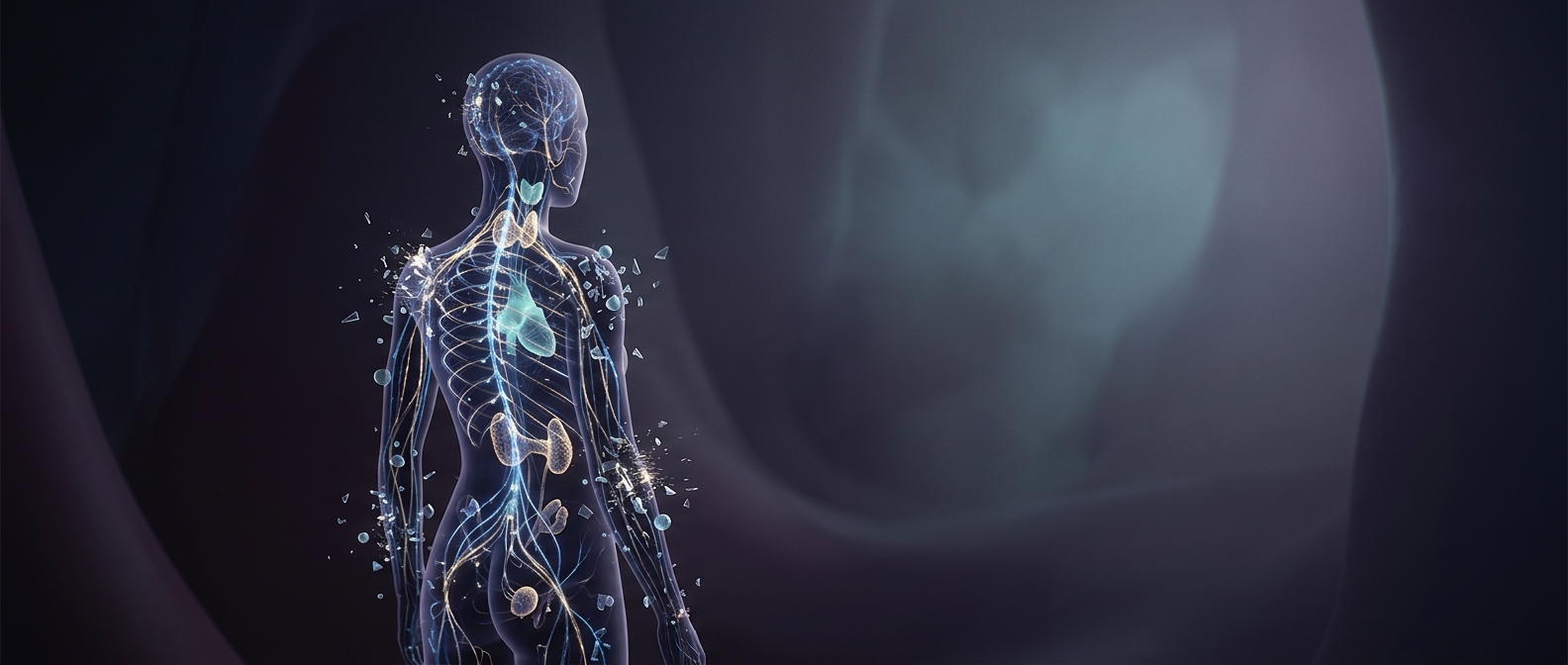
During pregnancy, rising prolactin helps the breast’s milk-making cells develop, but other pregnancy hormones keep full milk production limited. After birth, the placenta is delivered and those hormone levels fall. Prolactin can then drive a stronger start to milk synthesis.
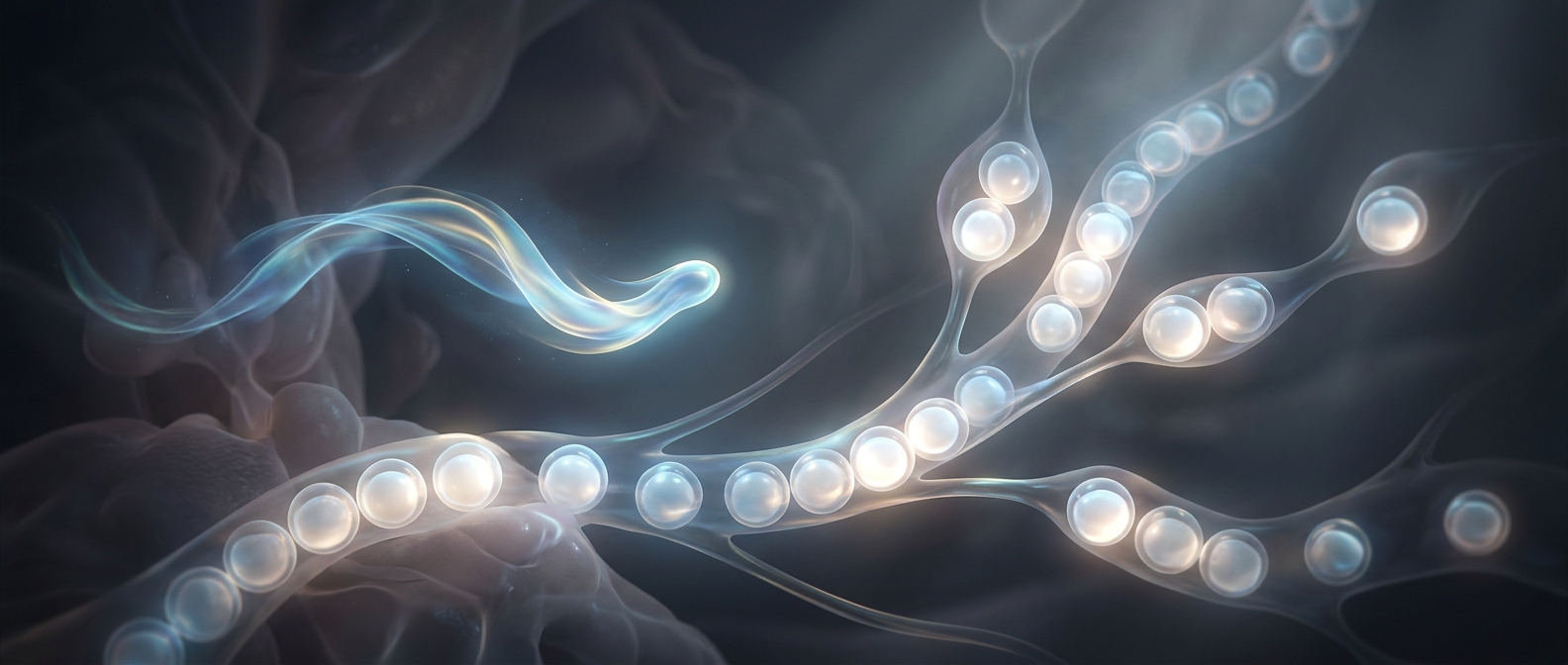
Milk is made in tiny sacs called alveoli, where specialized cells take up nutrients from the blood and turn them into milk. Prolactin acts on these cells to support that production. As milk is removed, the breast receives a signal to make more; regular feeding or pumping helps sustain the cycle.
Making milk is not the same as releasing it
A baby’s suckling triggers two related but distinct responses. Prolactin supports the making of milk, while oxytocin—the “let-down” signal—causes muscle-like cells around the alveoli to contract and push milk into ducts, where it can flow toward the nipple.
That separation explains why milk can be present without flowing immediately, and why a let-down can occur even as the breast continues making more. One signal builds the supply; another moves it out.