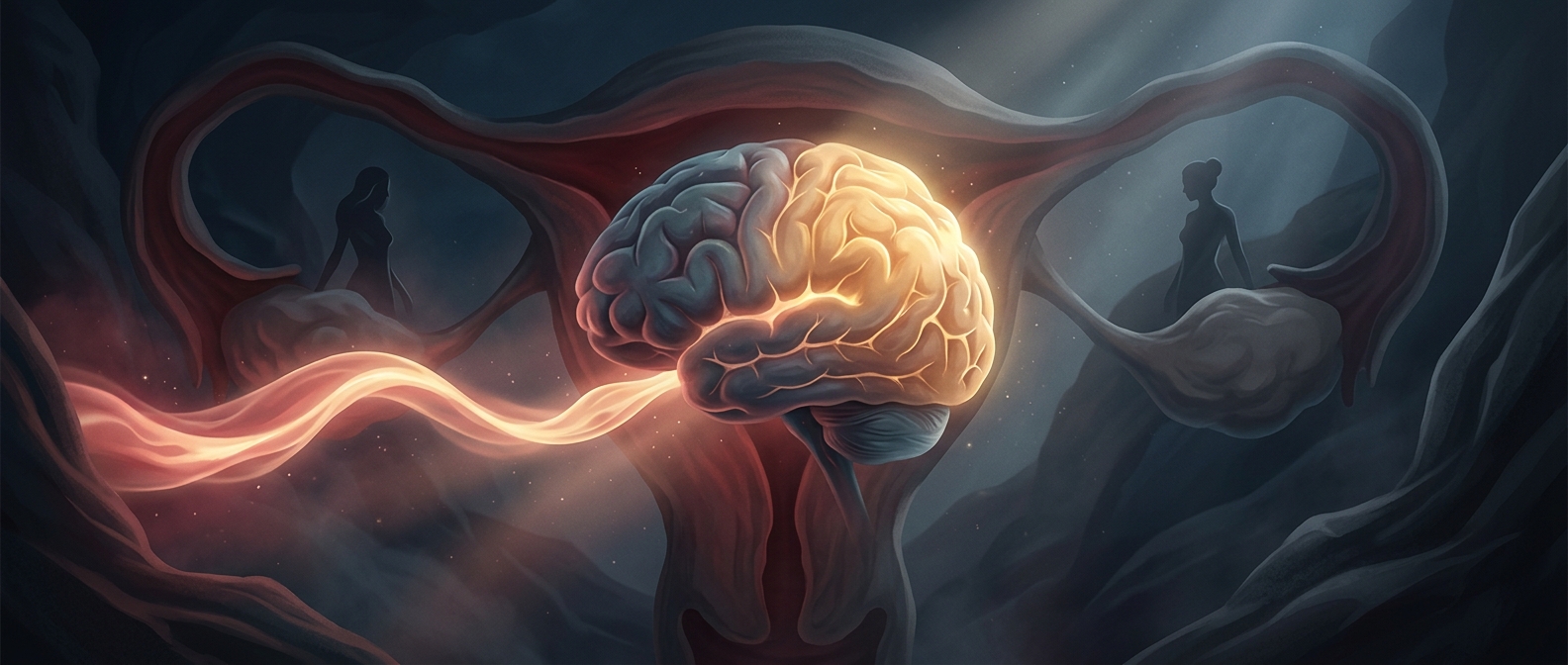
How a chemical message reaches another animal
A pheromone is a chemical released by one member of a species that can change another member’s behavior or bodily state. It may leave the body in urine, secretions, or other odors. A receiver detects it with smell-related sensory cells, which send signals to the brain. Depending on the species and chemical, the result might be a mating response, a warning, or a shift in reproductive physiology.
That response can happen without the receiver identifying the chemical or deciding to react. But “beneath awareness” does not mean every pheromone is literally odorless: some are carried in smells an animal can notice, while the biological effect depends on what its sensory system does with the signal. Pheromones are not a universal chemical language; their effects are tied to the biology of the species that sends and receives them.
Why the animal story does not establish human pheromones
In some animals, specialized smell pathways connect particular chemical cues to reliable responses. Human social behavior is far more context-dependent, and a smell that shifts someone’s mood or attention would not, by itself, qualify as a pheromone. To establish one, researchers would need to identify a human-produced chemical and show that it reliably causes a specific response in other people—not merely that people react to an odor.
Human body odors can carry information, and people can respond to them without consciously naming what they smell. That is different from showing that a hidden chemical signal steers choices or attraction. The key distinction is between an odor that may influence a person and a proven pheromone with a defined, repeatable effect.