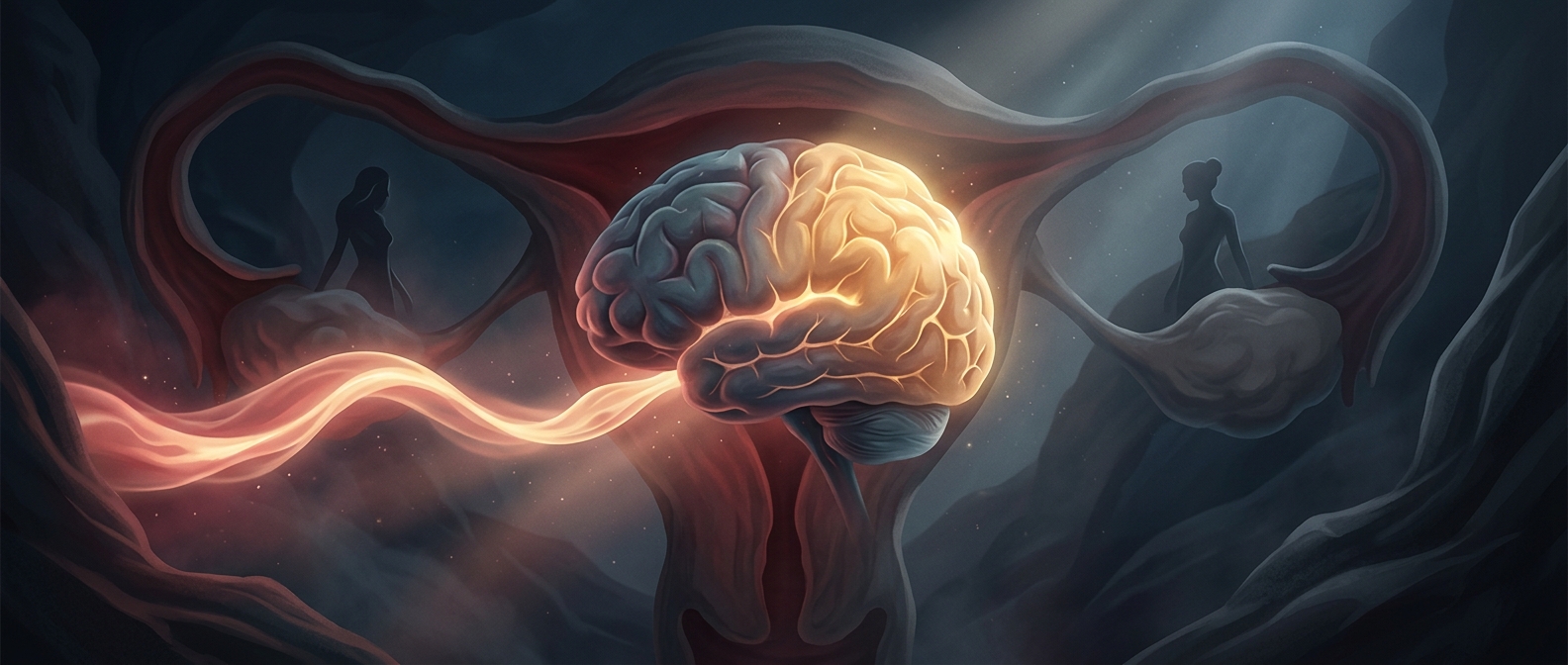
When fuel falls short, bone building can slow
A teenager’s body has to cover more than the energy used in practice. It also needs fuel for growth, temperature regulation, immune function, and the constant work of replacing old bone with new. If too little energy remains after training, the body can conserve resources by dialing back processes that are not immediately essential—including reproductive hormone production. In girls, this may show up as irregular or absent periods; hormonal changes can also occur without an obvious warning sign.
That pattern is sometimes called low energy availability: too little dietary energy is left to support the body’s needs after exercise. It can happen unintentionally during heavy training, especially when busy schedules, appetite, or restrictive eating make it hard to keep up with energy demands.
Why adolescence makes the shortfall matter
Bone is living tissue, continually broken down and rebuilt. During adolescence, the body is still adding substantial bone mass, creating a reserve that helps support the skeleton later in life. When hormonal signals and energy are insufficient, bone formation may lag behind breakdown. Meanwhile, each running stride, jump, or landing still sends force through the skeleton. Repeated loading on bone that is not rebuilding adequately can lead to a stress injury—a small area of damage caused by repeated strain rather than one dramatic impact.
A stress fracture can sideline an athlete, but the concern is broader than a single injury: missed opportunities to build bone during growth may leave less reserve. The risk depends on the athlete’s overall health and training, not on one hard workout or one missed meal.
The useful signal is the pattern
Persistent fatigue, declining performance, repeated injuries, or changes in menstrual cycles can be reasons to look beyond training technique alone. Coaches, families, and clinicians may need to consider whether the athlete is eating enough for both practice and growth. Training builds bone only when the body has the resources to repair and adapt to it.