How a game makes light look solid
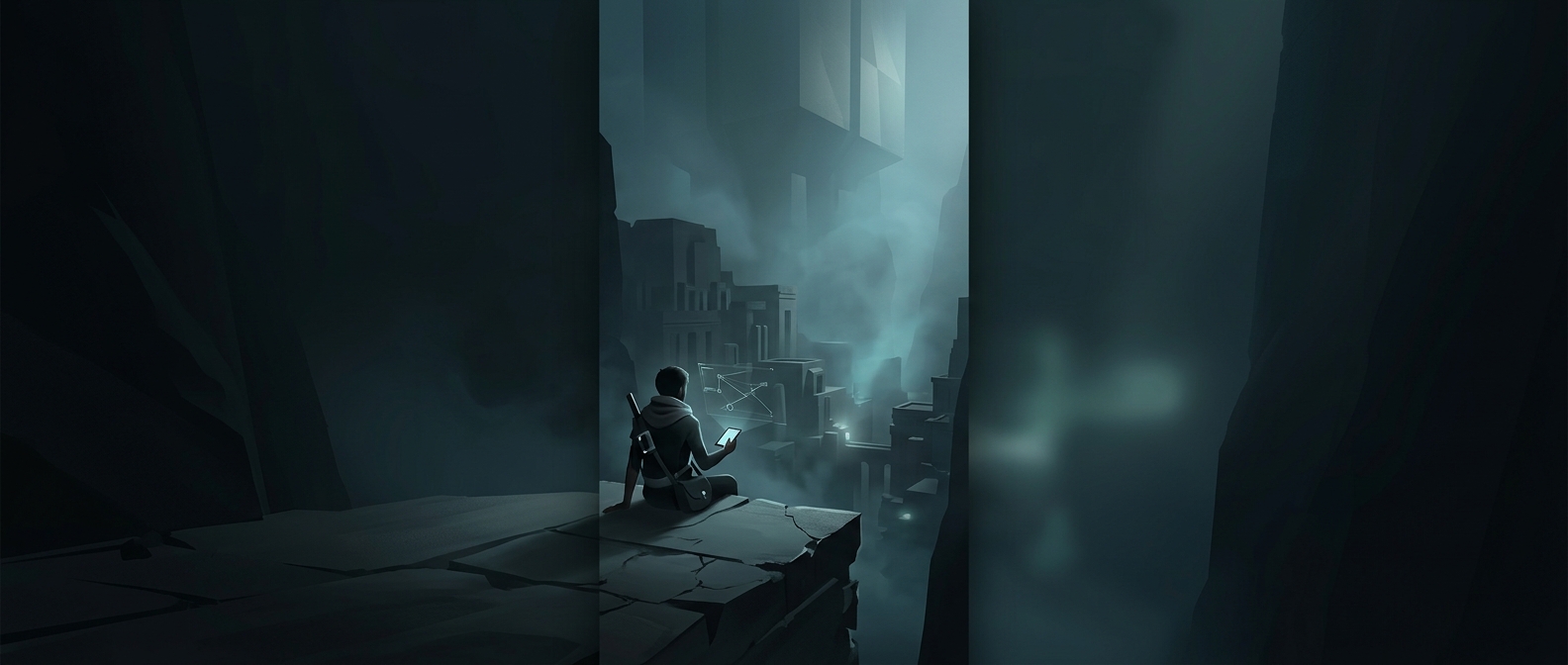
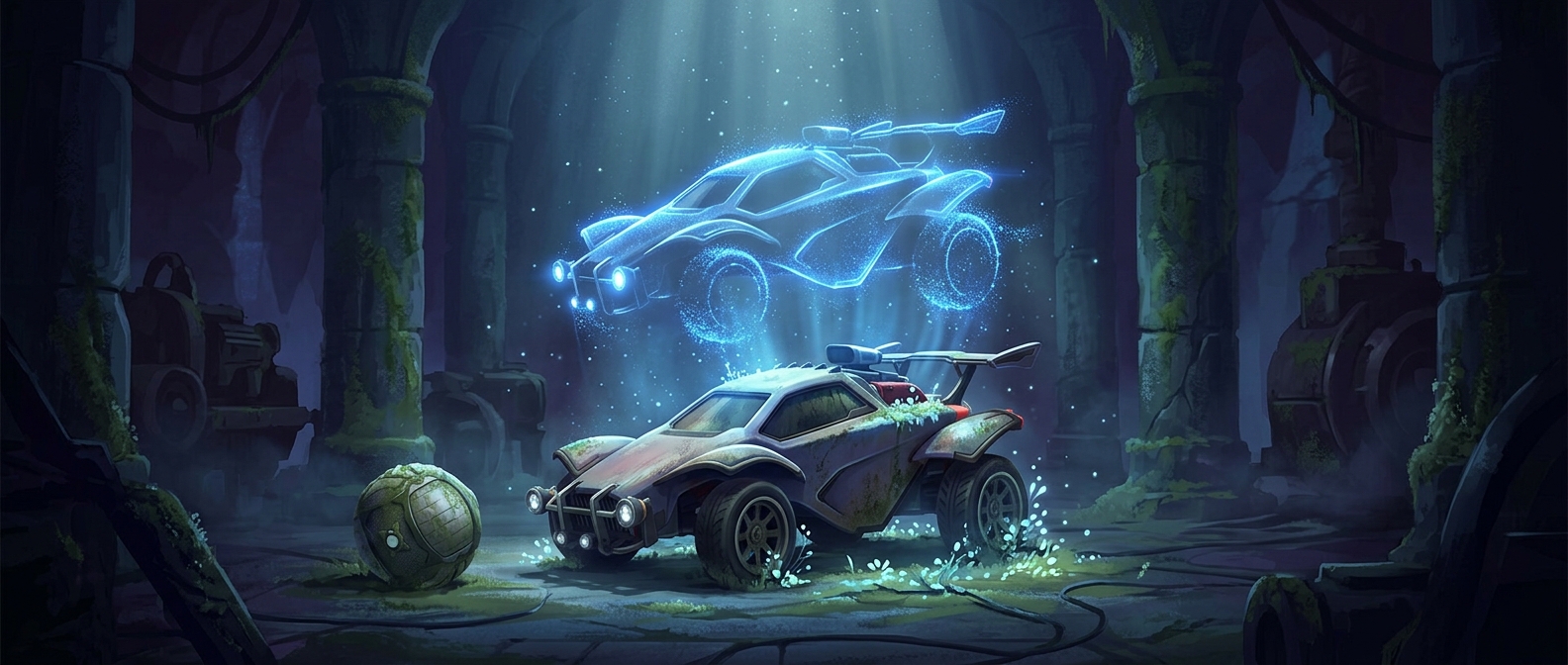
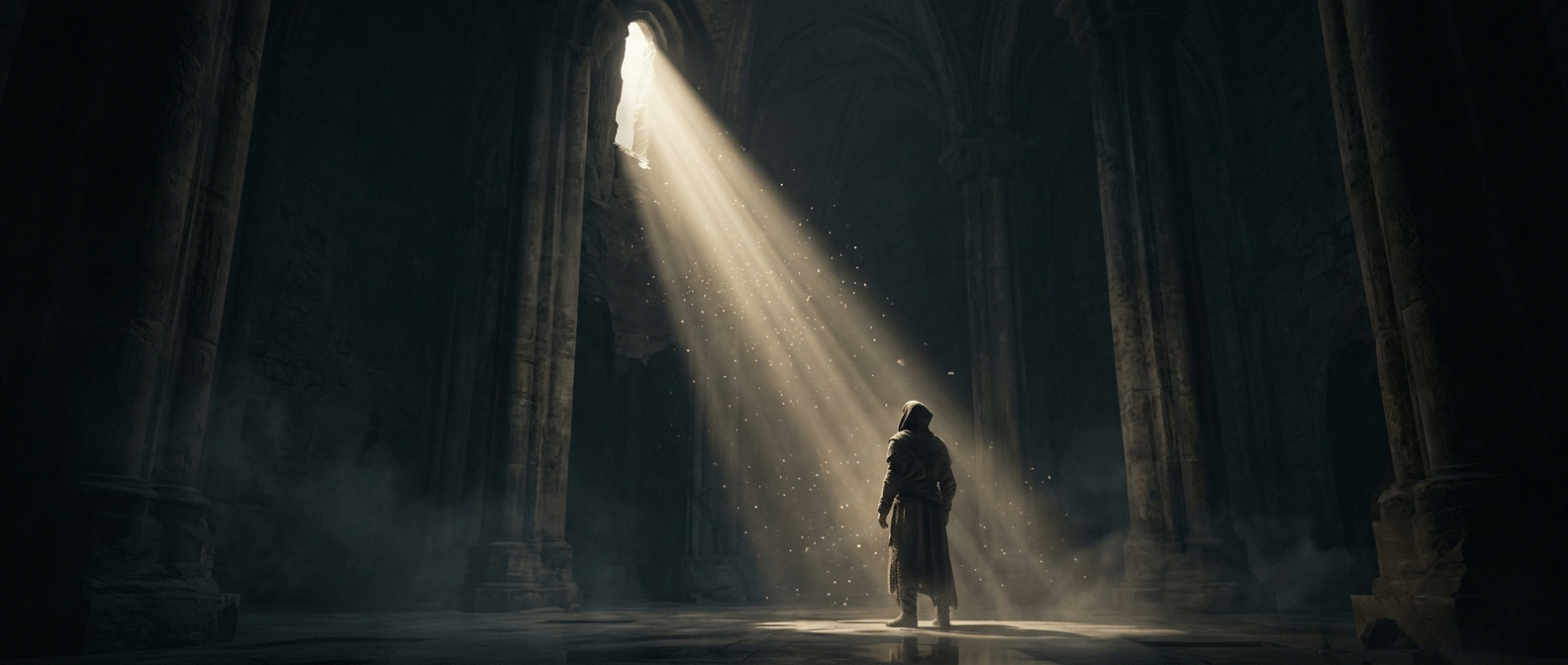
In an ordinary room, a beam from a flashlight is hard to see from the side unless dust, smoke, or mist scatters some of its light toward your eyes. A game has no real particles in the air, so it creates the same visual cue mathematically: volumetric lighting—a technique that estimates how light would spread through a volume of space.
The renderer checks the space between a light source and the camera, often in small steps. At each step, it estimates how much light would scatter toward the viewer and how much would be absorbed or blocked. Adding those contributions produces a visible shaft, especially where it crosses a darker background or passes through a window.
Why the effect costs extra
A flat surface can often be shaded by asking how light hits that surface. A light beam requires considering many points in the air as well, then combining their contributions with the scene’s existing lighting. The more space, light sources, and detail the game evaluates, the more work the graphics processor must do.
Games use shortcuts to keep that work manageable. They may calculate the effect at lower resolution, limit how far it extends, or reserve it for a few prominent lights. Those choices can soften the beam or make it disappear at a distance, but they help preserve the frame rate.
Dust the player never sees
The “dust” is usually not a cloud of individually modeled specks. It is an imagined medium whose scattering is estimated across the beam’s path. That lets a sunbeam through a broken roof or a flashlight in a dark corridor read as occupying real space—without filling the room with tiny particles the game would have to draw one by one.