Training Could Reduce Fear, Not Remove It
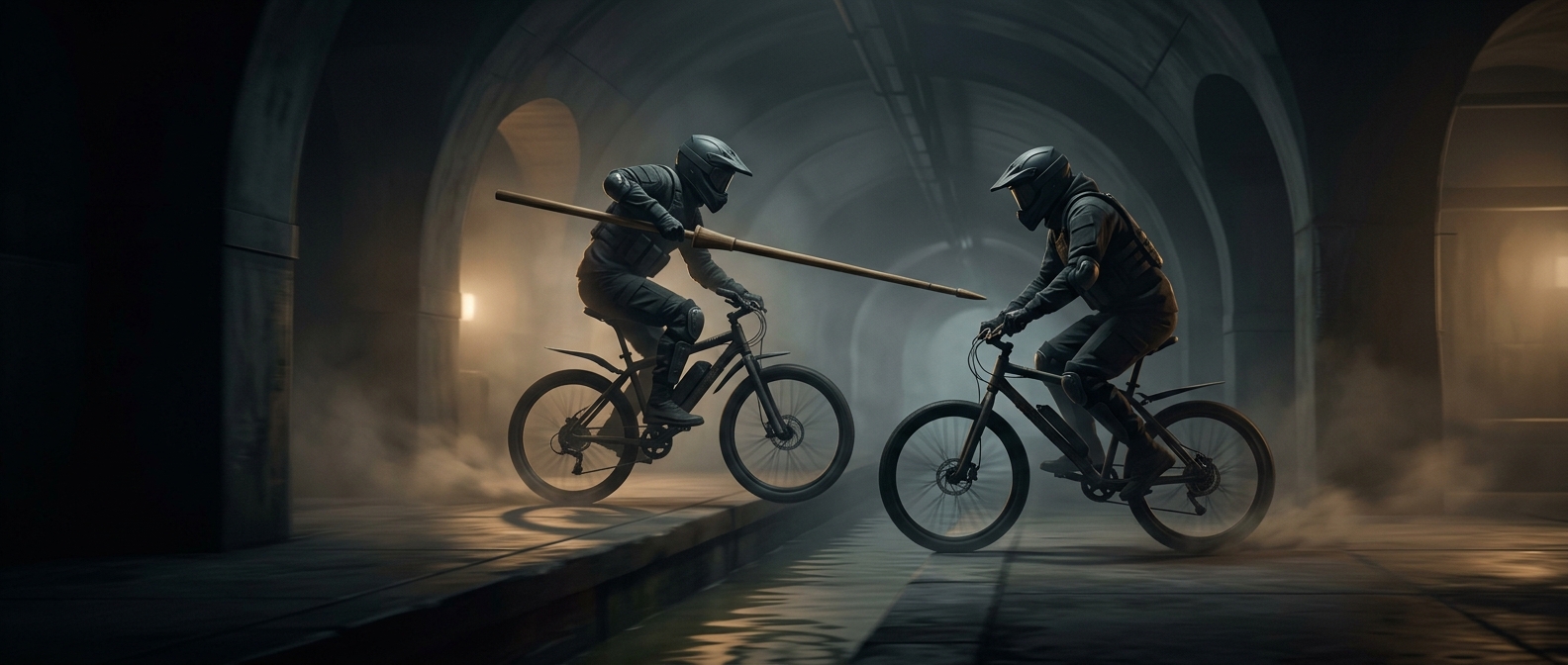
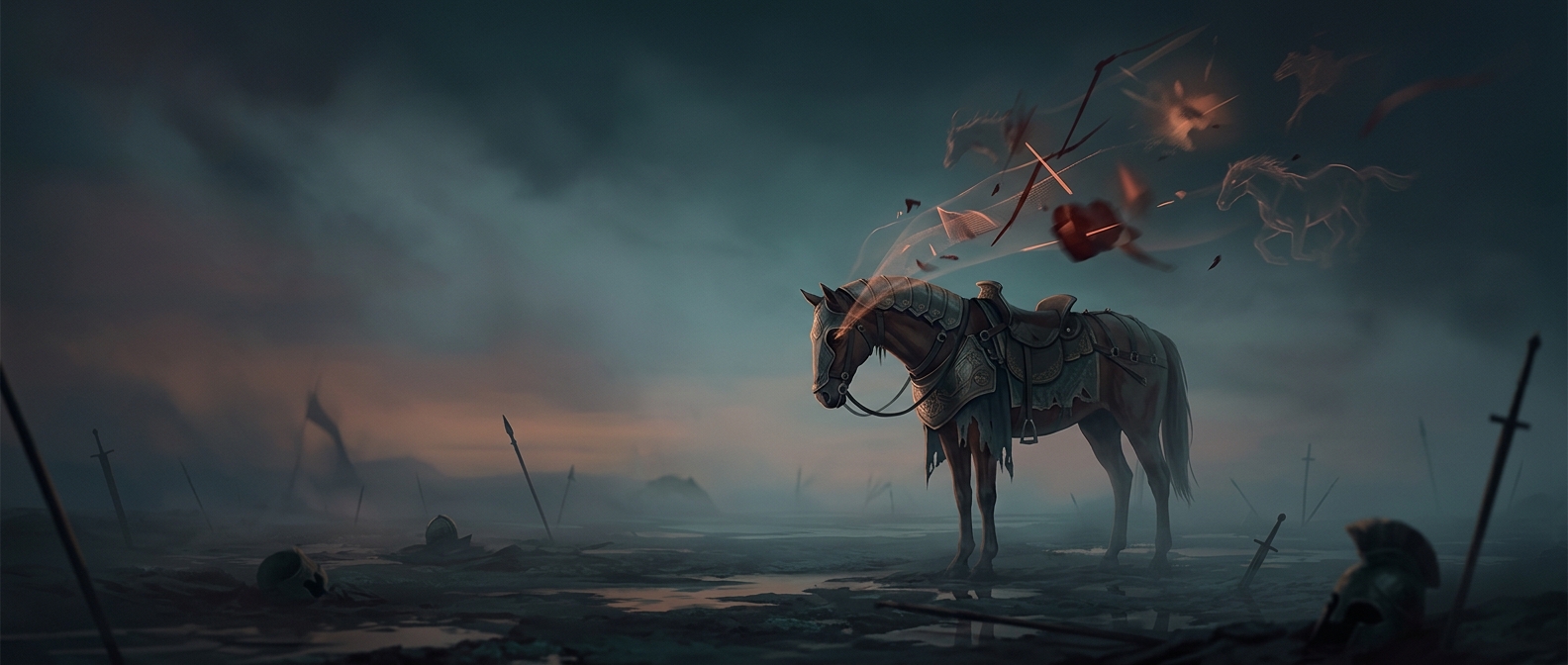
A warhorse was not simply an ordinary riding horse taken into danger. It could be accustomed to weapons, shouting, and movement through training, so the sights and sounds of combat were less unfamiliar. But training could not make an animal immune to a cannon blast, a sudden collision, or pain. Horses startle because rapid movement away from a possible threat is a basic survival response; a mount might shy sideways, rear, bolt, or refuse to advance.
That reaction mattered because a rider’s control was never absolute. The rider gave cues through the reins, legs, and body, but those signals had to compete with the horse’s immediate response to danger. In a press of people and animals, even a brief sideways jump could knock another horse out of line or leave its rider exposed.
One Horse’s Panic Could Disrupt a Formation
Cavalry relied on groups moving together. A formation could deliver a coordinated charge or keep its riders close enough to support one another. If one horse turned or surged away, nearby mounts might react too, while gaps opened in the line. The danger was not only that a rider could be thrown; a frightened animal could carry its rider into opposing troops or away from the unit.
Commanders therefore had to weigh a horse’s speed and force against the uncertainty of directing a living animal through chaos. Terrain, noise, fatigue, and the behavior of nearby horses could all affect whether a trained mount held its course. In battle, the rider was not steering a vehicle that obeyed every input: they were trying to guide a powerful animal whose attention could abruptly shift to staying alive.