Why a Hit Can Tip a Rider
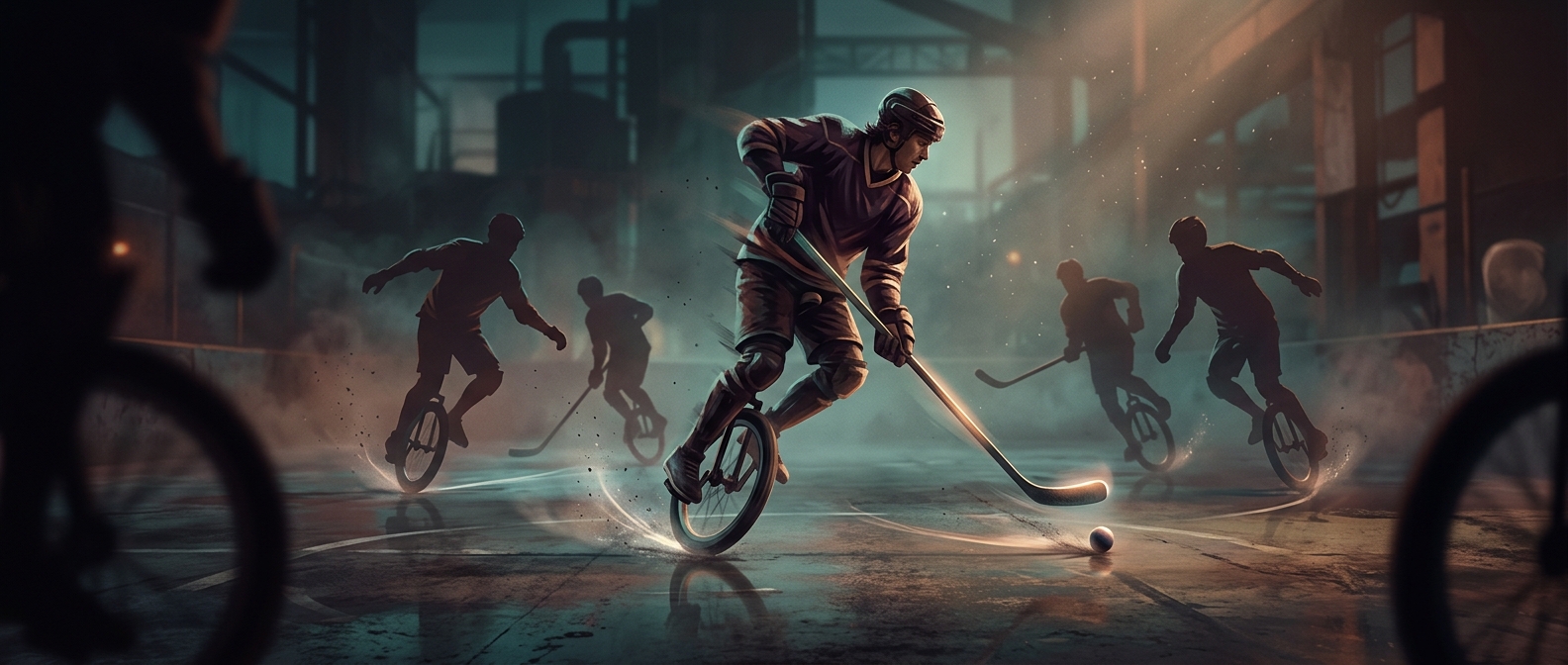
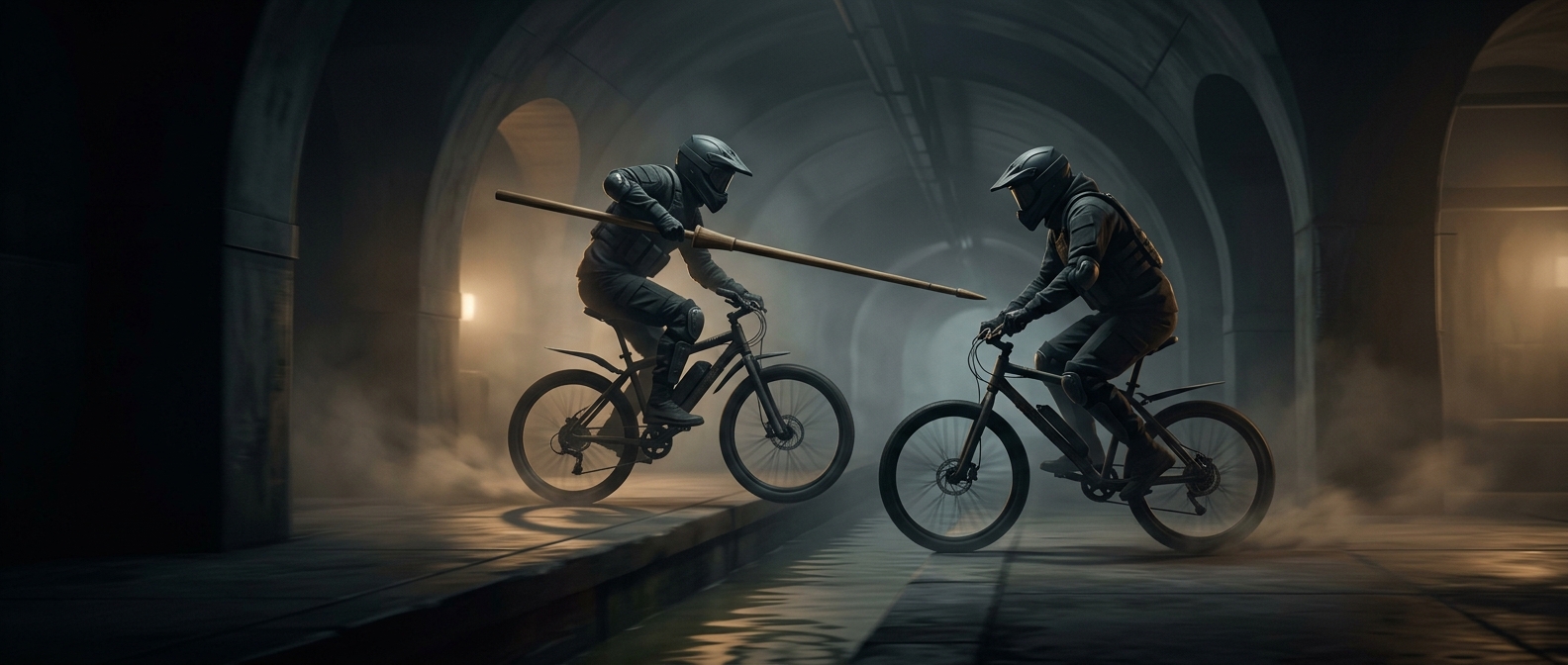
Bicycle jousting turns a familiar balancing act into a moving collision. A rider stays upright by continually making tiny steering adjustments: the front wheel shifts under the body, helping keep the combined rider-and-bike balance over the narrow line of the tires. While charging toward an opponent, there is little time to correct a wobble.
The long pole makes the contest harder. Because the force lands far from the rider’s body, even a modest sideways impact can create a strong turning force, twisting the rider or bike off course. The goal is not simply to land a blow; it is to send the other rider beyond the point where a quick steering correction can save the balance.
The Ride Is Part of the Contest
A rider also has to manage speed and aim while holding a pole instead of using both hands freely to steer. The approach, the moment of contact, and the recovery all matter. A hit that looks powerful may leave its target upright, while a well-timed strike can disrupt the opponent’s balance just enough to make the next correction impossible.
That is the sport’s central engineering tradeoff: the pole extends a rider’s reach, but also magnifies the consequences of a bad angle or mistimed contact. The wheels keep moving beneath the duel, so the contest is decided not only by who connects, but by who can keep steering afterward.