How a Lineup of Railcars Becomes One Train
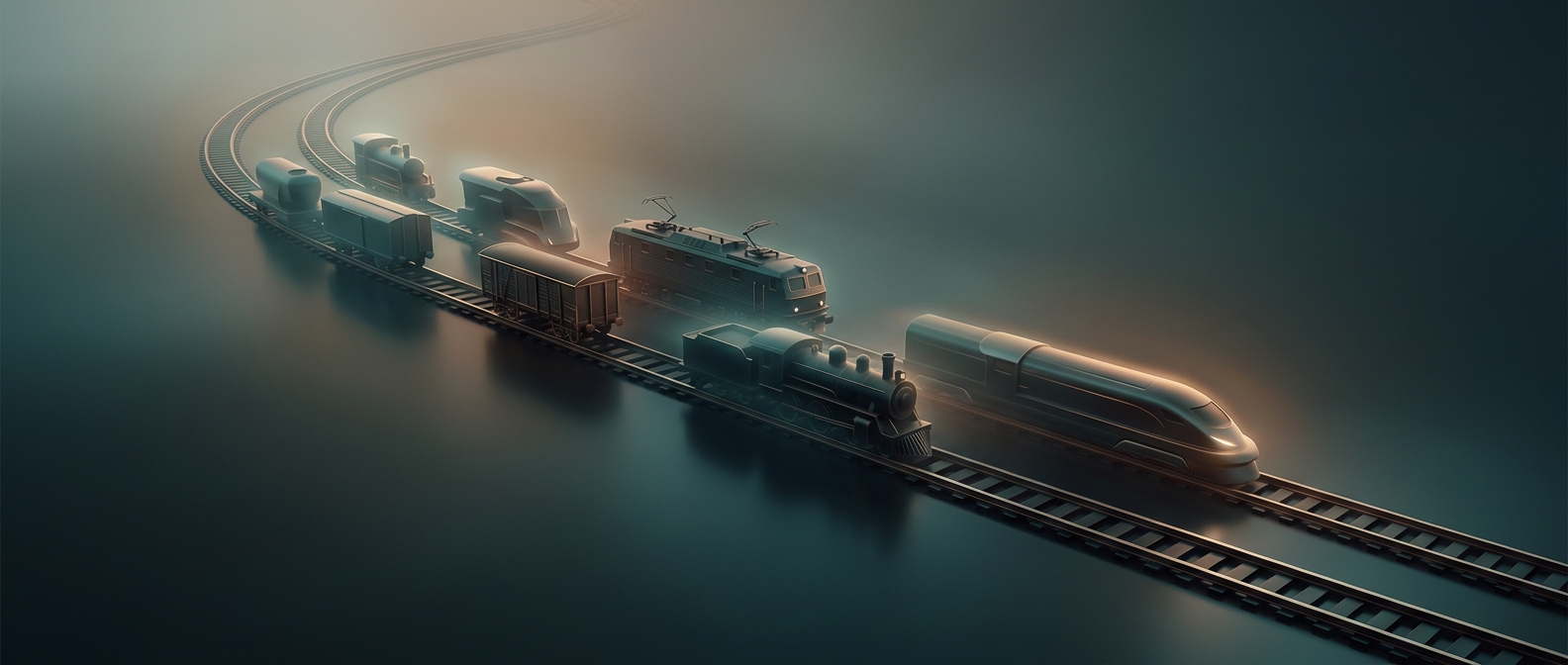
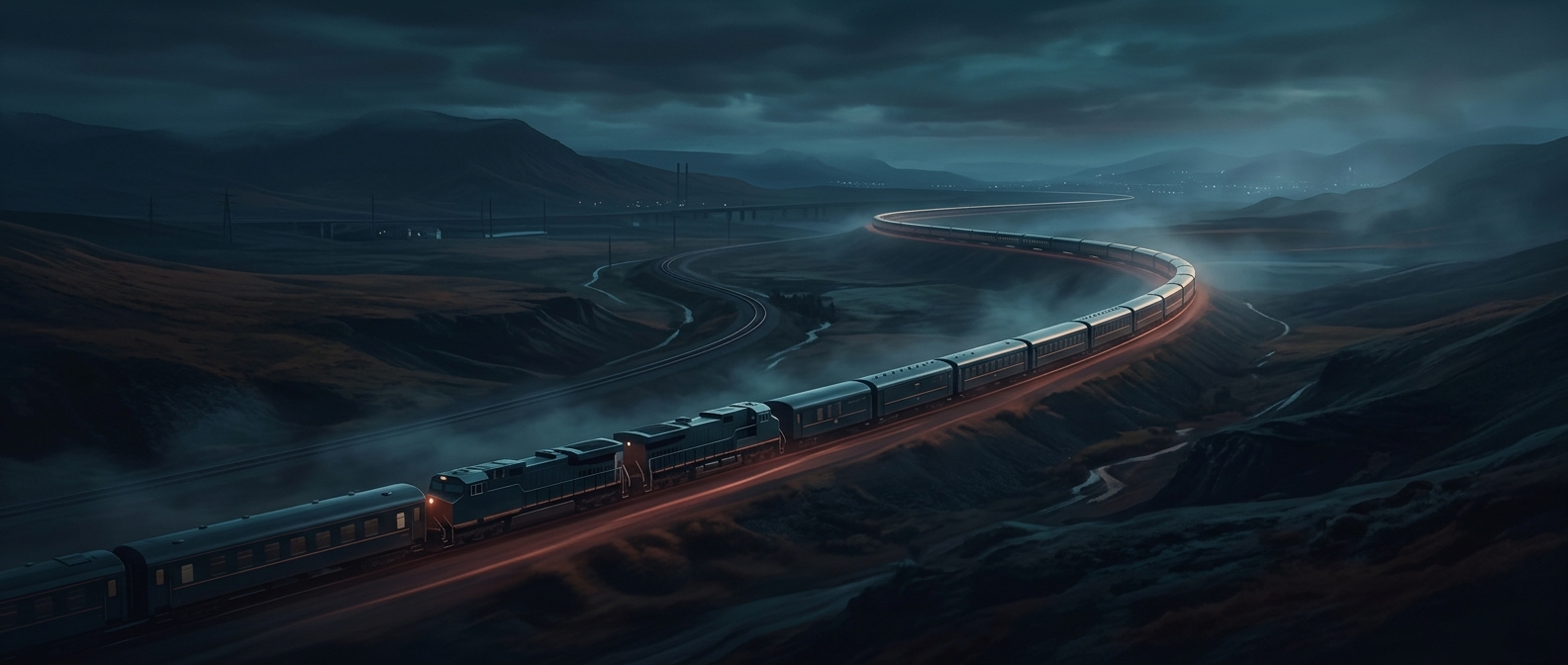
A train is assembled from separate vehicles, but once they are coupled, the linked group is called a consist. Couplers join each car to the next, while air hoses connect the cars’ braking systems. That shared brake line lets the locomotive’s crew apply the brakes along the length of the train rather than stopping each car independently.
The Order Shapes the Work
A consist is more than a collection of cars: its order determines how the train can be handled. Cars may need to be arranged so deliveries can be made in sequence, or grouped to make switching—moving cars between tracks or trains—more efficient. Locomotives can be placed at the front, and sometimes elsewhere in the consist, depending on the railroad’s operating needs.
Before departure, crews and railroad staff must know which cars are in the train and how they are arranged. That information helps them coordinate movement, confirm that cars are connected, and plan where the train can stop or be divided. The consist may change at a yard as cars are added, removed, or rearranged.
One Unit, Many Moving Parts
Calling the lineup one train reflects how it is operated: its vehicles move together under a shared plan, even though each car remains a separate piece of equipment. The practical consequence is that a change to one car—such as a pickup or delivery—can require reshuffling part of the consist, while the rest of the train continues as a coordinated unit.