Surprise as a filmmaking tool
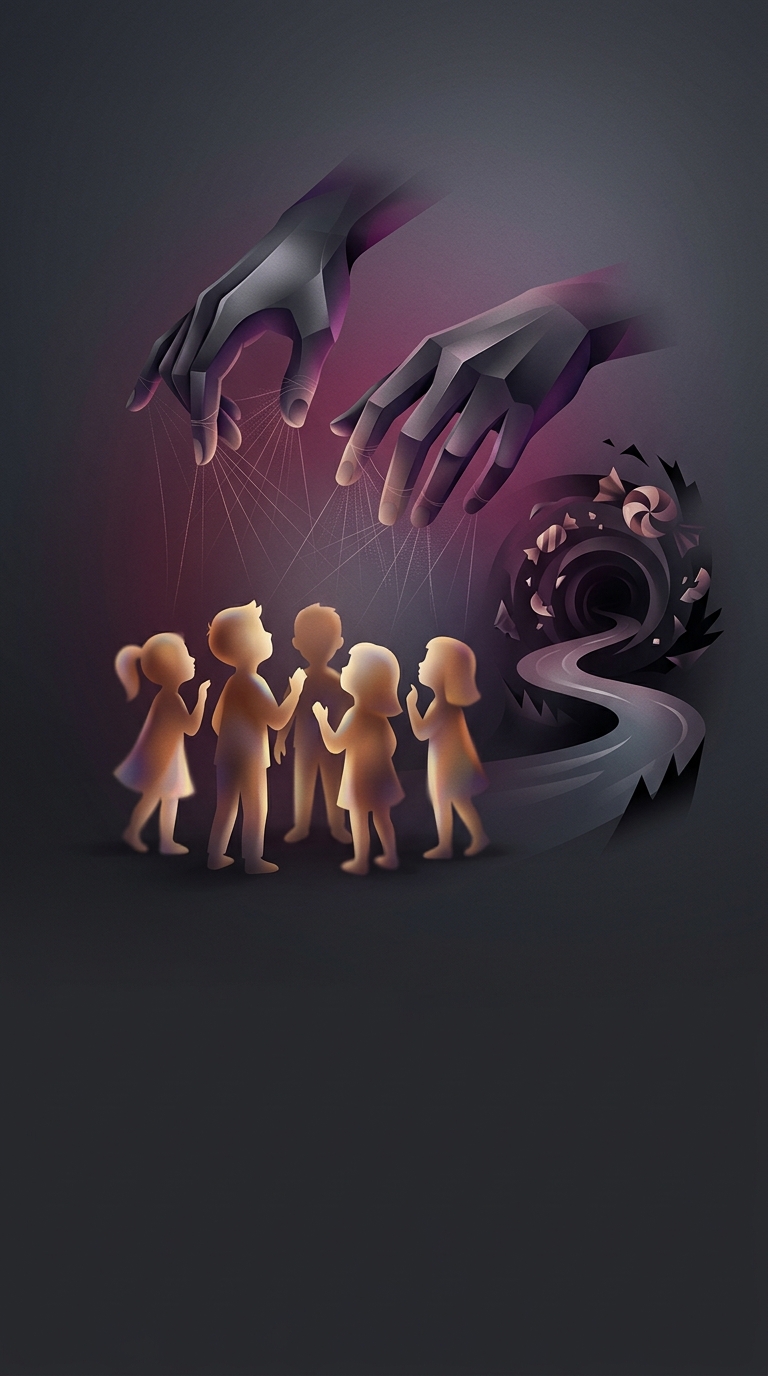
The chocolate room and the boat ride work because they give the children—and the audience—two sharply different kinds of spectacle. One is an inviting fantasy: bright color, oversized sweets and a chocolate river. The other turns that same world unsettling, with darkness, strange projected images and Willy Wonka’s sudden, unnerving recitation.
Keeping parts of a set or scene unfamiliar to young performers can help a first reaction feel spontaneous. But that does not mean every look of amazement or fear was captured without direction. A film’s apparent surprise is shaped by where actors stand, what the camera shows, how scenes are edited and what music and sound are added later.
How the boat ride creates unease
The tunnel’s effect depends on a deliberate shift in mood. The boat carries the children into a confined, dark space; flashing images and Wilder’s increasingly intense performance make the journey feel unpredictable. The scene gives viewers little time to settle on a clear explanation of what they are seeing, so the uncertainty becomes part of the scare.
That tension is also why the sequence remains striking within a candy-colored fantasy. The children’s alarm on screen need not mean they believed they were in mortal danger: acting, staging and post-production can turn a frightening-looking moment into a controlled film scene. The lasting trick is the contrast—an excursion that begins like a wonderland tour and suddenly feels as though the rules of the world have broken down.