Turning astrology into an intelligence question
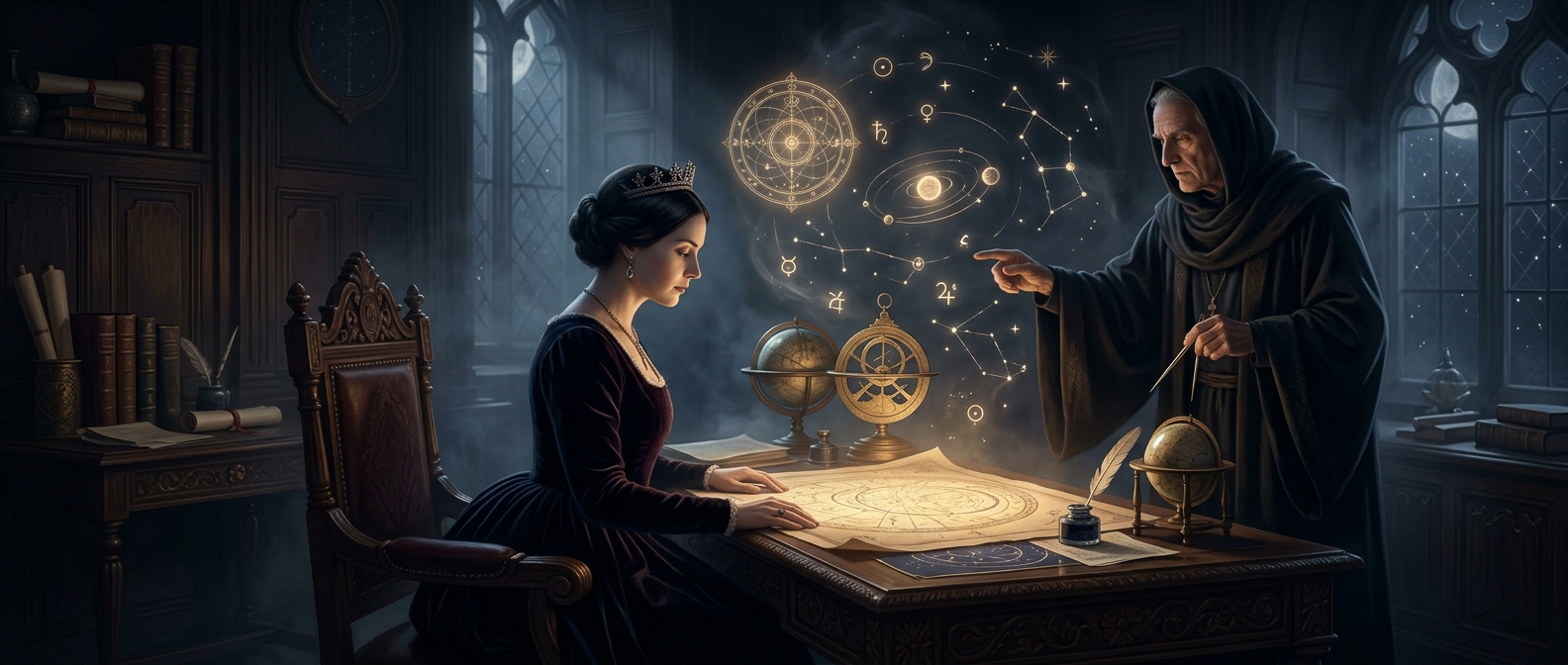
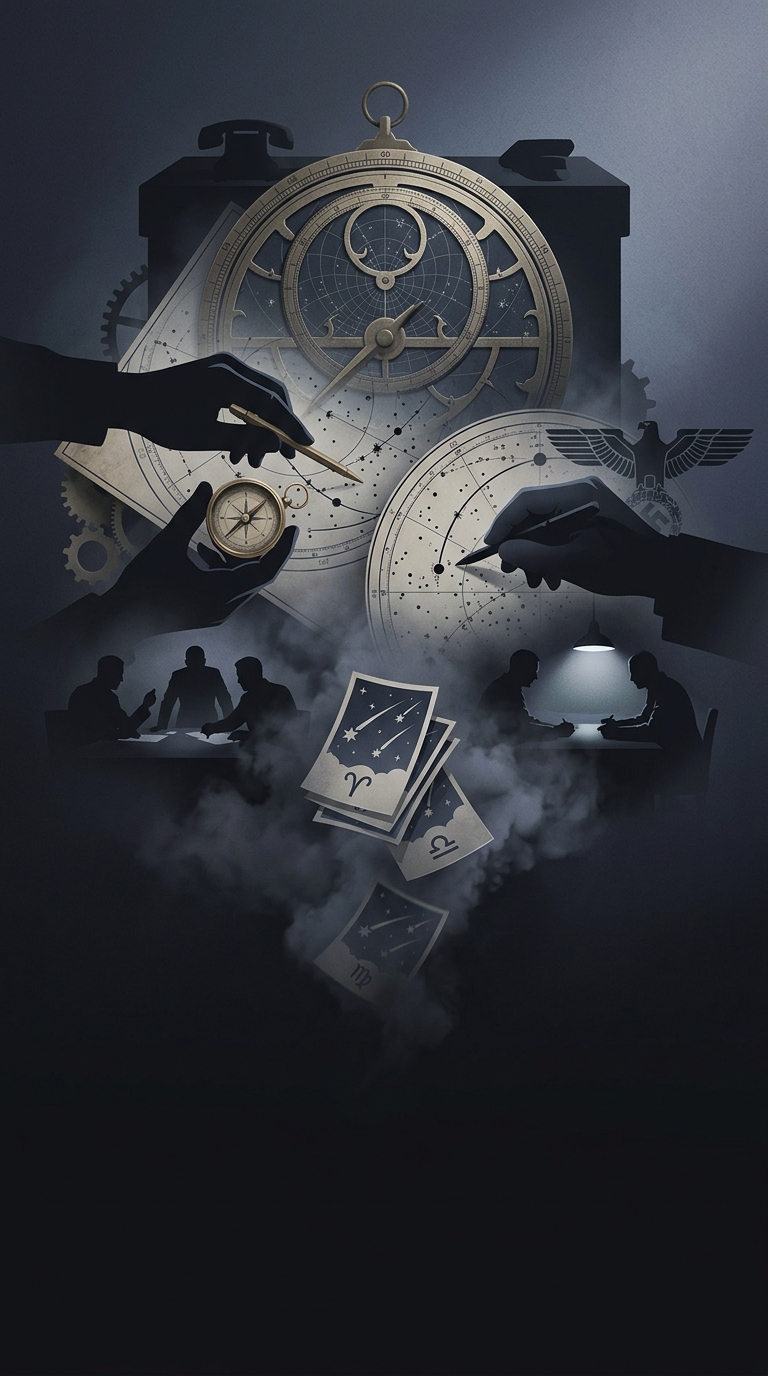
MI5’s interest in Louis de Wohl rested on a practical wartime calculation: if Hitler or people around him took astrological advice seriously, then the predictions circulating in Germany might influence how they interpreted events. De Wohl was asked to work out what Hitler’s astrologers could be telling him—not by reading their private consultations, but by estimating the guidance they might derive from the same astrological conventions and the information available to them.
That distinction mattered. Intelligence officers were not treating astrology as a reliable way to predict the future. They were trying to understand a belief system that might shape an enemy’s expectations or decisions. A forecast that promised disaster, for example, could be useful to propagandists even if it had no factual basis.
Why manufacture horoscopes?
The fake astrological magazines dropped over enemy territory used that logic in reverse. Their predictions were designed as psychological warfare: material intended to affect how people felt and behaved, rather than to damage equipment or win a direct military encounter. Dark forecasts could feed anxiety and make German readers feel that defeat was inevitable or that the regime’s fortunes were turning against it.
Such propaganda depended on reaching people who would take the format seriously, or at least pass it along. Its influence was therefore uncertain; a horoscope could be dismissed, distrusted, or simply ignored. But the tactic shows how wartime intelligence could exploit an opponent’s cultural beliefs without sharing them. The leaflet’s weapon was not a star chart’s accuracy—it was the possibility that a prediction might linger in someone’s mind after the paper was read.