How a Paid-Down Balance Opens Room Again
A revolving credit line works more like a refillable pool than a one-time loan. If your limit is $5,000 and you charge $1,200, roughly $3,800 remains available. As you repay the balance, the amount of available credit rises by the amount credited to your account. You can then use that room for another purchase without applying for a new loan each time.
That reuse is the key difference from an installment loan, such as a car loan. With an installment loan, you borrow a set amount and repay it on a schedule; paying down the balance does not normally let you borrow that same money again. A revolving line stays open for repeated borrowing and repayment, subject to its terms.
Reusable Does Not Mean Cost-Free
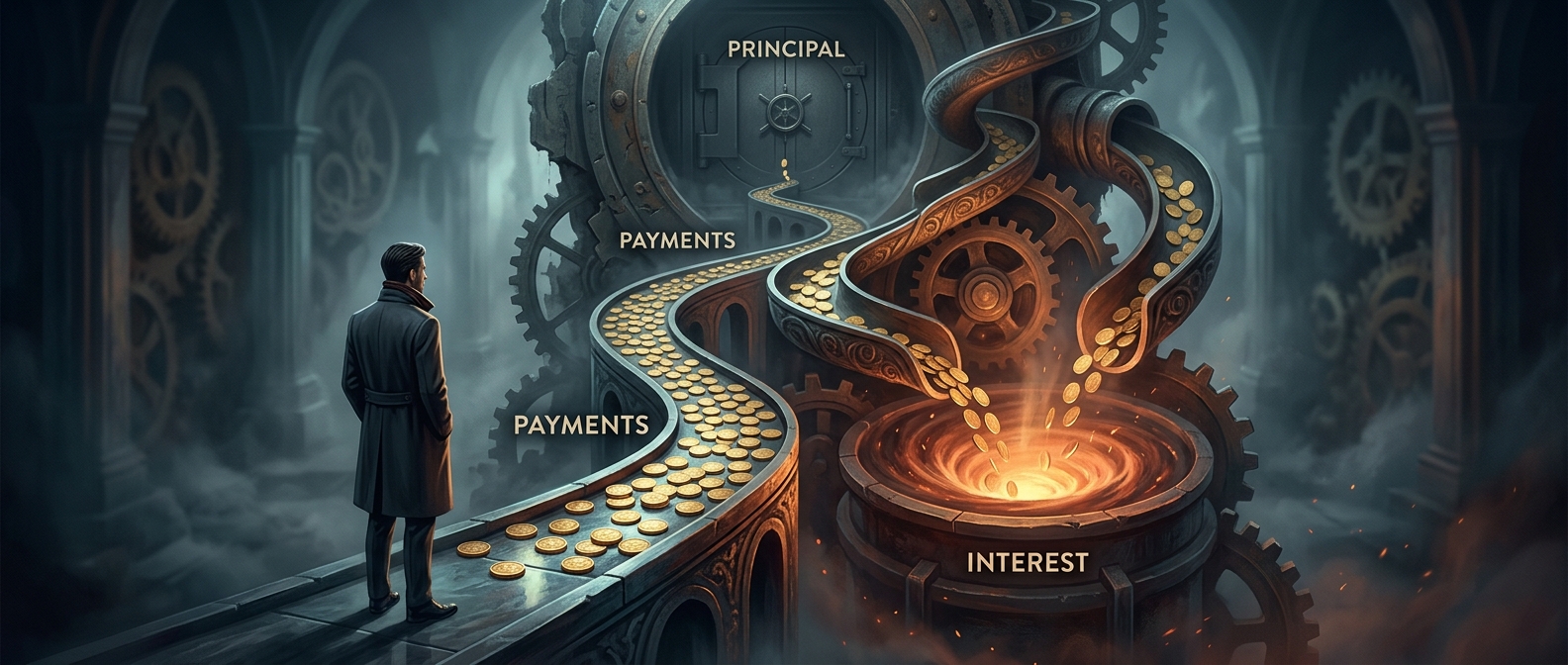
The limit is a ceiling, not a fresh loan granted with each payment. A payment may first cover interest and fees, so only the portion that reduces the balance restores available credit. If you carry a balance, interest can add to what you owe, and new charges can use up the room you just regained.
The cycle can continue while the account remains open and in good standing, but the lender may set conditions, change the limit, or suspend access under the agreement. In practice, a credit card is the familiar example: repay some of the balance, and that credit can be used again. The same dollars of credit can support many rounds of borrowing—but the balance, costs, and available limit still have to be managed.