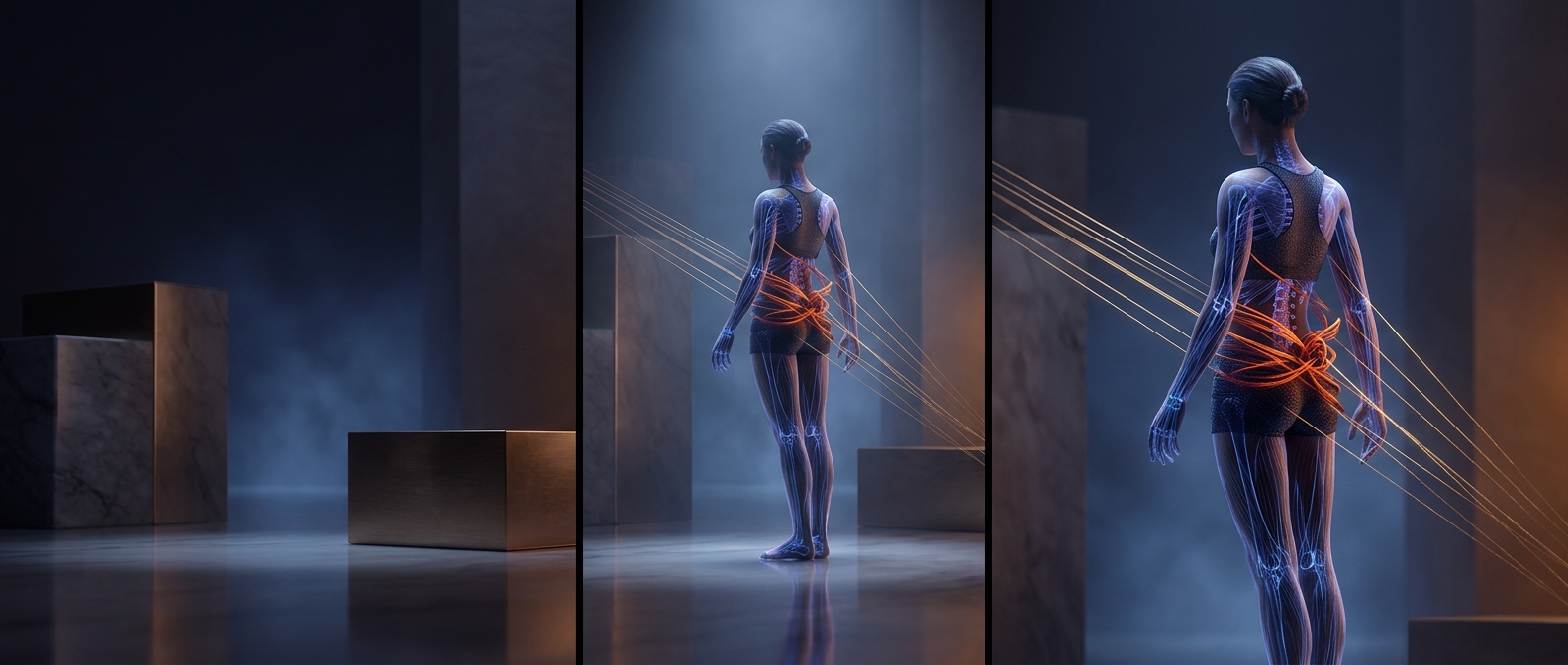
How a steady sway can ease the transition to sleep
Rocking does not switch sleep on like a light. Instead, its repeated, predictable motion gives the brain a simple sensory pattern to process while the body is settling down. Signals about movement travel from the inner ear—the balance system—to brain networks that also help regulate alertness and sleep.
A gentle rhythm may encourage sleep-related brain activity to become more coordinated. In studies of adults, rocking has been associated with faster sleep onset and changes in the brain’s slow electrical rhythms during sleep. Those findings offer a plausible explanation for why motion can feel soothing, but they do not mean rocking will work for everyone or replace the body’s usual sleep cues.
Why the pace matters
The useful feature is the motion’s regularity, not force. A slow, even sway is easy to anticipate; abrupt or vigorous movement can be stimulating instead. Repetition may also give attention something uncomplicated to settle on, making it easier to disengage from the shifting thoughts and sensations that keep a person alert.
That is why rocking chairs and gently moving beds can feel calming even to adults who have long outgrown being rocked to sleep. The effect is best understood as a nudge: a steady external rhythm that may help the brain move from active wakefulness toward sleep, rather than a guaranteed way to fall asleep.