How the colon reclaims fluid
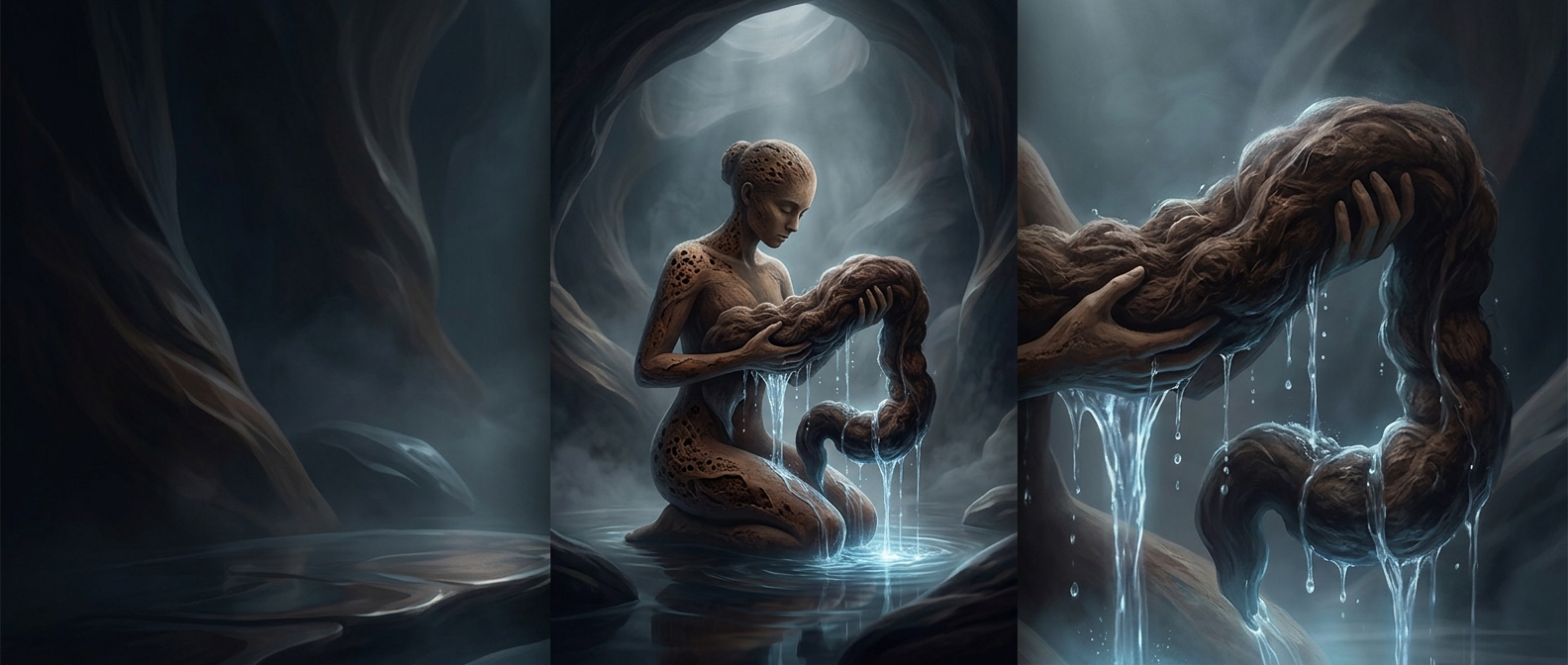
The large intestine’s inner lining is built to move water and dissolved salts from the gut’s contents into the body. Cells in that lining absorb sodium; water follows the salt across the tissue by osmosis, the movement of water toward a more concentrated solution. The reclaimed fluid then joins the body’s circulation.
This is a finishing step in digestion, not an attempt to dry waste completely. The colon also contains mucus and a dense community of microbes, and the remaining material still holds water as it is compacted into stool.
Why transit time changes stool
The longer material stays in the colon, the more opportunity there is for water to be absorbed. If it moves through unusually quickly, less water is reclaimed and stool can remain loose. If movement is slow, more water may be removed, leaving stool harder and more difficult to pass.
That balance makes the colon a working part of fluid management as well as waste processing. Its final adjustment helps determine whether what leaves the body is soft enough to pass comfortably but firm enough to hold its shape.