The “glass” is often a breakaway plastic
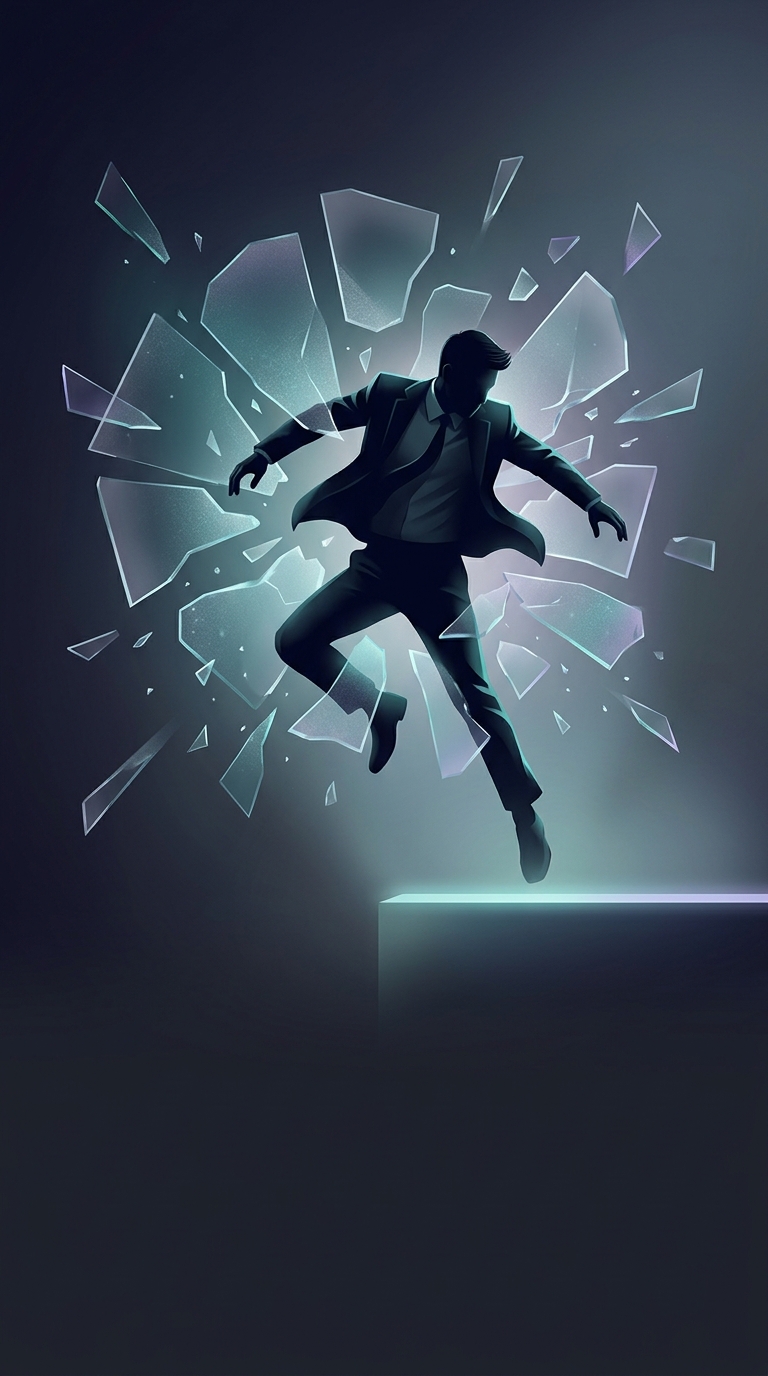
For a stunt in which a performer crashes through a window, the pane is usually a breakaway prop rather than ordinary household glass. Many modern versions are made from a brittle plastic resin designed to crack or fragment under impact with much less danger than real glass. The material is chosen to look convincing on camera while reducing the risk of sharp, heavy shards.
Sugar glass is another familiar option. Made from sugar-based ingredients, it can look like glass and break easily, but it is not the only material used today. The exact choice depends on the shot: how the pane needs to break, how close the camera will be, and how the stunt can be performed safely.
The break is planned, not improvised
A stunt window is part of a controlled setup. The pane, its frame, the performer’s path, and the landing area are coordinated so the actor hits the intended section and avoids dangerous edges. A breakaway pane is not automatically harmless; even softer fragments can injure someone, so crews still manage the impact and clear the area afterward.
That is why a pane that looks like a solid sheet of glass on screen may be made from a material engineered to fail on cue. The realism comes from the camera and the carefully staged break—not from asking an actor to take the risks of smashing through an ordinary window.