Why a stunt double might wear an awkward wig
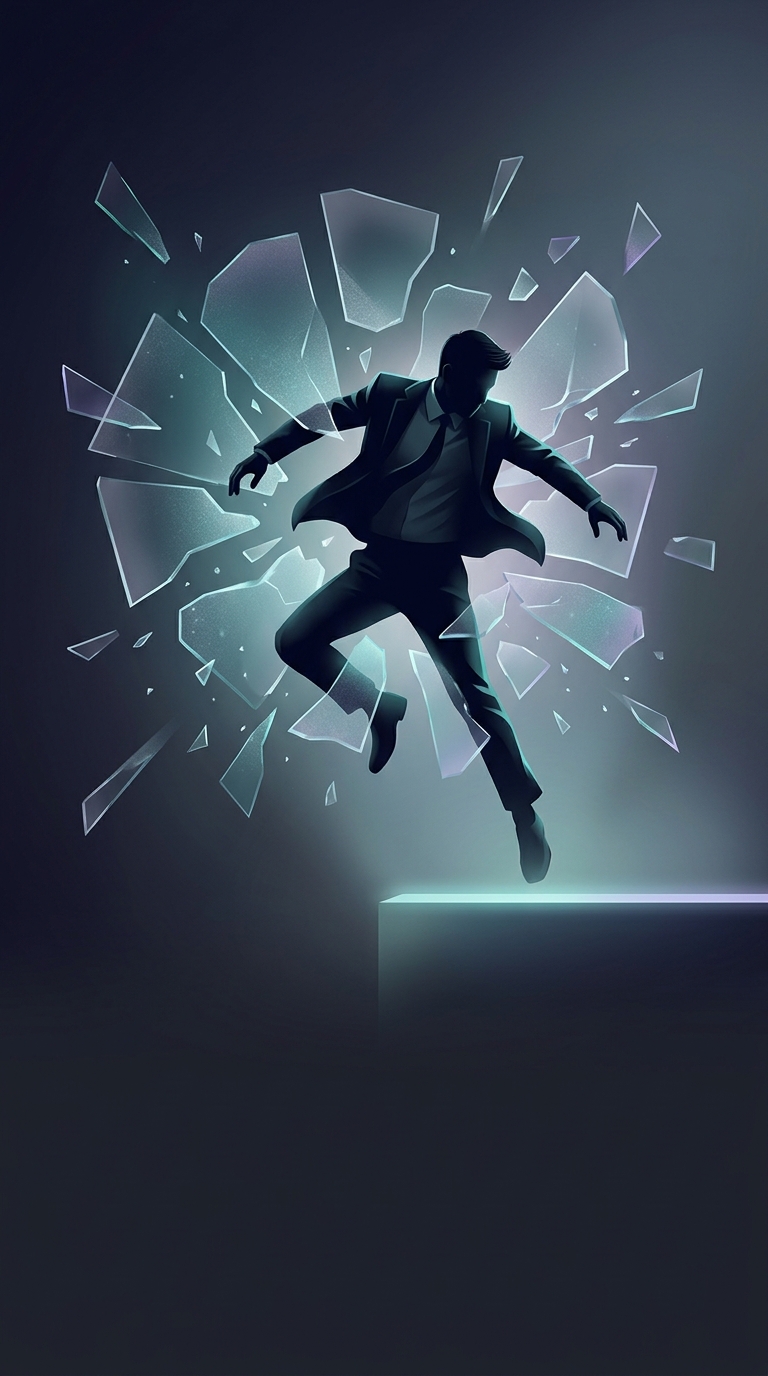
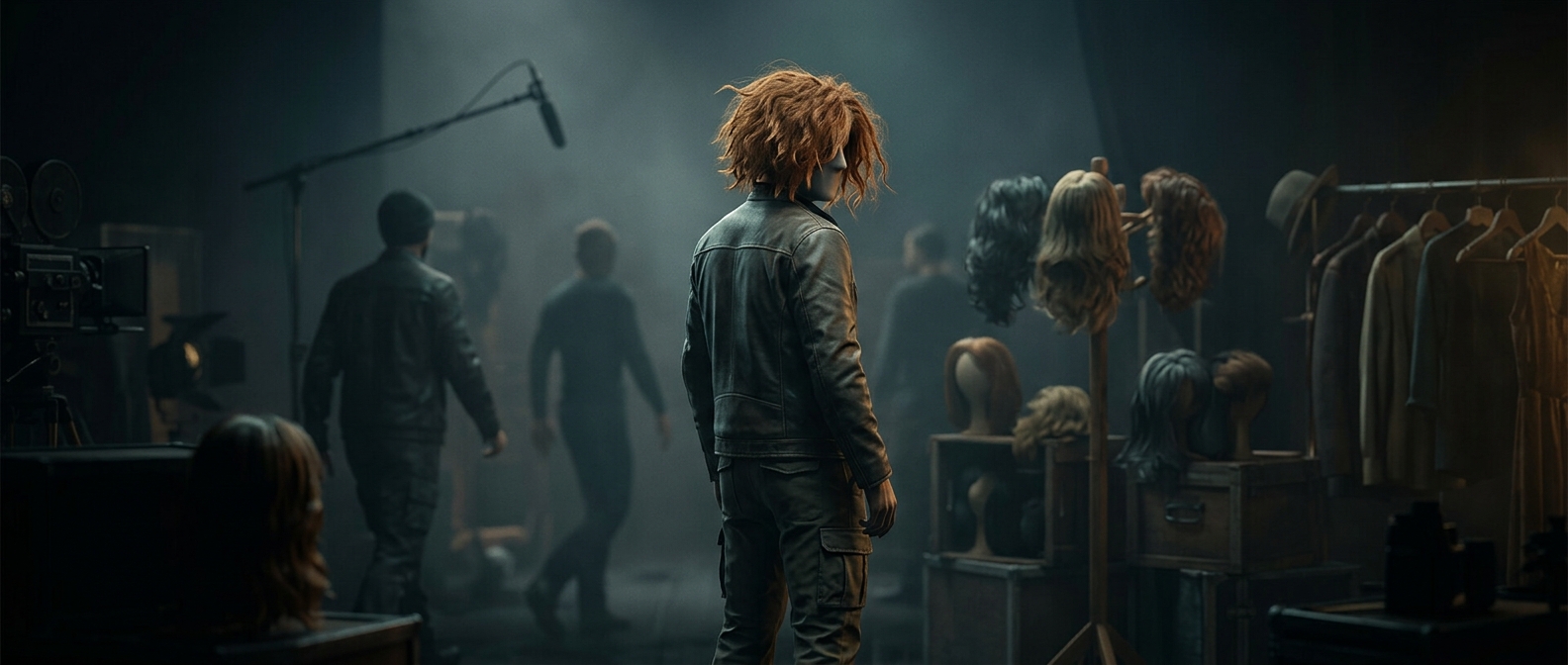
In a dangerous shot, the person tumbling through a window may be a trained stunt performer rather than the actor the audience thinks they see. A wig helps make the performer’s silhouette and hair color match the character’s, especially when the shot is brief or filmed from a distance. It does not have to look convincing in a close-up; it has to work for the camera angle that will actually appear on screen.
The disguise can be deliberately approximate. A stunt double is chosen partly for a similar build or movement, but may not have the actor’s face. Hair, clothing, and framing help bridge that difference. A fast cut, a turned head, or glass and motion in the foreground can make the swap hard to notice. A bulky or ill-fitting wig may be a practical compromise: it needs to stay put through a fall, and the shot may never linger on it.
The fall is planned; the illusion is assembled
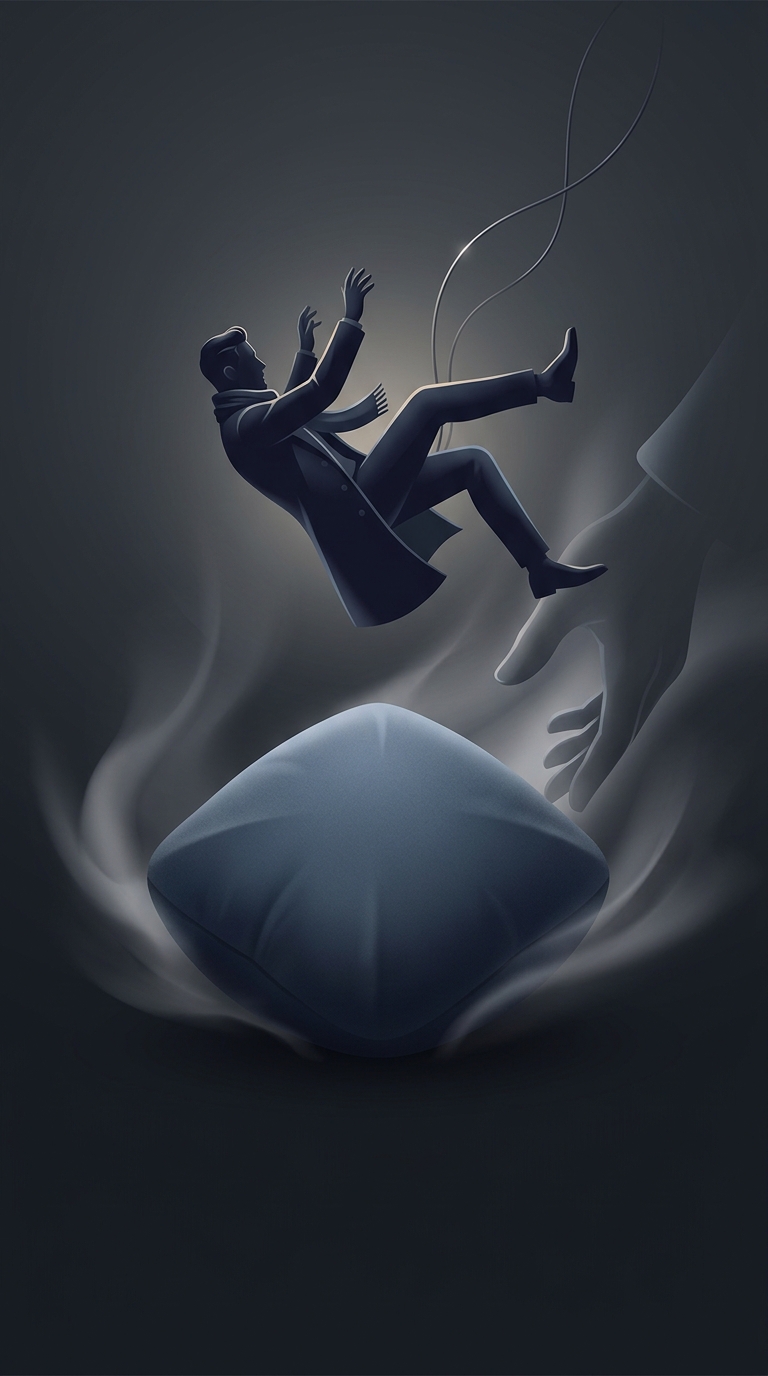
A window stunt is not simply an actor or performer launching themselves at ordinary glass. The breakaway materials, landing area, movement, and camera position are coordinated so the action can look violent while reducing the risks. The performer rehearses the movement, and the crew captures it from an angle that sells the impact without exposing the setup.
That division of labor is the point: the star can remain ready for the close-ups and dialogue while the stunt performer handles the hazardous movement. The wig is one small piece of visual continuity, not a disguise meant to fool everyone on set. Its success is measured by whether viewers follow the action—not whether the hair would pass inspection from a few feet away.