The Count That Changed the Shot
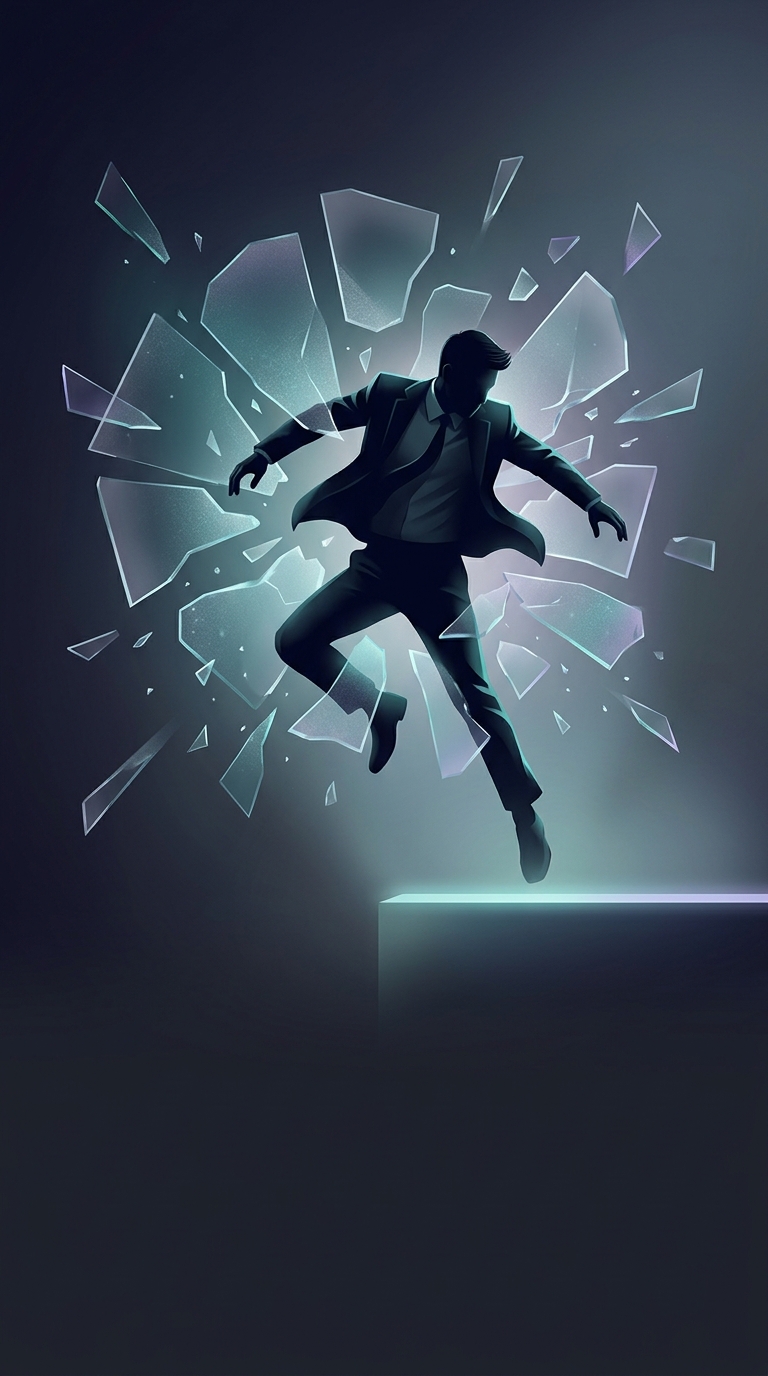
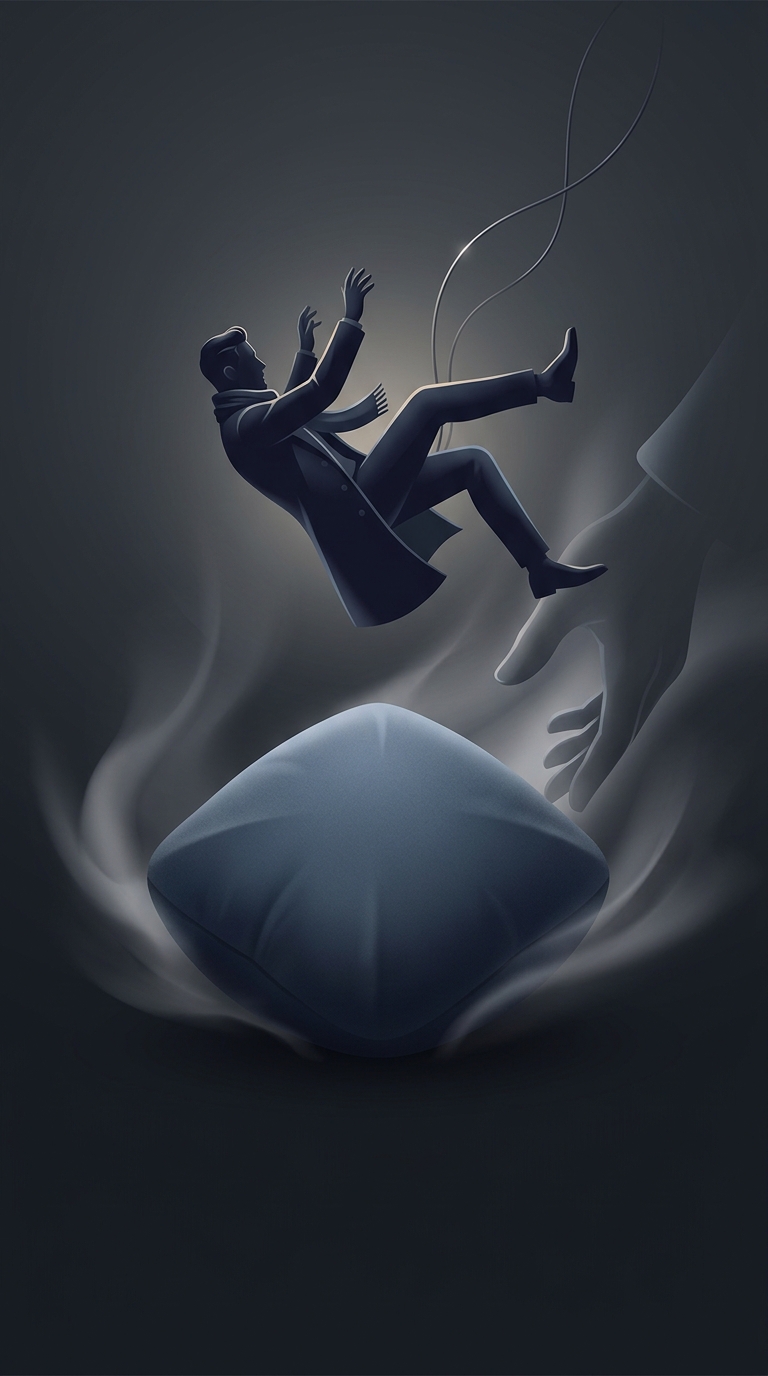
For Hans Gruber’s fall from Nakatomi Plaza, the crew needed more than a convincing descent: they wanted Alan Rickman’s face to register the instant the ground seemed to vanish beneath him. The stunt was arranged over an airbag, but Rickman was told the release would come on a count of three. Instead, the crew let him go on one.
That small deception made the reaction difficult to perform in advance. Rickman’s eyes widen and his expression shifts abruptly as he drops, giving the shot an involuntary quality that a carefully timed, rehearsed grimace might not have had. The camera captures the surprise during the fall, while the airbag provides the practical landing below.
Why the Surprise Works
Movie actors can imitate fear, but audiences are quick to notice when a reaction looks posed. Here, the camera records a genuine response to an unexpected cue, then places it inside a controlled stunt. The distinction matters: Rickman was not falling without a safety measure; the crew used the airbag to manage the physical risk while surprising him about the timing.
The result gives Gruber’s death its unnerving, almost comic snap. A polished villain loses control in a fraction of a second, and the audience sees the change happen on Rickman’s face. The memorable effect came not from a complex digital trick, but from carefully staging the fall—and withholding the count Rickman expected.